
The short answer
EliteSweep repairs masonry, crowns, flashing, caps, dampers and flue liners on Homecrest homes and apartment buildings. We start with an inspection to find the cause, then explain your repair options before any work begins.
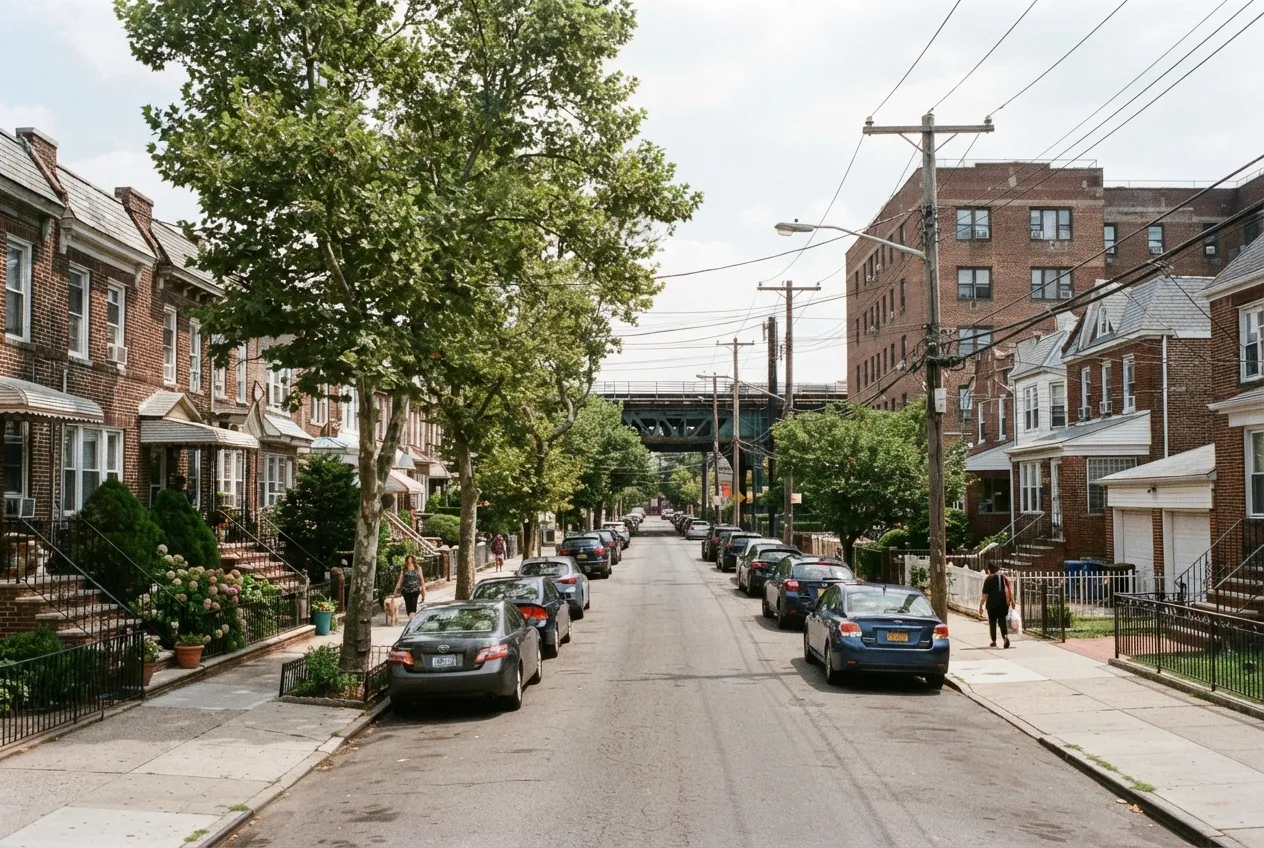
Homecrest has a mix of attached rowhouses, semi-detached and detached homes, and pre-war apartment buildings, and many of their chimneys have taken decades of freeze-thaw cycles, coastal wind, and steady heating use. EliteSweep Chimney Services repairs chimneys for Homecrest homeowners and building owners from our office in Madison, about 2 miles northeast. Our certified technicians find out what is actually wrong, explain it in plain terms, and fix the problem so your chimney vents safely and keeps water out of your walls and ceilings.
Chimney Problems We See in Homecrest Homes
Most chimney damage in this part of Brooklyn starts with water. Brick and mortar absorb rain and melting snow, and when that moisture freezes in winter it expands and breaks the masonry apart from the inside. Over time, joints open up, bricks flake, and the concrete crown on top of the chimney cracks. Water then finds its way into the flue, the attic, or the walls next to the chimney.
On attached rowhouses, chimneys often share a party wall or sit close to a neighbor's roofline, so a leak can show up in a spot that seems unrelated to the chimney. In older apartment buildings, the chimney usually serves a boiler that runs for months at a time, which puts steady wear on the flue lining. These are the warning signs worth calling about:
- Water stains on ceilings or walls near the chimney
- Crumbling mortar joints or bricks with flaking faces
- White, chalky residue on the brick exterior
- Pieces of tile or masonry falling into the firebox or cleanout
- Rust on the damper, firebox, or chimney cap
- Smoke or odors entering the room when the fireplace or boiler runs
- A cracked or missing crown, or a cap that has come loose
What Our Chimney Repair Work Covers
Every repair begins with an inspection so we fix the cause, not just the symptom. A chimney that leaks may need new flashing rather than new brick, and a smoky fireplace may have a damper or flue problem rather than a draft issue. Once we know what is going on, we walk you through what needs attention now and what can wait.
Typical repairs on Homecrest chimneys include:
- Repointing: grinding out failed mortar and packing in fresh mortar
- Rebuilding chimney tops where bricks have loosened or shifted
- Crown repair or replacement to shed water away from the flue
- Flashing repair where the chimney meets the roof
- Installing or replacing chimney caps to keep out rain, birds, and debris
- Damper repair or replacement, including top-mounted dampers
- Flue liner repair and new liner installation
- Firebox repair, including damaged firebrick and joints
Boiler Conversions and Flue Liners
Many buildings in and around Homecrest have switched, or are planning to switch, from oil heat to natural gas. When a New York City building converts its boiler from oil to gas, the chimney has to be evaluated as part of the job. A new liner is often needed, because gas exhaust produces acidic condensate that can corrode a masonry flue that was built for oil.
If your building is converting, or has already converted and you are not sure the chimney was addressed, we can evaluate the flue and tell you whether it can stay as is or needs a liner sized for the new equipment. Getting this right protects the masonry and helps the boiler vent the way it should.
When to Schedule Chimney Repair
The NFPA 211 standard calls for chimneys, fireplaces, and vents to be inspected once a year. A Level 1 inspection fits a chimney where nothing has changed. A Level 2 inspection applies when something does change, such as a new appliance or a switch of fuel, or when the home is being sold. A Level 3 inspection is used when a hidden hazard can only be reached by opening part of the chimney or building.
Timing matters in New York City. The city's heat season runs from October 1 through May 31, and building owners must keep apartments heated to the city's minimum temperatures during those months. A failing chimney can force a boiler shutdown at exactly the wrong time. Late spring and summer are good windows for masonry and liner work, so the system is ready before heat season starts. Leaks, falling debris, or smoke in living spaces should be looked at right away, whatever the season.
Serving Homecrest and Nearby Brooklyn Neighborhoods
Because our office is in Madison, Homecrest is close by, and we work throughout this part of southern Brooklyn. Along with Homecrest and Madison, we repair chimneys in Gravesend, Midwood, Mapleton, and Sheepshead Bay. Whether you own a single-family house, a two-family rowhouse, or a multi-unit building, we will give you a clear explanation of the problem and the repair options before any work starts.
More services in Homecrest
- Chimney Sweep in HomecrestLocal service & repairs
- Chimney Inspection in HomecrestLocal service & repairs
- Air Duct Cleaning in HomecrestLocal service & repairs
- Chimney Liner Installation in HomecrestLocal service & repairs