
The short answer
Homecrest homeowners should have their chimney inspected once a year, as the NFPA 211 standard calls for, and ideally before heat season starts on October 1. EliteSweep's certified technicians perform Level 1, 2 and 3 inspections depending on your chimney's history, any changes to your heating system, and what the first look reveals.
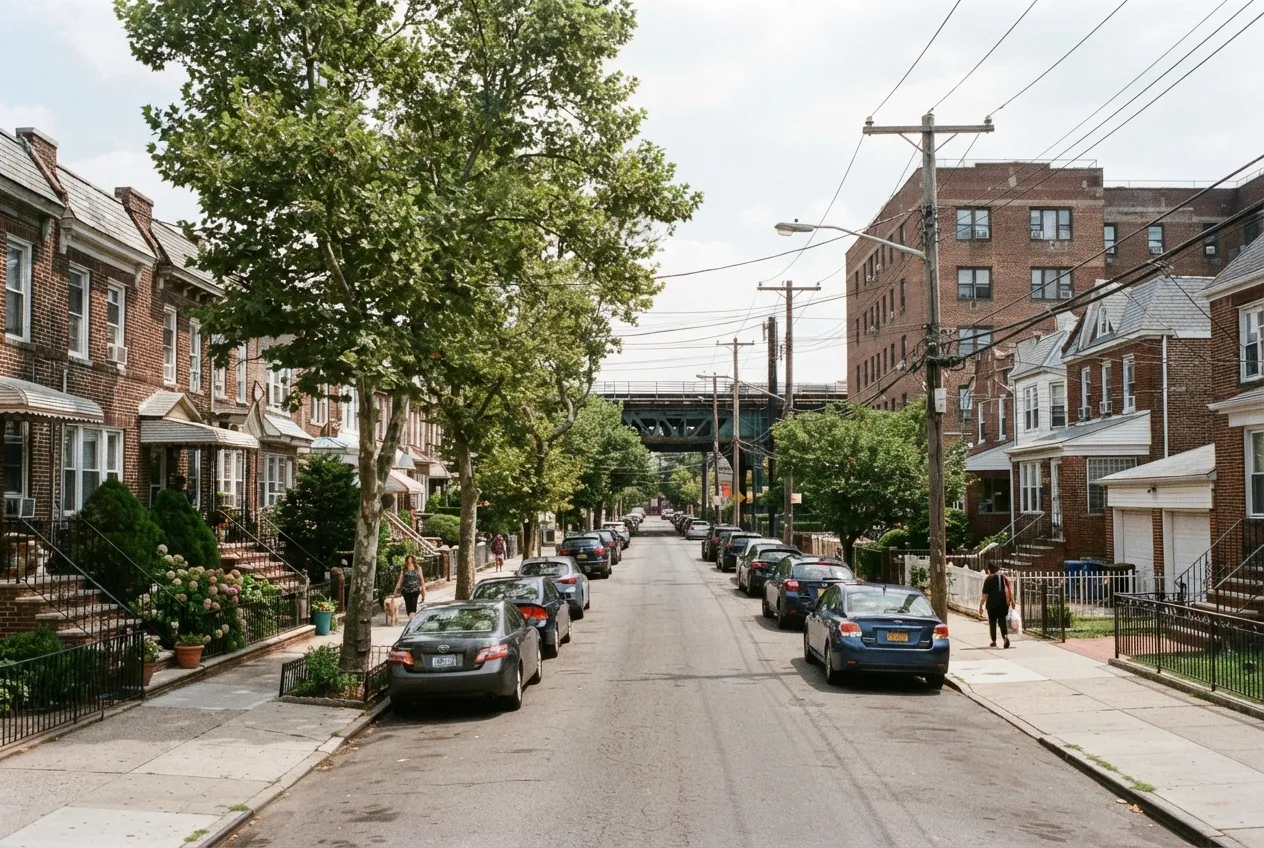
Homecrest is about two miles southwest of our Madison, Brooklyn office, so getting a technician to your home for a chimney inspection is a short trip. You might live in an attached rowhouse, a detached frame house, or a pre-war apartment building with a shared boiler flue. In any of these, an inspection tells you whether your chimney is safe to use and what needs attention. Our certified technicians check the flue, liner, masonry, cap and connections. Then they explain what they found in plain terms before recommending any work.
Why a Yearly Chimney Inspection Matters in Homecrest
The NFPA 211 standard calls for chimneys, fireplaces and vents to be inspected once a year. That applies whether you burn wood in a fireplace a few times each winter or your chimney only vents a gas boiler or water heater. These chimneys work hard all season. Problems such as a cracked liner, a blocked flue or loose mortar are rarely visible from the street or the living room.
Timing matters here. New York City's heat season runs from October 1 through May 31. During that period, building owners must keep apartments heated to the city's minimum temperatures. If you own a multi-family house or a small apartment building, schedule the inspection before October. That leaves time to handle repairs without leaving tenants short on heat.
The Three Levels of Chimney Inspection
Chimney professionals use three levels of inspection. We'll tell you which one fits your situation and why.
- Level 1: For a chimney in regular use with no changes. We check the accessible parts of the chimney, the flue and the appliance connection for soundness, obstructions and buildup.
- Level 2: Needed when something changes, such as a new boiler or stove, a switch of fuel, or the sale of the home. It's a more thorough look, typically including a camera run through the flue.
- Level 3: Used when a hidden hazard has to be reached by opening part of the chimney or the building. We only recommend this when earlier findings point to a real concern.
Oil-to-Gas Conversions and Your Chimney
Many older Brooklyn homes and apartment buildings originally heated with oil. When a New York City building converts its boiler from oil to gas, the chimney has to be evaluated as part of the work. A new liner is often needed, because gas exhaust produces acidic condensate that can corrode a masonry flue over time.
Maybe you're planning a conversion, or one was done and you aren't sure anyone checked the chimney. Either way, a Level 2 inspection shows you the flue's condition and whether relining makes sense. Older oil-burning flues can also hold soot and scale that should be cleaned out before a gas appliance is connected.
What We Check During the Inspection
Housing in Homecrest ranges from brick rowhouses to detached homes and pre-war apartment buildings, and each has its own common chimney issues. During an inspection, we look for:
- Creosote and soot buildup in wood-burning flues
- Cracks, gaps or deterioration in clay tile or metal liners
- Spalling brick and missing or crumbling mortar joints
- Damaged or missing chimney caps and crowns that let water and animals in
- Blockages from nests, debris or fallen tile pieces
- Loose or rusted connector pipes between the appliance and the chimney
- Signs of water leaks around flashing and on top-floor ceilings
After the Inspection
When the inspection is done, we walk you through the findings and show you photos or camera footage where we have them. If the chimney is in good shape, you'll know it's ready for the season. If it needs cleaning or repair, we'll tell you what's urgent, what can wait, and what the work involves. Then you can decide on your own timeline.
To book, tell us what type of home you have, what the chimney vents, and when it was last inspected. We'll schedule a visit that fits. We also serve nearby Gravesend, Madison, Midwood, Mapleton and Sheepshead Bay. If you're coordinating with neighbors or managing more than one property in the area, we can plan the visits together.
More services in Homecrest
- Chimney Sweep in HomecrestLocal service & repairs
- Chimney Repair in HomecrestLocal service & repairs
- Air Duct Cleaning in HomecrestLocal service & repairs
- Chimney Liner Installation in HomecrestLocal service & repairs