
The short answer
Dyker Heights homes often need a new chimney liner when the original masonry flue is cracked, deteriorated, or no longer matched to the appliance venting through it, especially after an oil-to-gas boiler conversion. EliteSweep's certified technicians inspect the flue, recommend a liner suited to your appliance and chimney, and install it so exhaust leaves your home safely.
A chimney liner is the protective channel inside the flue that carries smoke and exhaust safely out of your home. In Dyker Heights, many houses still rely on their original masonry flues, and those flues often weren't built for the boilers, water heaters and fireplaces people use today. EliteSweep Chimney Services installs chimney liners for homeowners in Dyker Heights (ZIP 11228). Our office in Bay Ridge is about a mile away, so we can reach you without a long trip across the borough. Here is what liner work involves, when it's needed, and what to expect.
Why Dyker Heights Chimneys Often Need New Liners
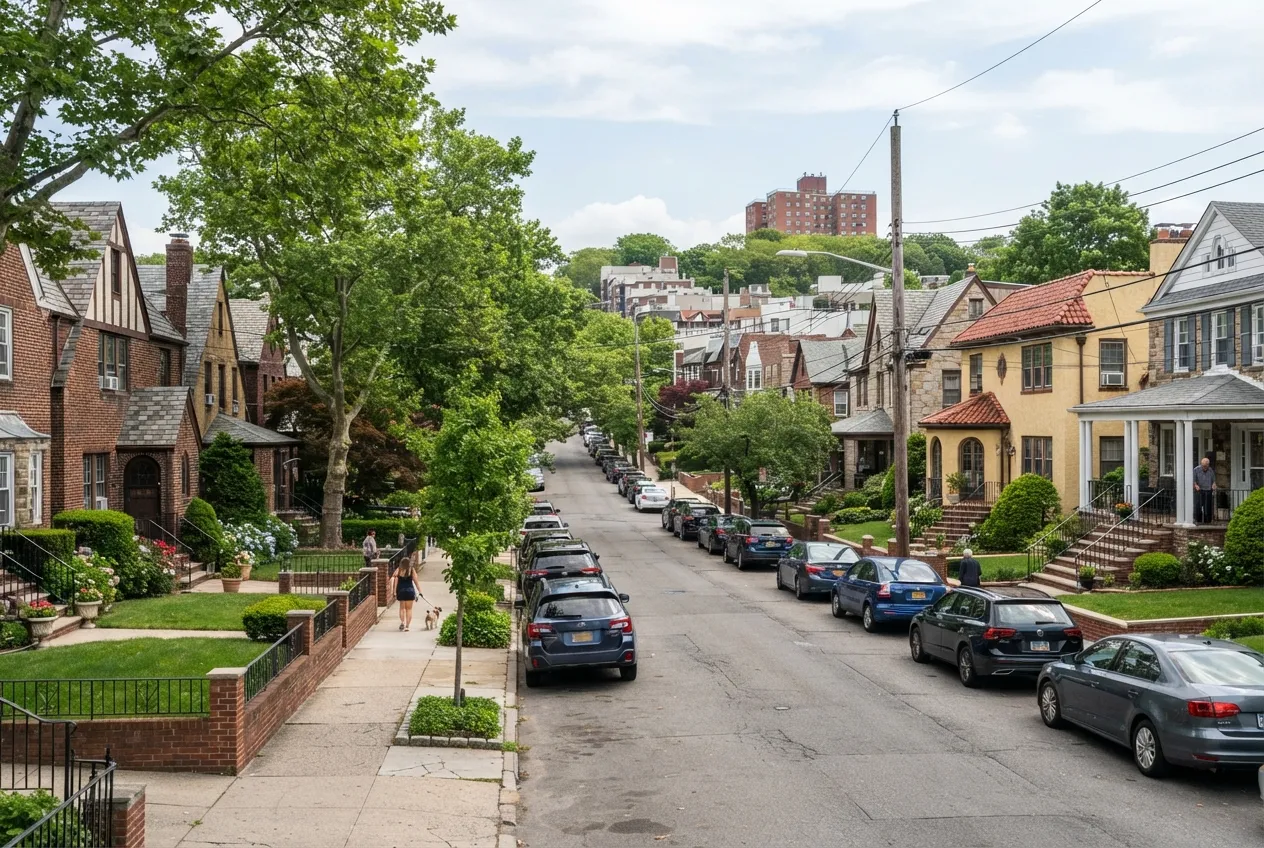
Dyker Heights is mostly detached and semi-detached homes, along with rowhouses and multi-family houses. Many have brick chimneys that have served the house for generations. Over time, clay tile liners crack, mortar joints wear away, and some older chimneys were never lined at all.
A damaged or missing liner lets heat, moisture and combustion gases reach the brick and the framing around it. That can speed up masonry decay, and it can let carbon monoxide or smoke escape into living spaces instead of venting outside.
Oil-to-Gas Conversions and Your Chimney
A lot of liner work in Brooklyn starts with a boiler conversion. When a New York City building converts its boiler from oil to gas, the chimney must be evaluated as part of the job. A new liner is often required, because gas exhaust produces acidic condensate that can corrode an unlined or clay-lined masonry flue.
If you're planning a conversion, bring the chimney into the conversation early. We can inspect the flue and tell you whether a liner is likely, so the chimney work doesn't hold up the heating project.
Signs Your Liner May Need Attention
Some liner problems are only visible with a camera inspection, but a few symptoms are worth a call:
- Pieces of clay tile or crumbling mortar in the fireplace, cleanout door or boiler breech
- Water stains, peeling paint or white staining on walls near the chimney
- Smoke or exhaust odors indoors when the boiler, water heater or fireplace runs
- A recent or planned change of fuel or heating appliance
- Damage noted during a home sale inspection or after a chimney fire
Liner Options We Install
The right liner depends on what's venting through the chimney and the condition of the flue. Stainless steel liners are a common choice for gas and oil appliances and for many wood-burning fireplaces. They're run down the existing flue and sized to the appliance. For chimneys with irregular or badly deteriorated flues, a cast-in-place liner, which forms a new smooth passage inside the masonry, may be a better fit.
We'll explain why we're recommending a specific liner and size. A liner that is too large or too small for the appliance can cause poor draft and condensation problems, so sizing matters as much as the material.
How the Installation Works
Every job starts with an inspection. The NFPA 211 standard calls for chimneys, fireplaces and vents to be inspected once a year, and it describes three inspection levels. A change of fuel or a new appliance calls for a Level 2 inspection, which includes a camera look inside the flue. We use that inspection to measure the flue and check its condition.
On installation day, our certified technicians clean the flue, install and connect the liner, fit a cap to keep out rain and animals, and confirm the appliance connection. We work from the roof and the basement and keep dust contained inside your home. When we're done, we walk you through what was installed and what upkeep it will need.
Timing Around Heat Season
New York City's heat season runs from October 1 through May 31. If you own a multi-family house and rent out units, you must keep apartments heated to the city's minimum temperatures during that period, so boiler venting problems can't wait. Scheduling liner work in late spring or summer gives you the most flexibility. If a problem turns up mid-winter, call us and we'll talk through how to keep your heat running safely while the work is planned.
We also install liners in nearby Bay Ridge, Bensonhurst, Borough Park, Bath Beach and Sunset Park.
More services in Dyker Heights
- Chimney Sweep in Dyker Heights
- Chimney Inspection in Dyker Heights
- Chimney Repair in Dyker Heights
- Air Duct Cleaning in Dyker Heights