
The short answer
Dyker Heights chimneys should be inspected once a year, as the NFPA 211 standard calls for, and the best time is before the boiler or fireplace sees heavy use in the fall. Most homes need a Level 1 inspection. A Level 2 inspection is called for after a home sale, a new appliance, or a switch from oil to gas.
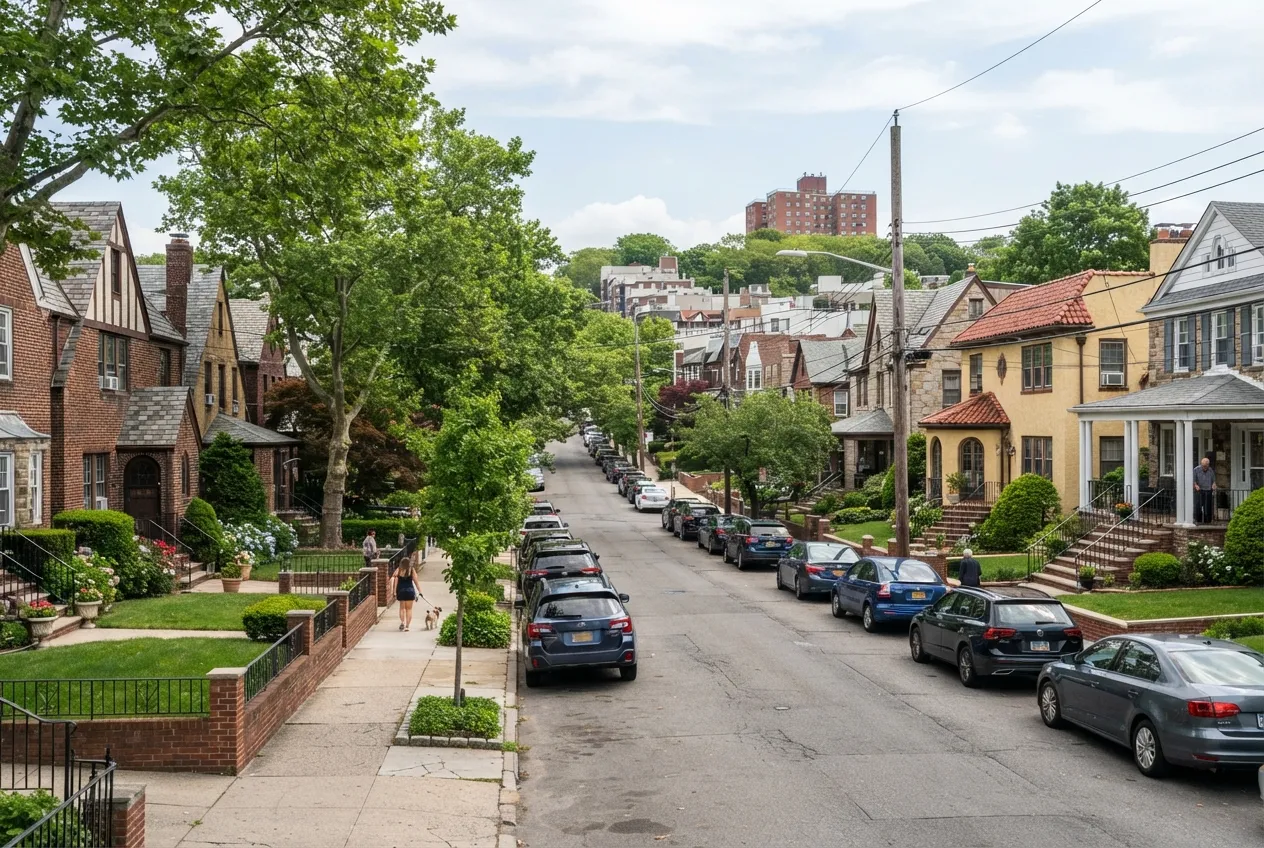
Dyker Heights has large detached houses with wood-burning fireplaces, semi-detached and two-family brick homes, rowhouses, and small apartment buildings heated by gas or oil boilers. Whatever is connected to the chimney, the flue has to carry smoke and exhaust gases safely out of the house. Our certified technicians inspect chimneys throughout ZIP code 11228, working from our Bay Ridge office about a mile away. This page explains what a chimney inspection covers, which inspection level your home likely needs, and when to schedule one.
Why Annual Inspections Matter for Dyker Heights Homes
The NFPA 211 standard calls for chimneys, fireplaces and vents to be inspected once a year. That applies to a fireplace you light a few times each winter and to a boiler flue that runs every day of the cold season.
New York City's heat season runs from October 1 through May 31. During those months, building owners must keep apartments heated to the city's minimum temperatures. In a two-family house or a small apartment building, that means the boiler and its chimney work hard for eight months straight. A blocked or deteriorating flue found in January is harder to deal with than one found in September. That is why we recommend booking your inspection in late summer or early fall.
Detached homes with working fireplaces have their own concerns. Creosote builds up inside the flue with every fire, and older masonry can crack from years of heating and cooling. An inspection finds these problems while they are still small.
Which Inspection Level Does Your Home Need?
Chimney professionals use three inspection levels. The right one depends on what has changed in your home, not on the size of the house.
- Level 1: For chimneys where nothing has changed since the last inspection. We check the readily accessible parts of the chimney, the appliance connection, and the flue for blockages and buildup.
- Level 2: Called for when the system changes, such as a new boiler or water heater or a switch of fuel, or when the home is sold. It is more thorough than Level 1 and usually includes a camera inspection of the flue's interior.
- Level 3: Used when a hidden hazard has to be reached by opening part of the chimney or the building. We only recommend this when a Level 1 or Level 2 inspection points to a problem that cannot be evaluated any other way.
Oil-to-Gas Conversions and Chimney Liners
Many older Brooklyn homes and buildings were originally heated with oil. When a New York City building converts its boiler from oil to gas, the chimney has to be evaluated as part of the work. Gas exhaust produces acidic condensate, and that moisture can corrode a masonry flue that was built for oil. As a result, a new liner is often needed.
If you are planning a conversion, or have already completed one and are not sure the chimney was looked at, a Level 2 inspection will show the condition of the flue and whether the existing liner suits the new appliance.
What We Check During an Inspection
Every inspection is specific to your system, but most cover the following:
- Creosote and soot buildup inside fireplace flues
- Blockages from debris, nests, or fallen masonry
- Condition of the flue liner, including cracks, gaps, and corrosion
- The connection between the boiler or water heater and the chimney
- Chimney crown, cap, and exterior brick and mortar
- Firebox, damper, and smoke chamber on fireplaces
- Signs of water getting into the chimney
What to Expect and Where We Work
Before the visit, please let us know what is connected to the chimney and whether anything has changed recently, such as a new appliance, a fuel switch, or a home purchase. Avoid using the fireplace for a day beforehand so the firebox is cool. After the inspection, we explain what we found in plain terms and tell you whether any cleaning or repair is needed. You decide what happens next.
Besides Dyker Heights, we inspect chimneys in Bay Ridge, Bensonhurst, Borough Park, Bath Beach, and Sunset Park.
More services in Dyker Heights
- Chimney Sweep in Dyker Heights
- Chimney Repair in Dyker Heights
- Air Duct Cleaning in Dyker Heights
- Chimney Liner Installation in Dyker Heights