
The short answer
A Bergen Beach chimney usually needs a new liner when the existing flue is damaged, when a boiler is converted from oil to gas, or when a new appliance doesn't match the old flue size. EliteSweep inspects the chimney, sizes a liner to the appliance it will serve, and installs it so exhaust vents safely.
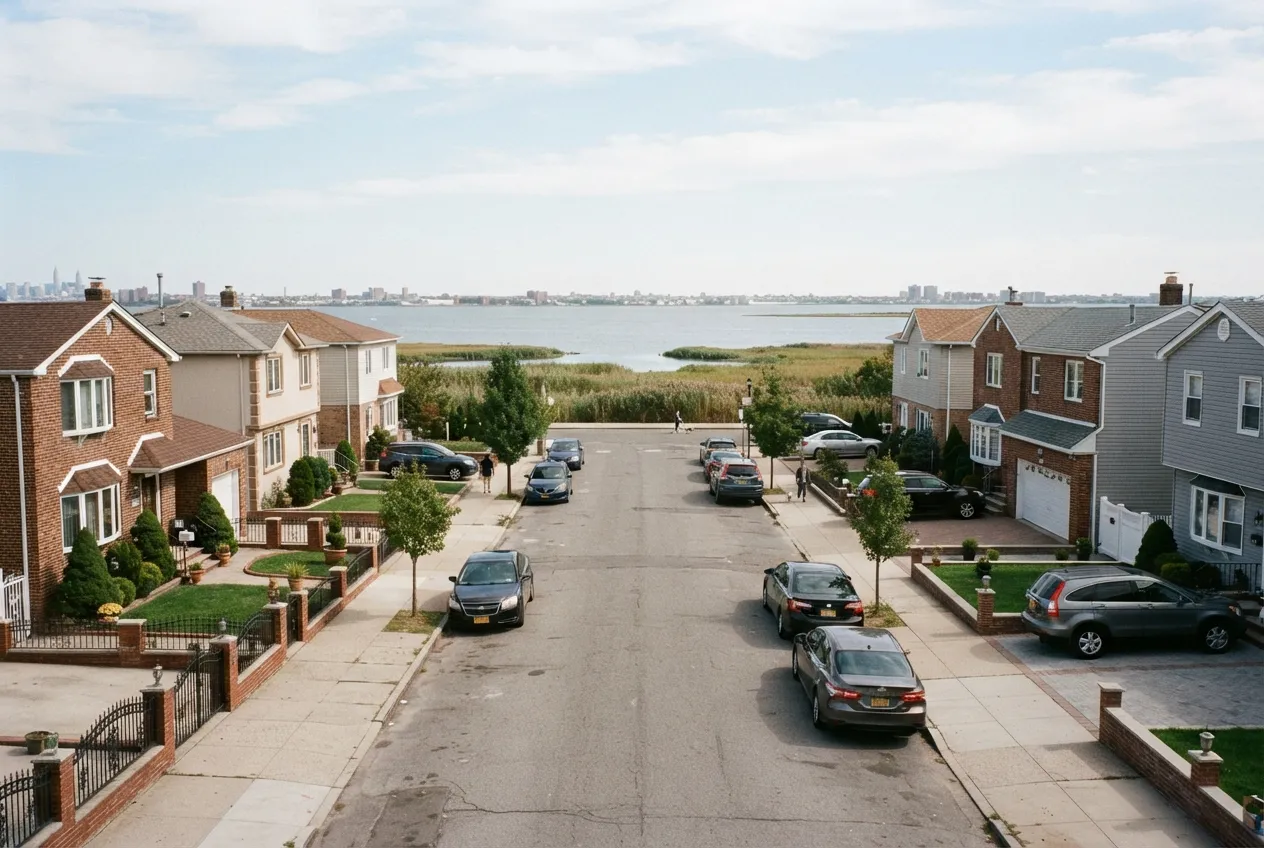
Many Bergen Beach homes are detached, semi-detached and attached brick houses, and their chimneys often vent a boiler, a water heater, a fireplace, or some combination of the three. The liner is the channel inside that chimney that carries exhaust up and out while shielding the surrounding masonry from heat, moisture and corrosive byproducts. When a liner is cracked, deteriorated, missing or the wrong size for the appliance it serves, the chimney can't do its job safely. EliteSweep Chimney Services installs chimney liners throughout Bergen Beach from our office in Madison, about a mile west, and our certified technicians handle the work from first inspection to final check.
Signs Your Bergen Beach Chimney Needs a New Liner
Liners wear out from the inside, so problems often go unnoticed until an inspection or a camera scan shows them. Older clay tile flues can crack from heat or settle over time, and mortar joints between tiles can erode. Some older chimneys were built with no liner at all.
These are common reasons we recommend a new liner:
- Cracked, shifted or missing clay flue tiles found during an inspection
- Crumbling mortar, tile fragments or flaking masonry at the base of the chimney
- Water stains, white staining or damp spots on walls near the chimney
- A new boiler, furnace or water heater that needs a different flue size than the old one
- A change of fuel, such as a boiler conversion from oil to gas
Oil-to-Gas Conversions and Liners
Plenty of Brooklyn homes have moved from oil heat to gas. When a New York City building converts its boiler from oil to gas, the chimney has to be evaluated as part of the work, and a new liner is often needed. Gas exhaust produces acidic condensate, and over time that moisture can corrode a masonry flue that was built for oil.
If you're planning a conversion or your heating contractor has flagged the chimney, we can inspect the flue, confirm whether a liner is needed, and install one sized for the new gas equipment so the project can move forward.
Matching the Liner to Your Appliance
A liner isn't one-size-fits-all. The material, diameter and length depend on what's venting into the chimney and how tall the chimney is. A flue that's too large can let exhaust cool and condense; one that's too small can restrict draft.
For most gas and oil appliances we install stainless steel liners, which handle condensate well and can be fitted to the existing chimney. Wood-burning fireplaces and stoves have different heat demands, and we'll explain what fits your setup before any work begins. If one chimney serves more than one appliance, we look at how each connects and whether separate flues make more sense.
How the Installation Works
Most liner jobs follow the same basic steps, though older chimneys sometimes need extra attention:
- Inspect the chimney and flue, including a camera look inside where needed
- Measure the flue and confirm the size the appliance requires
- Clean the chimney and clear debris or old tile fragments if necessary
- Lower the liner from the top and connect it to the appliance at the base
- Fit the top plate and cap, then check that the system drafts properly
Planning Around Heat Season
New York City's heat season runs from October 1 through May 31. Because a boiler can't run while its liner is being replaced, many homeowners prefer to schedule liner work before October. If a problem turns up mid-winter, we'll talk through timing so you're without heat for as short a period as possible.
The NFPA 211 standard calls for chimneys, fireplaces and vents to be inspected once a year. A change of appliance or fuel calls for a more detailed Level 2 inspection, which is often how liner problems first come to light.
Serving Bergen Beach and Nearby Neighborhoods
Our technicians work across southeast Brooklyn, including Bergen Beach (11234), Marine Park, Mill Basin, Flatlands, Madison and Sheepshead Bay. Whether you own a detached house or an attached brick home, we'll give you a clear explanation of what your chimney needs and why.
More services in Bergen Beach
- Chimney Sweep in Bergen BeachLocal service & repairs
- Chimney Inspection in Bergen BeachLocal service & repairs
- Chimney Repair in Bergen BeachLocal service & repairs
- Air Duct Cleaning in Bergen BeachLocal service & repairs