
The short answer
Bergen Beach homeowners should have their chimney inspected once a year, as the NFPA 211 standard recommends, and again whenever they change a heating appliance, switch fuels, or buy or sell a home. The best time to book is before the heat season starts on October 1, so any repairs are finished before you need your boiler every day.
Bergen Beach homes put their chimneys to work for months at a time. Many houses here vent a gas or oil boiler, a water heater, or a wood-burning fireplace through a masonry chimney, and some vent all three. EliteSweep Chimney Services is based in Madison, about a mile west of Bergen Beach, so our certified technicians can reach homes in ZIP code 11234 easily for chimney inspections. An inspection tells you whether your chimney and flue are sound and venting safely, and it tells you before a small problem turns into a cold night without heat or a hazard inside your walls. This page explains what we look at, which inspection level fits your situation, and when to book.
Why Bergen Beach Chimneys Need a Yearly Look
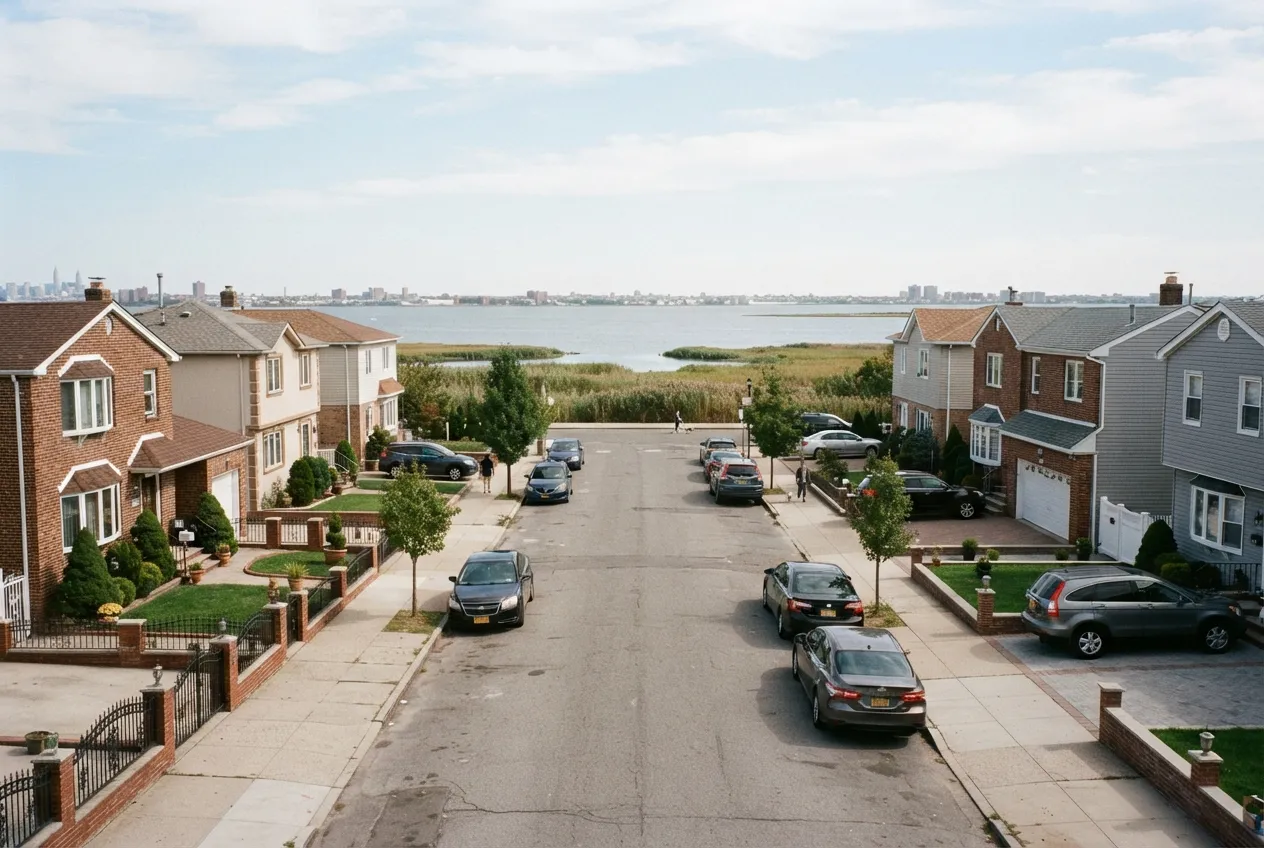
Bergen Beach housing is mostly detached and semi-detached homes, plus attached brick houses. Many of them have masonry chimneys that serve the boiler as well as a fireplace. A chimney that vents a heating system runs nearly nonstop during New York City's heat season, which lasts from October 1 through May 31. That steady use wears on mortar, liners, and caps.
The NFPA 211 standard calls for chimneys, fireplaces, and vents to be inspected once a year. You should inspect even if you rarely light the fireplace, because the boiler or water heater flue is working whether you notice it or not. Brooklyn winters also put the masonry through repeated freeze-and-thaw cycles, which can open cracks in crowns and joints that are hard to see from the ground.
Choosing the Right Inspection Level
Chimney professionals use three inspection levels. Our technician will recommend the one that fits your home's situation, not the most involved option by default.
- Level 1: For a chimney you use regularly when nothing about the system has changed. We check the readily accessible parts of the chimney, flue, firebox, and connections for soundness, blockages, and buildup.
- Level 2: Needed when the system changes, such as a new boiler or water heater, a switch from oil to gas, or a relined flue. It is also recommended when a home is sold. This level includes a camera inspection of the flue's interior.
- Level 3: Used only when a suspected hidden hazard can be reached only by opening part of the chimney or the building, such as after a chimney fire or when there is concealed damage.
Converting From Oil to Gas
Some Bergen Beach homes still heat with oil, and owners who convert their boiler to gas need to plan for the chimney. In New York City, the chimney has to be evaluated as part of an oil-to-gas conversion. A new liner is often required because gas exhaust produces acidic condensate that can corrode an unlined or old masonry flue from the inside.
If you are planning a conversion, schedule a Level 2 inspection early. Then you will know whether the flue needs a liner before the boiler work is scheduled, and you can avoid delays in the middle of the project.
What Our Technicians Check
Every inspection covers the full path the exhaust takes, from the appliance to the top of the chimney. We explain what we find in plain language and show you photos so you can see the condition of parts you can't reach yourself.
- Flue liner condition, including cracks, gaps, and corrosion
- Creosote and soot buildup in wood-burning flues
- Blockages from debris, nests, or fallen masonry
- Chimney crown, cap, and flashing where water gets in
- Mortar joints and brickwork on the exterior
- Connector pipes from the boiler or water heater
- Damper, smoke chamber, and firebox in fireplaces
When to Book in Bergen Beach
The most useful time for an inspection is late summer or early fall, before the heat season begins on October 1. If we find a damaged liner or a blocked flue, you will have time to fix it before you rely on your heat every day. You should also book right away if you notice a smoky smell indoors, water stains near the chimney, white staining on the brick, flakes of tile or masonry in the fireplace, or a boiler that keeps shutting off.
We also serve nearby Marine Park, Mill Basin, Flatlands, Madison, and Sheepshead Bay, so neighbors with similar homes can coordinate visits.
More services in Bergen Beach
- Chimney Sweep in Bergen BeachLocal service & repairs
- Chimney Repair in Bergen BeachLocal service & repairs
- Air Duct Cleaning in Bergen BeachLocal service & repairs
- Chimney Liner Installation in Bergen BeachLocal service & repairs