
The short answer
A chimney sweep in Tompkinsville removes soot, creosote and debris from your flue and checks the chimney for damage before heavy use. The NFPA 211 standard calls for an inspection once a year, and the best time to book is late summer or early fall, before New York City's heat season begins on October 1.
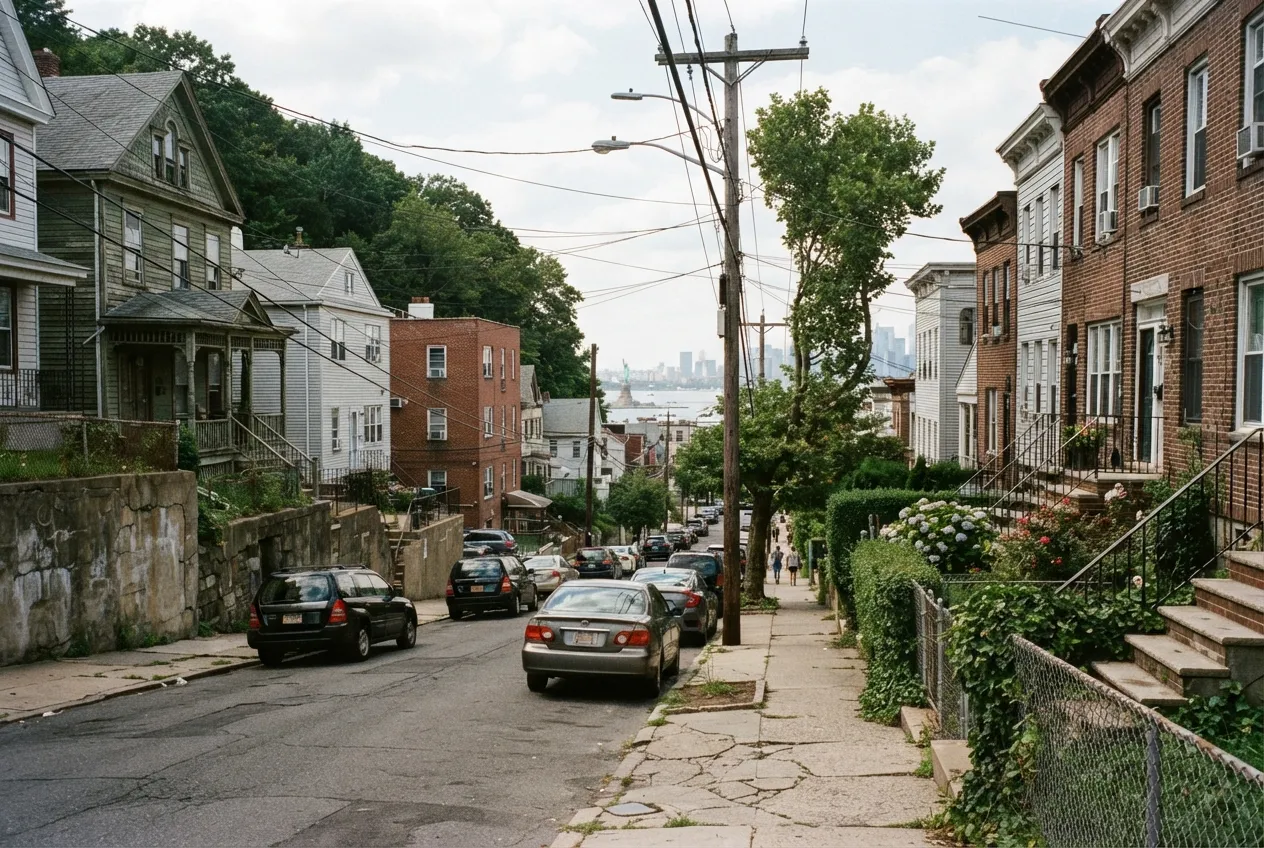
Tompkinsville is a Staten Island neighborhood about three miles west of our Bay Ridge, Brooklyn office, and our crews sweep chimneys here regularly. Homes in the area range from older detached houses and attached rowhouses to pre-war apartment buildings. Many still rely on a working fireplace, a wood stove, or a boiler that vents through a masonry chimney, and each of those builds up soot, creosote or debris over time. A proper sweep removes that buildup. It also gives a certified technician a chance to look at the flue and tell you plainly whether the chimney is ready for another season.
What a Chimney Sweep Covers in a Tompkinsville Home
A sweep is more than running a brush up the flue. Our certified technicians protect the room first, then clean and check the full system from the firebox to the top of the chimney.
If we see something that needs a closer look, we explain it and show you before suggesting any further work.
- Drop cloths and a sealed work area so soot stays out of your living space
- Brushing the flue, smoke chamber and smoke shelf to remove soot and creosote
- Clearing nests, leaves and debris that block draft
- Checking the damper, firebox walls and flue tiles for cracks or gaps
- Looking at the chimney cap and crown for damage that lets water in
- A plain-language summary of what we found and what, if anything, needs attention
Chimneys in Older Staten Island Houses and Buildings
Much of the housing in Tompkinsville was built long before modern venting appliances. Older masonry chimneys often have clay tile liners that crack with age, mortar joints that wash out, or no liner at all. In detached and attached homes, a single chimney may serve both a fireplace and a heating appliance, which makes regular cleaning and inspection more important.
In pre-war apartment buildings, the main chimney usually serves the boiler, and a problem there affects every unit. Building owners and managers should treat the chimney as part of the heating system, not an afterthought.
Wood-burning fireplaces leave creosote, a tar-like deposit that can ignite inside the flue. Gas and oil appliances leave less visible residue but can still produce soot, scale and condensation damage. The right cleaning depends on what you burn.
When to Schedule: Annual Inspections and Heat Season
The NFPA 211 standard calls for chimneys, fireplaces and vents to be inspected once a year. Chimney professionals use three inspection levels: Level 1 when nothing has changed, Level 2 when you add a new appliance, switch fuels, or the home is sold, and Level 3 when a hidden problem can only be reached by opening part of the chimney or the building.
In New York City, heat season runs from October 1 through May 31, and building owners must keep apartments heated to the city's minimum temperatures during that time. A blocked or damaged boiler chimney in the middle of winter can create a heating problem and a safety problem at once. That is why we suggest booking a sweep in late summer or early fall, before the boiler and fireplace see daily use.
If you use your fireplace often, you may need a cleaning more than once a year. Warning signs include a strong smoky smell, fires that are slow to start, smoke coming back into the room, or flaky black buildup in the firebox.
Converting from Oil to Gas Heat
Many Staten Island homes and buildings have switched from oil to gas heat or are planning to. In New York City, the chimney has to be evaluated as part of that conversion. Gas exhaust produces acidic condensation that can wear down a masonry flue, so a new liner is often needed.
Before a conversion, we can clean out years of oil soot and inspect the flue so you and your heating contractor know its condition. Because the fuel is changing, that inspection falls under Level 2.
Serving Tompkinsville and Nearby Neighborhoods
Our office is in Bay Ridge, Brooklyn, about three miles east of Tompkinsville. We also sweep chimneys in nearby Stapleton on Staten Island, and in Bay Ridge, Dyker Heights, Bath Beach and Sunset Park in Brooklyn.
When you contact us, tell us what type of home you have, what the chimney serves, and when it was last cleaned. That helps us plan the right visit and bring the right equipment.
More services in Tompkinsville
- Chimney Inspection in Tompkinsville
- Chimney Repair in Tompkinsville
- Air Duct Cleaning in Tompkinsville
- Chimney Liner Installation in Tompkinsville