
The short answer
If your Tompkinsville chimney has a cracked, missing or wrong-sized flue, or you're converting a boiler from oil to gas, you likely need a new chimney liner. We start with an inspection, then install a liner sized for your appliance so exhaust leaves the home safely and the masonry is protected.
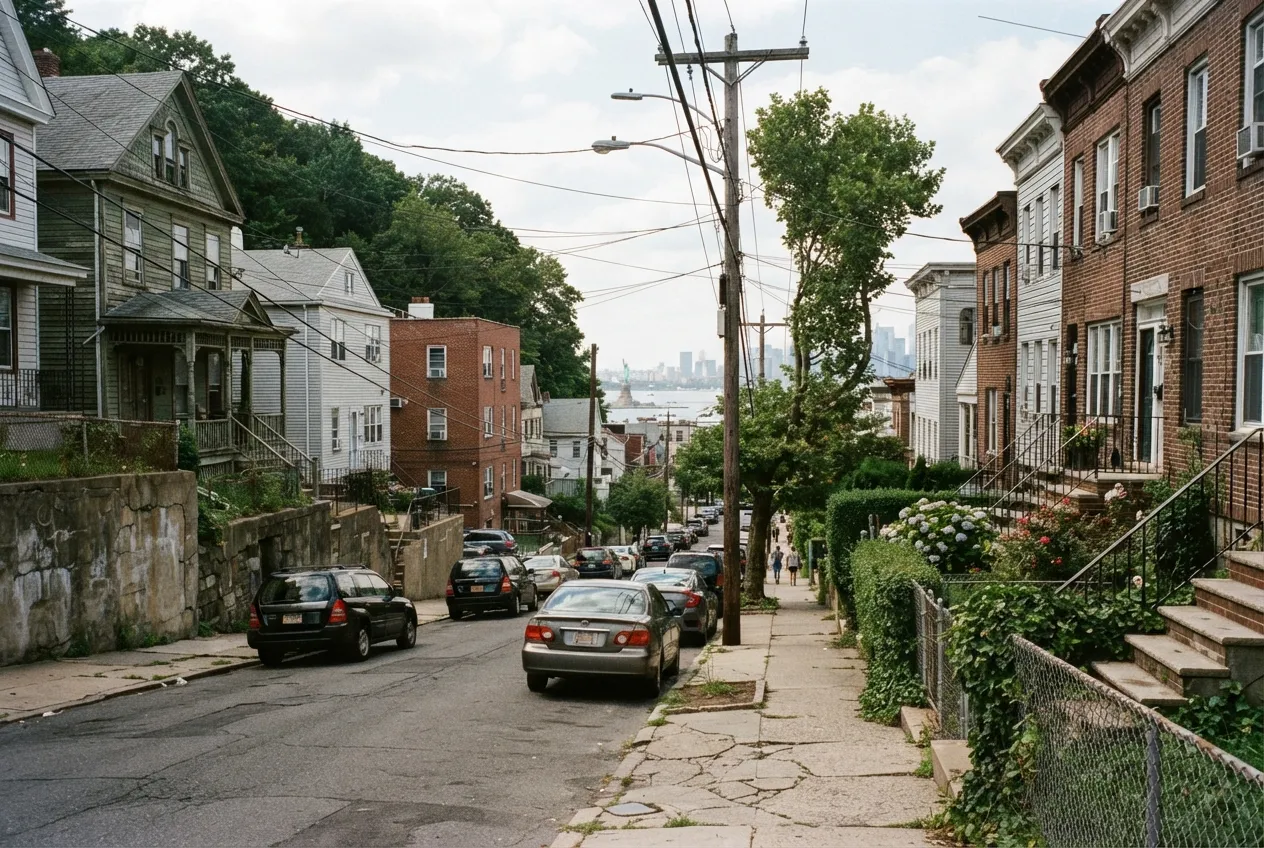
Tompkinsville sits on Staten Island's North Shore, about 3 miles west of our office in Bay Ridge, Brooklyn. Many homes here are older detached houses, rowhouses and pre-war apartment buildings with masonry chimneys built long before today's boilers, furnaces and water heaters. When a flue is cracked, unlined or the wrong size for the appliance it serves, a new liner is often the right fix. Our certified technicians inspect the chimney, explain what we find in plain terms, and install a liner matched to your heating equipment and fuel.
Why Older Tompkinsville Chimneys Often Need a Liner
A liner is the channel inside the chimney that carries smoke and exhaust gases up and out. In many older masonry chimneys, the original clay tile liner has cracked, shifted or worn away at the joints, and some chimneys were built with no liner at all. Gaps let heat and exhaust reach the brick and nearby framing, and they can let combustion gases leak into the home.
A liner can also be the wrong size. A flue built for a large coal or oil burner may be far too big for a modern, efficient appliance. Exhaust then cools too quickly and drops moisture inside the chimney, which wears down the masonry.
- Crumbling mortar or brick, or white staining on the outside of the chimney
- Flakes of tile or debris collecting at the base of the flue
- Rust, water stains or damp patches near the chimney inside the house
- Backdrafting, odors, or a carbon monoxide alarm sounding near the heating appliance
- Cracked or missing liner sections found during an inspection
Oil-to-Gas Conversions and Your Chimney
Many Staten Island homes and apartment buildings have switched their boilers from oil to gas. In New York City, the chimney has to be evaluated as part of that conversion work, and a new liner is often needed. Gas exhaust produces acidic condensate, and over time that moisture can corrode a masonry flue that handled oil exhaust without trouble.
If your conversion is still being planned, bring us in early so the chimney evaluation and liner installation fit into the same schedule as the boiler work. If a conversion was done years ago and the chimney was never relined, an inspection will show whether the flue is holding up.
Choosing the Right Liner for Your Appliance
No single liner suits every chimney. We select and size the liner based on what it will vent and how the chimney is built.
Before any work starts, we explain why we recommend a particular liner and what it means for your heating system.
- Stainless steel liners for gas or oil boilers, furnaces and water heaters, sized to the appliance's venting needs
- Insulated stainless liners for wood stoves and fireplace inserts, where high flue temperatures matter
- Separate flues, or properly sized shared venting, when a boiler and water heater use the same chimney
- Caps and top plates that keep rain, debris and animals out of the new flue
How a Liner Installation Works
Under the NFPA 211 standard, a change to the system, such as a new appliance or a switch of fuel, calls for a Level 2 inspection. That is usually where a liner project starts. If a hidden problem can only be reached by opening part of the chimney or the building, a Level 3 inspection may be needed.
- Inspect the chimney, including a camera look inside the flue
- Clean the flue so the liner can be fitted and the existing condition is clear
- Measure and confirm the liner size for your appliance
- Install the liner from the top down and connect it to the appliance
- Seal and cap the top, test the draft, and walk you through the results
Planning Around Heat Season
New York City's heat season runs from October 1 through May 31, and building owners must keep apartments heated to the city's minimum temperatures during that time. If you own a multifamily building or rent out units in Tompkinsville, a liner problem in the middle of winter can leave tenants without heat. Scheduling inspection and relining in late spring or summer gives you room to finish the work before the boiler is needed.
We also serve nearby Stapleton on Staten Island, plus Bay Ridge, Dyker Heights, Bath Beach and Sunset Park in Brooklyn. Once your liner is in, keep up with yearly inspections, which NFPA 211 calls for on all chimneys, fireplaces and vents.
More services in Tompkinsville
- Chimney Sweep in Tompkinsville
- Chimney Inspection in Tompkinsville
- Chimney Repair in Tompkinsville
- Air Duct Cleaning in Tompkinsville