
The short answer
A chimney in Tompkinsville should be inspected once a year, as the NFPA 211 standard recommends, and ideally before New York City's heat season begins on October 1. The level of inspection depends on whether anything has changed, such as a new boiler, a switch from oil to gas, or a home sale.
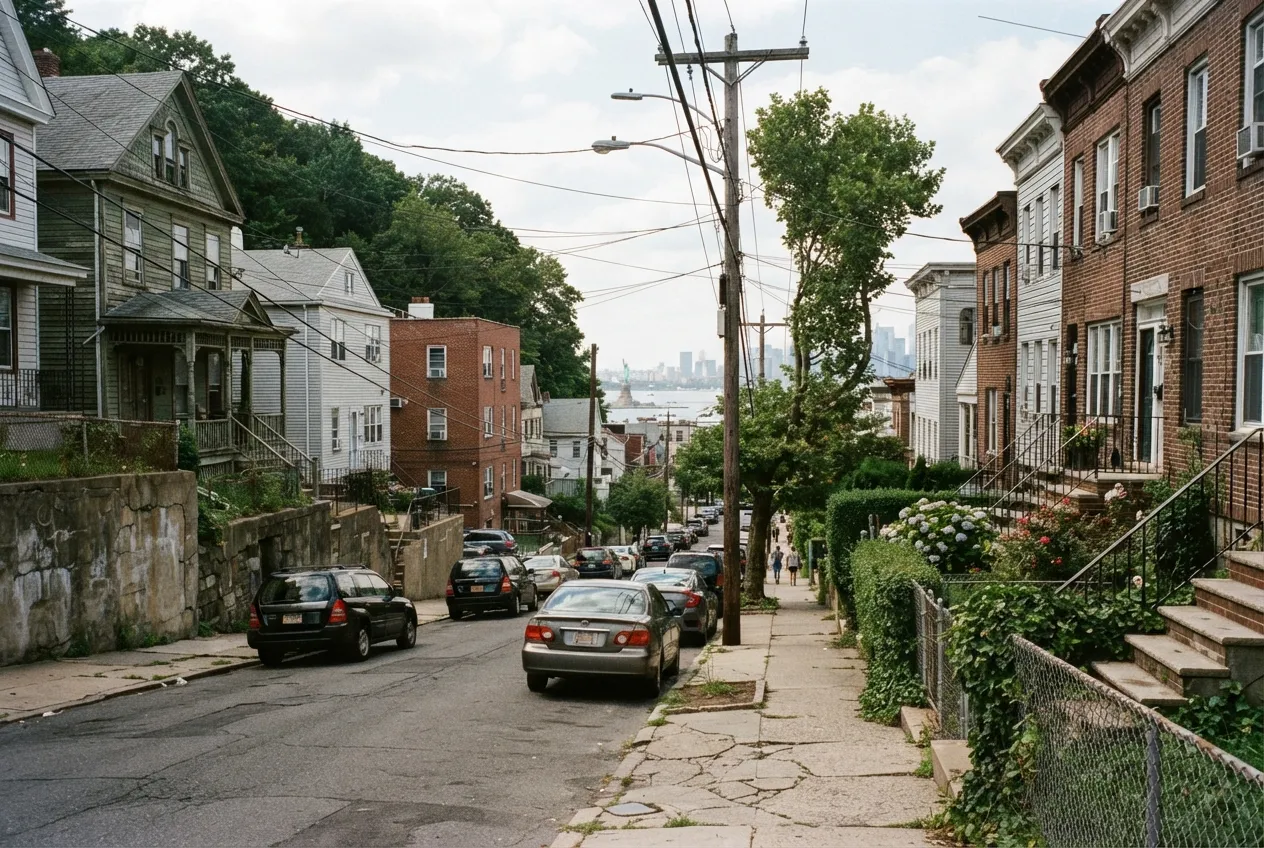
EliteSweep Chimney Services inspects chimneys, fireplaces and heating vents for homeowners in Tompkinsville, a short trip of about 3 miles from our office in Bay Ridge, Brooklyn. Homes in this part of Staten Island include older detached houses, attached rowhouses and pre-war apartment buildings, and many of their chimneys have vented several generations of heating equipment. An inspection shows the actual condition of the flue, liner, crown, cap and connections before you light a fire or start the heating season. Our certified technicians explain what they find in plain terms, so you can decide what needs attention and what can wait.
Why Yearly Inspection Matters for Tompkinsville Homes
The NFPA 211 standard calls for chimneys, fireplaces and vents to be inspected once a year. That applies whether you burn wood a few nights each winter or rely on a boiler or furnace that vents through the chimney every day.
Timing matters in New York City. The city's heat season runs from October 1 through May 31, and building owners must keep apartments heated to the city's minimum temperatures during that period. If you own a multi-family house or a small apartment building, an inspection in late summer or early fall gives you time to handle any repairs before tenants depend on the heat. Single-family homeowners benefit from the same timing, since problems found in September are easier to schedule around than problems found during a cold snap.
Choosing the Right Inspection Level
Chimney professionals use three inspection levels. We recommend the one that fits your situation rather than defaulting to the most involved option.
- Level 1: For a chimney that has been in regular use with no changes. We check the readily accessible parts of the chimney, the fireplace or appliance connection, and look for blockages and combustible deposits.
- Level 2: When the system changes, such as a new appliance or a switch of fuel, or when the home is being sold. This adds a closer review, typically including a camera inspection of the flue's interior.
- Level 3: When a hidden hazard has to be reached by opening part of the chimney or the building. We only recommend this when a Level 1 or Level 2 inspection points to a concern that cannot be evaluated any other way.
What We Look for in Older Chimneys
Many Tompkinsville chimneys are brick or block masonry built long before current heating equipment was installed. Over time, mortar joints wear, clay flue tiles crack, and crowns at the top break down from weather and repeated freezing and thawing. Water that gets past a damaged crown or missing cap can work its way into the masonry and into walls and ceilings below.
In rowhouses and apartment buildings, chimneys may serve more than one unit or more than one appliance. We check how each connection enters the flue and whether the flue is sized and lined appropriately for what is venting into it.
Converting From Oil to Gas
When a New York City building converts its boiler from oil to gas, the chimney has to be evaluated as part of the work. A new liner is often needed, because gas exhaust produces acidic condensate that can corrode an unlined or deteriorated masonry flue.
If you are planning a conversion, or one was done before you bought the home, an inspection can tell you whether the flue was lined and whether that liner is in sound condition. We share our findings so you and your heating contractor are working from the same information.
What Happens During Your Inspection
Most inspections follow the same basic steps, adjusted for the level and type of system.
- Review of the fireplace, firebox, damper and smoke chamber
- Check of the boiler, furnace or water heater connection to the flue
- Inspection of the flue interior for cracks, gaps, deposits and blockages
- Exterior review of the crown, cap, flashing and visible masonry
- Camera inspection of the flue when the inspection level calls for it
- A plain-language explanation of what we found, with photos where helpful
More services in Tompkinsville
- Chimney Sweep in Tompkinsville
- Chimney Repair in Tompkinsville
- Air Duct Cleaning in Tompkinsville
- Chimney Liner Installation in Tompkinsville