
The short answer
Stapleton homes usually need a new chimney liner when the old clay tiles are cracked, when a boiler is converted from oil to gas, or when a new heating appliance is installed. EliteSweep's certified technicians inspect the flue, size the liner to your appliance, and install it so exhaust vents safely and the masonry stays protected.
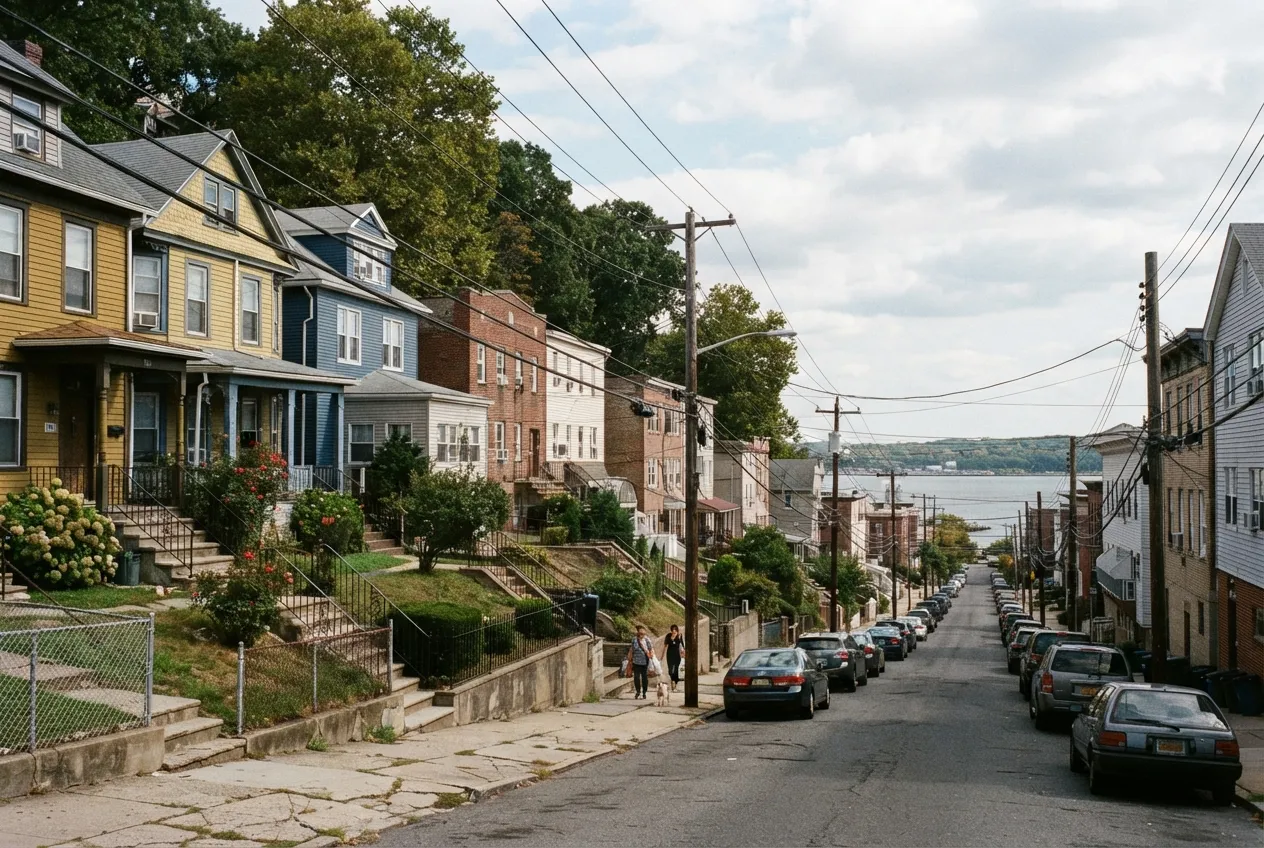
A chimney liner is the protective channel inside your flue that carries smoke and exhaust gases up and out of the house. In Stapleton, many homes are older detached houses, rowhouses and pre-war apartment buildings, and their original clay tile liners have often cracked, shifted or worn thin after decades of use. Some older chimneys were never lined at all. EliteSweep Chimney Services installs new liners for homes and small buildings throughout Stapleton, sized to the boiler, furnace, water heater or fireplace they serve. Our office is in Bay Ridge, Brooklyn, about 3 miles away, so getting a crew to your Staten Island home is straightforward.
What a Chimney Liner Does for Your Home
A liner keeps heat, smoke and corrosive exhaust away from the brick and mortar of your chimney and from the wood framing around it. Without a sound liner, heat can reach combustible materials, and gases can seep through cracks into living spaces or the walls.
A liner also sets the size of the flue. If the opening is too large or too small for the appliance, the chimney may not draft properly. Poor draft can lead to smoke spilling into the room, creosote buildup with wood fires, or carbon monoxide lingering where it shouldn't.
Signs Your Stapleton Chimney Needs a New Liner
Liner problems are usually hidden inside the flue, so they tend to show up during an inspection or when something about the heating system changes. Common reasons we install liners in Stapleton include:
- Cracked, missing or offset clay flue tiles found during an inspection
- Converting a boiler or furnace from oil to gas
- Installing a new appliance, such as a high-efficiency boiler, water heater or wood stove insert
- Damage left behind after a chimney fire
- Crumbling mortar, white staining or flaking brick on the chimney, which can point to condensation inside the flue
- An older chimney that was built without any liner
Oil-to-Gas Conversions and Your Liner
Plenty of Stapleton homes and small apartment buildings still heat with oil, and many owners are switching to gas. In New York City, the chimney has to be evaluated as part of an oil-to-gas boiler conversion, and a new liner is often needed.
The reason is chemistry. Gas exhaust produces acidic condensate that can corrode a masonry flue over time, eating away at mortar joints and clay tiles that held up fine under oil. A properly sized stainless steel liner gives that condensate a surface it can't damage and carries the exhaust out cleanly. If you're planning a conversion, bring us in early so the liner work fits into your heating contractor's schedule.
How We Install a Chimney Liner
The NFPA 211 standard calls for a Level 2 inspection when a heating system changes, such as a new appliance or a switch of fuel, and when a home is sold. That inspection includes a camera look at the inside of the flue, and it's where every liner job starts. From there, the work usually follows these steps:
- Inspect the flue and measure its height, shape and interior dimensions
- Match the liner type and diameter to your appliance, typically stainless steel (flexible or rigid) or a cast-in-place lining for damaged masonry flues
- Clean the existing flue and remove loose or broken tile where needed
- Lower the liner into the chimney and connect it to the appliance
- Add insulation where the installation calls for it
- Seal the top with a top plate and install a chimney cap
- Check draft and venting before the appliance goes back into regular use
Planning Around Heat Season
New York City's heat season runs from October 1 through May 31. During those months, building owners must keep apartments heated to the city's minimum temperatures. If you own a two-family house or a small apartment building in Stapleton and rent units, a boiler that is shut down for liner work during heat season can quickly become a problem for your tenants.
Late spring and summer are usually the easiest times to schedule liner installation and any oil-to-gas conversion. If a liner problem turns up in the middle of winter, we'll talk through how to keep downtime as short as possible.
Serving Stapleton and Nearby Neighborhoods
Along with Stapleton, we install chimney liners in Tompkinsville on Staten Island and in the Brooklyn neighborhoods of Bay Ridge, Dyker Heights, Bath Beach and Sunset Park. Whether you have a detached house, a brownstone, a rowhouse or a pre-war building, our certified technicians will explain what they find in your flue and what your liner options are before any work begins.
More services in Stapleton
- Chimney Sweep in Stapleton
- Chimney Inspection in Stapleton
- Chimney Repair in Stapleton
- Air Duct Cleaning in Stapleton