
The short answer
Stapleton homeowners should have their chimney inspected once a year, as the NFPA 211 standard recommends. Book a more detailed inspection if you have changed fuel or appliances, are buying or selling a home, or suspect a hidden problem. Fall, before heavy use, is the best time.
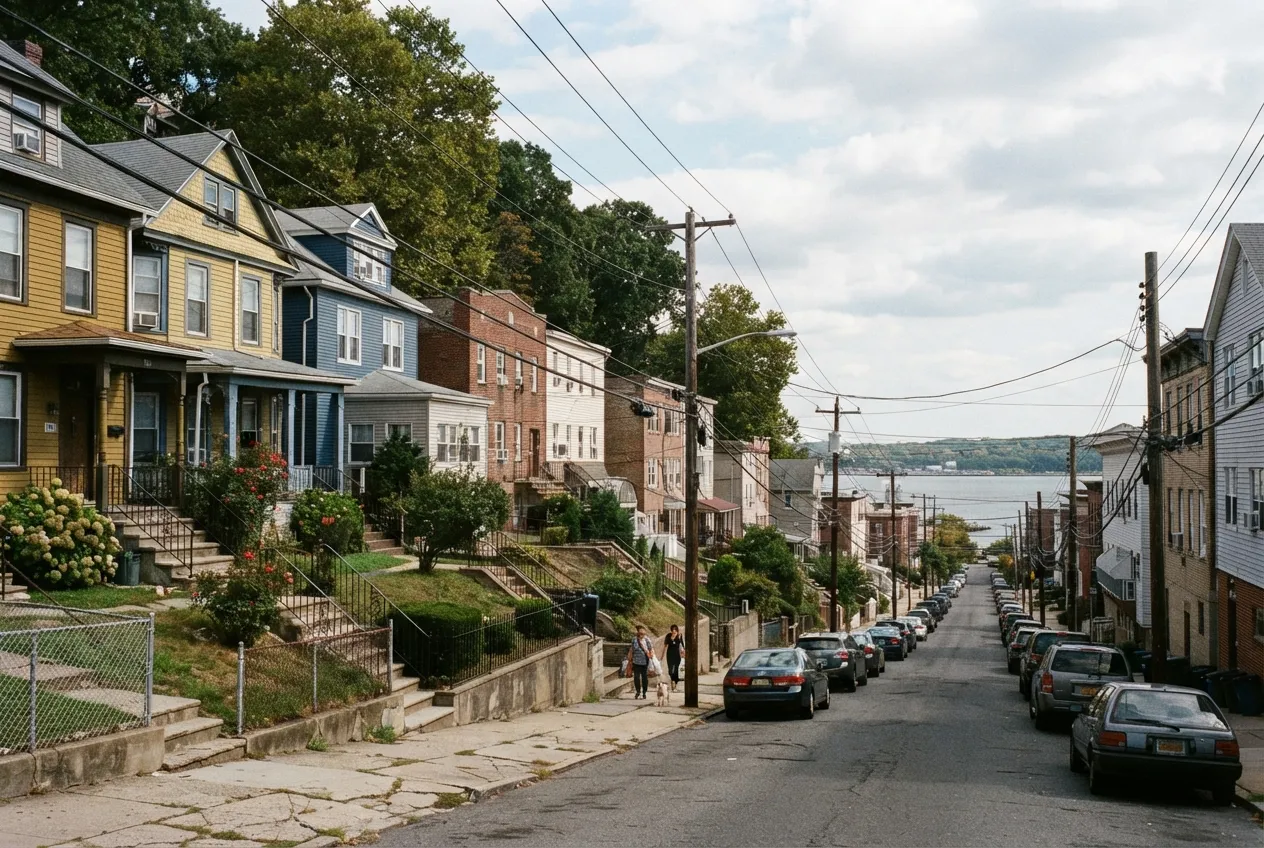
Stapleton has a mix of older detached homes, attached rowhouses and small apartment buildings. Many have masonry chimneys that have vented several different heating systems over the decades. A chimney inspection tells you whether that flue is safe for the fireplace, stove, furnace or boiler you use today, not the one that was there when the house was built. EliteSweep Chimney Services sends certified technicians from our office in Bay Ridge, Brooklyn, about 3 miles east of Stapleton, to inspect chimneys in Stapleton and nearby Tompkinsville. Below is what an inspection covers, which level your home likely needs, and when to schedule it.
Which Inspection Level Your Stapleton Home Needs
The NFPA 211 standard calls for chimneys, fireplaces and vents to be inspected once a year. Chimney professionals use three inspection levels, and the right one depends on what has happened with your home since the last check.
- Level 1: For a chimney that is being used the same way as before, with no changes to the appliance or fuel. We check the accessible parts of the chimney, flue and connections.
- Level 2: For when something changes, such as a new boiler, furnace or stove, a switch from oil to gas, or a home sale. This is a closer look that usually includes a camera inspection of the flue's interior.
- Level 3: For when a hidden hazard has to be reached by opening part of the chimney or the building, such as after a chimney fire or when there are signs of damage behind a wall.
What We Check in an Older Masonry Chimney
Older Stapleton houses often have brick chimneys that have been patched, relined or partly abandoned over the years. Detached homes may have a chimney exposed on an outside wall. In rowhouses, the chimney may share a wall or run alongside a neighbor's. Each setup has its own weak spots, so we look at the whole system from the cap down to the appliance connection.
- Chimney crown, cap and flashing, where rain and snow most often get in
- Brick and mortar joints for cracking, spalling or loose material
- Flue liner condition, including cracks, gaps and missing sections
- Creosote and soot buildup in wood-burning flues
- Damper, smoke chamber and firebox in working fireplaces
- Connector pipes from boilers, furnaces and water heaters
- Blockages from nests, debris or fallen masonry
- Signs of water damage or staining on nearby walls and ceilings
Oil-to-Gas Conversions and Flue Liners
Many Staten Island homes and small buildings have moved, or are planning to move, from oil heat to gas. When a New York City building converts its boiler from oil to gas, the chimney has to be evaluated as part of the work. A new liner is often needed because gas exhaust produces acidic condensate that can corrode a masonry flue.
If you are planning a conversion, schedule the chimney inspection early so liner work does not hold up the boiler installation. If the conversion has already happened, look for warning signs. These include crumbling material at the base of the chimney, white staining on the brick, or water collecting at the cleanout. Any of these means the flue should be checked.
Timing Your Inspection Around Heat Season
New York City's heat season runs from October 1 through May 31. During those months, building owners must keep apartments heated to the city's minimum temperatures. If you own a two-family house or a small apartment building in Stapleton, a chimney problem found in January can leave tenants without heat while repairs are arranged.
The simplest approach is to inspect in late summer or early fall, before the boiler runs every day. If a repair or a new liner is needed, you will have time to handle it before the cold sets in. Homeowners who use a fireplace or wood stove benefit from the same timing, since creosote and blockages are easier to deal with before the first fire of the season.
What Happens After the Inspection
After the visit, your technician explains what was found in plain terms. That includes what is in good shape, what needs attention, and what can safely wait. If we find a problem, we show you where it is when we can and describe your options. We do not push repairs you do not need. If the chimney is ready to use, we tell you that too.
More services in Stapleton
- Chimney Sweep in Stapleton
- Chimney Repair in Stapleton
- Air Duct Cleaning in Stapleton
- Chimney Liner Installation in Stapleton