
The short answer
A chimney inspection in Mill Basin checks the flue, liner, masonry and appliance connections so your fireplace or heating system vents safely. The NFPA 211 standard calls for an inspection once a year, and the level of inspection depends on whether anything about your system or home has changed.
Mill Basin homes lean on their heating systems from fall through spring, and the chimney or flue that vents a boiler, furnace or fireplace works the whole time. Problems inside a flue are rarely visible from the living room or the sidewalk. EliteSweep Chimney Services inspects chimneys throughout Mill Basin (ZIP code 11234) from our office in Madison, about a mile to the west. Our certified technicians examine the flue, liner, smoke chamber, crown and appliance connections. Then they explain in plain terms what they found, what needs attention now, and what can safely wait.
What we check in Mill Basin homes
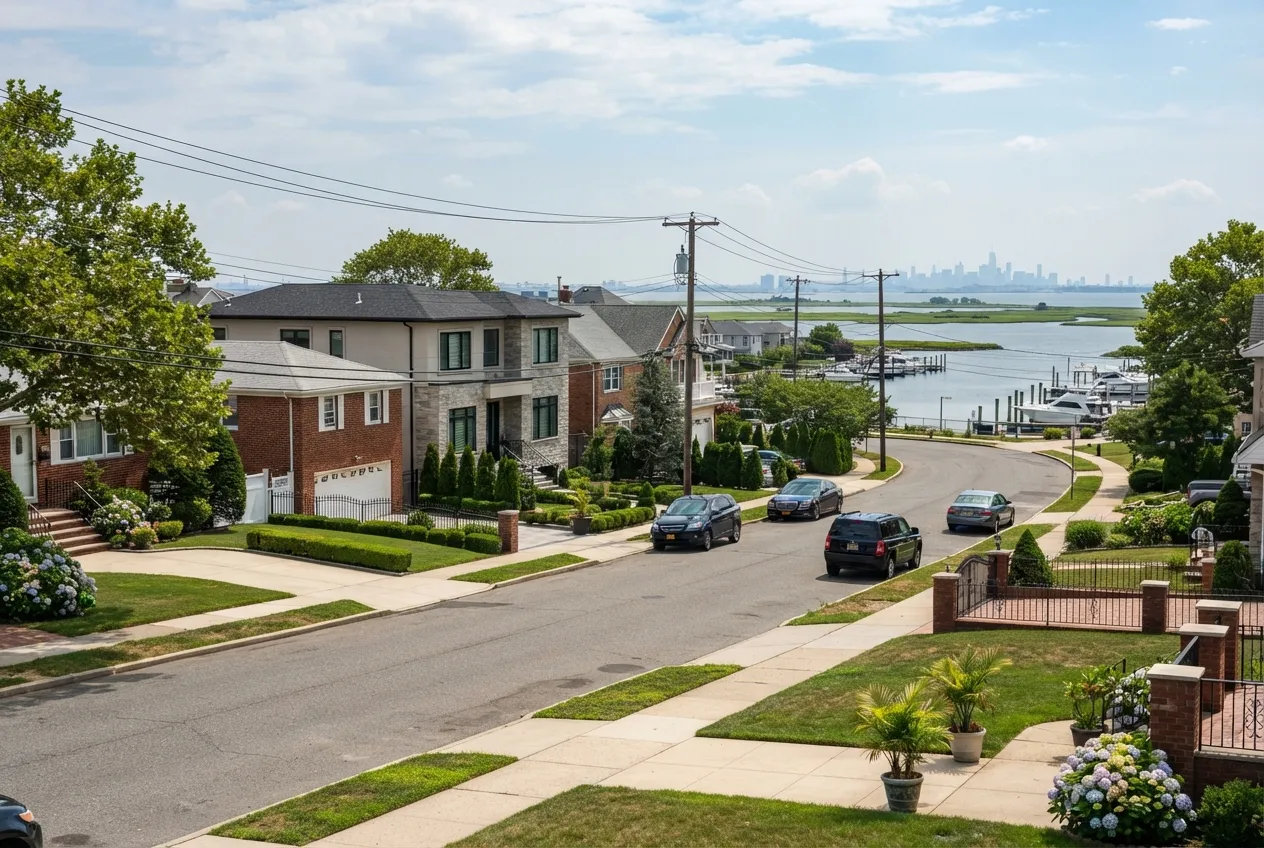
Most of Mill Basin is made up of detached and semi-detached houses, along with some attached homes. Many have a masonry chimney that serves a gas or oil boiler or furnace. Some also have a wood-burning or gas fireplace with its own flue. Each one needs to be looked at separately, because a fireplace flue and a boiler flue wear out in different ways.
Brick chimneys on detached houses are exposed to weather on every side. Wind, rain and freeze-thaw cycles work on the crown, the mortar joints and the flashing where the chimney meets the roof. Inside, heat, soot and moisture take a toll on clay tile liners and older metal connectors. A typical inspection covers:
- The chimney exterior, crown, cap and flashing, where they can be reached safely
- The flue liner, checked for cracks, gaps, missing sections and creosote buildup
- The smoke chamber, damper and firebox on fireplaces
- Connector pipes and the connection between the boiler or furnace and the chimney
- Signs of water entry, animal nesting or blockages that restrict draft
Choosing the right inspection level
The NFPA 211 standard calls for chimneys, fireplaces and vents to be inspected once a year. Chimney professionals use three inspection levels, and we will recommend the one that fits your situation rather than the most involved one.
- Level 1: for a chimney that has been in regular use with no changes to the system
- Level 2: when the system changes, such as a new appliance or a switch of fuel, or when the home is being sold
- Level 3: when a suspected hidden hazard can only be reached by opening part of the chimney or the building
Oil-to-gas conversions and flue liners
Many Mill Basin homeowners have moved, or are thinking of moving, from oil heat to gas. When a New York City building converts its boiler from oil to gas, the chimney has to be evaluated as part of the work. A new liner is often needed. Gas exhaust produces acidic condensate, and over time it can corrode a masonry flue that was built for oil.
If you are planning a conversion, an inspection beforehand shows whether your existing flue is suitable or will need relining. If the conversion has already been done and you are not sure the chimney was addressed, we can check the liner and the connection to the new equipment.
Timing your inspection around the heat season
New York City's heat season runs from October 1 through May 31. Building owners must keep apartments heated to the city's minimum temperatures during those months. That matters if you rent out a unit in a two-family house. A chimney problem found in the middle of winter can mean scrambling to keep the heat on.
The easiest time to inspect is late summer or early fall, before the boiler runs every day. That leaves room to schedule a cleaning or repair without pressure. If you have noticed smoke odors, poor draft, water stains near the chimney or debris in the fireplace, it is worth booking an inspection now rather than waiting.
After the inspection
Once the inspection is done, the technician walks you through the findings in plain language. That includes what is in good shape, what needs cleaning, and what needs repair. If something is urgent, such as a blocked flue or a damaged liner on an active heating appliance, we will tell you clearly and explain why. We don't push work you do not need.
Besides Mill Basin, we inspect chimneys in nearby Marine Park, Bergen Beach, Flatlands, Madison and Sheepshead Bay.
More services in Mill Basin
- Chimney Sweep in Mill BasinLocal service & repairs
- Chimney Repair in Mill BasinLocal service & repairs
- Air Duct Cleaning in Mill BasinLocal service & repairs
- Chimney Liner Installation in Mill BasinLocal service & repairs