
The short answer
Midwood chimneys often need a new liner after a boiler conversion from oil to gas, a new heating appliance, or years of wear on the original clay tiles. We inspect the flue first, then install a liner sized to your appliance so exhaust leaves the house safely and the masonry is protected.
A chimney liner is the protective channel inside your flue. It carries smoke and exhaust gases out of the house and keeps heat and corrosive byproducts away from the surrounding brick, mortar and framing. Many Midwood homes and pre-war apartment buildings still rely on older masonry chimneys, and their original clay tile liners are often cracked, missing in sections, or no longer sized for the appliance they serve. EliteSweep Chimney Services installs new chimney liners for homes in ZIP codes 11204 and 11230, about 2 miles northwest of our office in Madison, Brooklyn.
Why Midwood Chimneys Often Need a New Liner
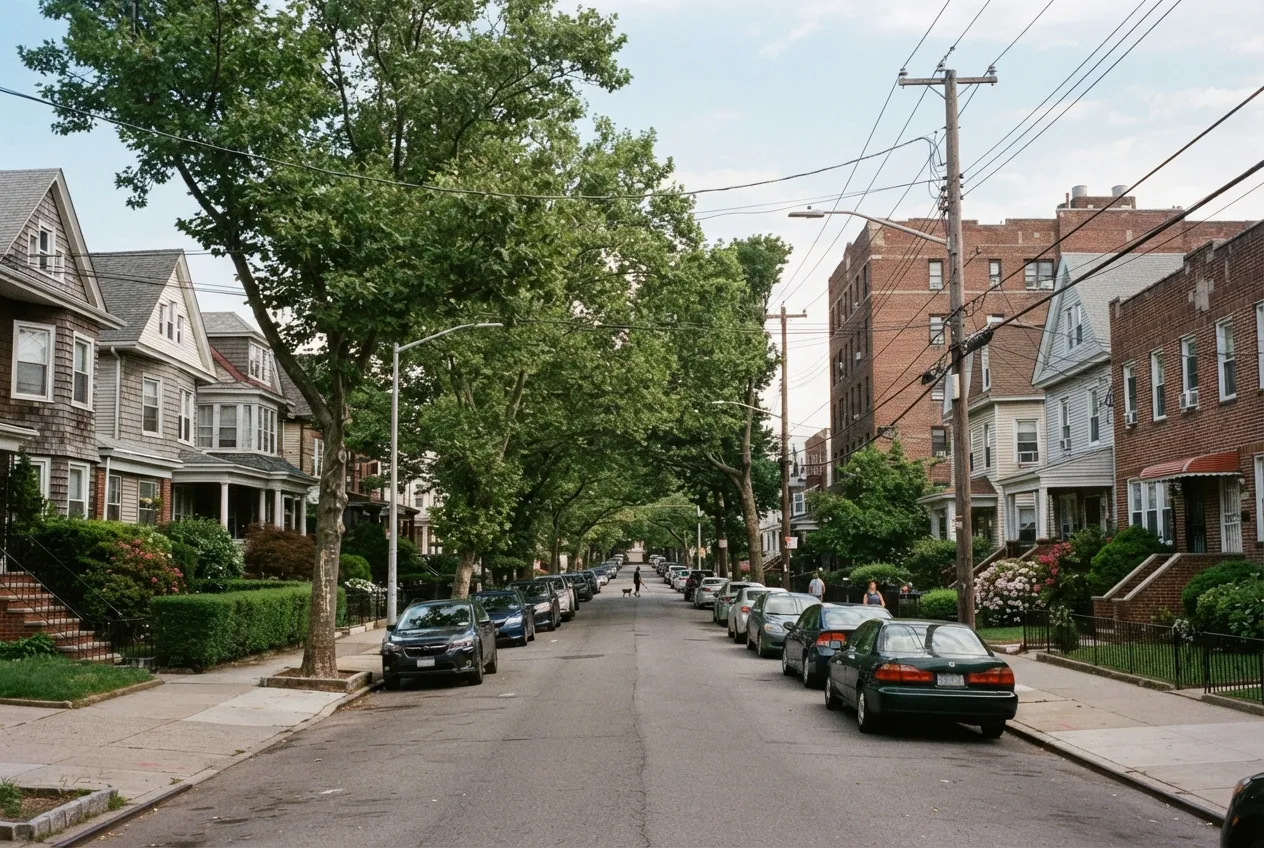
Midwood's housing mixes detached and semi-detached houses, attached rowhouses and pre-war apartment buildings. Many of these chimneys were built for older fuels and have since served several generations of heating equipment. Over time, moisture, freeze-thaw cycles and exhaust break down mortar joints and clay tiles inside the flue.
A heating change is a common reason a liner becomes necessary. When a New York City building converts its boiler from oil to gas, the chimney has to be evaluated as part of the work, and a new liner is often needed. Gas exhaust produces acidic condensate that can corrode a masonry flue, soaking into brick and mortar and weakening it from the inside.
- Pieces of tile or mortar collecting at the cleanout or in the fireplace
- White staining or flaking brick on the outside of the chimney
- Water stains or damp, musty odors on walls near the chimney
- A new boiler, furnace, water heater or fireplace insert being installed
- Exhaust odors or backdrafting near a heating appliance
Inspection Comes Before Any Liner Work
The NFPA 211 standard calls for chimneys, fireplaces and vents to be inspected once a year. It describes three levels. A Level 1 inspection fits when nothing has changed. A Level 2 inspection applies when the system changes, such as a new appliance or a switch of fuel, or when a home is sold. That makes it the right starting point for most liner projects and for Midwood buyers. A Level 3 inspection is used when a hidden hazard can only be reached by opening part of the chimney or building.
Our certified technicians run a camera through the flue to check tile condition, mortar joints, offsets and the flue's actual dimensions. Those measurements decide what kind and size of liner will work.
Choosing the Right Liner for Your Appliance
A liner has to match the appliance it vents. A flue that is too large for a modern, efficient boiler can let exhaust cool too fast, which leads to more condensation and poor draft. A flue that is too small can restrict venting.
- Stainless steel liners: suited to gas and oil boilers, water heaters and wood-burning inserts, and sized to the appliance's requirements
- Insulated stainless liners: used where extra heat protection or better draft is needed, such as tight clearances to framing
- Cast-in-place liners: a poured lining that seals and reinforces a deteriorated masonry flue
- Combined venting setups: reviewed carefully when a boiler and water heater share one chimney
Planning Around Heat Season
New York City's heat season runs from October 1 through May 31. During that period, building owners must keep apartments heated to the city's minimum temperatures. For owners of Midwood apartment buildings and multi-family houses, a heating shutdown has to be planned carefully.
When possible, schedule liner work alongside a boiler conversion or replacement, or before the season starts. If a failing liner turns up mid-season, we explain the safest options so heat can be restored with proper venting in place.
What Installation Involves
Most liner installations are done from the roof, which matters on attached rowhouses where chimneys and rooflines are shared or close together. A typical job follows these steps:
- Clean the flue and remove loose debris or broken tile
- Confirm measurements and the route through any offsets
- Lower the liner from the top and connect it to the appliance at the base
- Seal the top with a plate and install a cap to keep out rain and animals
- Run a final camera check and verify the appliance drafts properly
More services in Midwood
- Chimney Sweep in MidwoodLocal service & repairs
- Chimney Inspection in MidwoodLocal service & repairs
- Chimney Repair in MidwoodLocal service & repairs
- Air Duct Cleaning in MidwoodLocal service & repairs