
The short answer
Midwood homeowners should have their chimneys inspected once a year, as the NFPA 211 standard recommends. Book a more detailed inspection if you have changed appliances or fuel, are buying or selling a home, or suspect hidden damage. Fall is the best time, before New York City's heat season begins on October 1.
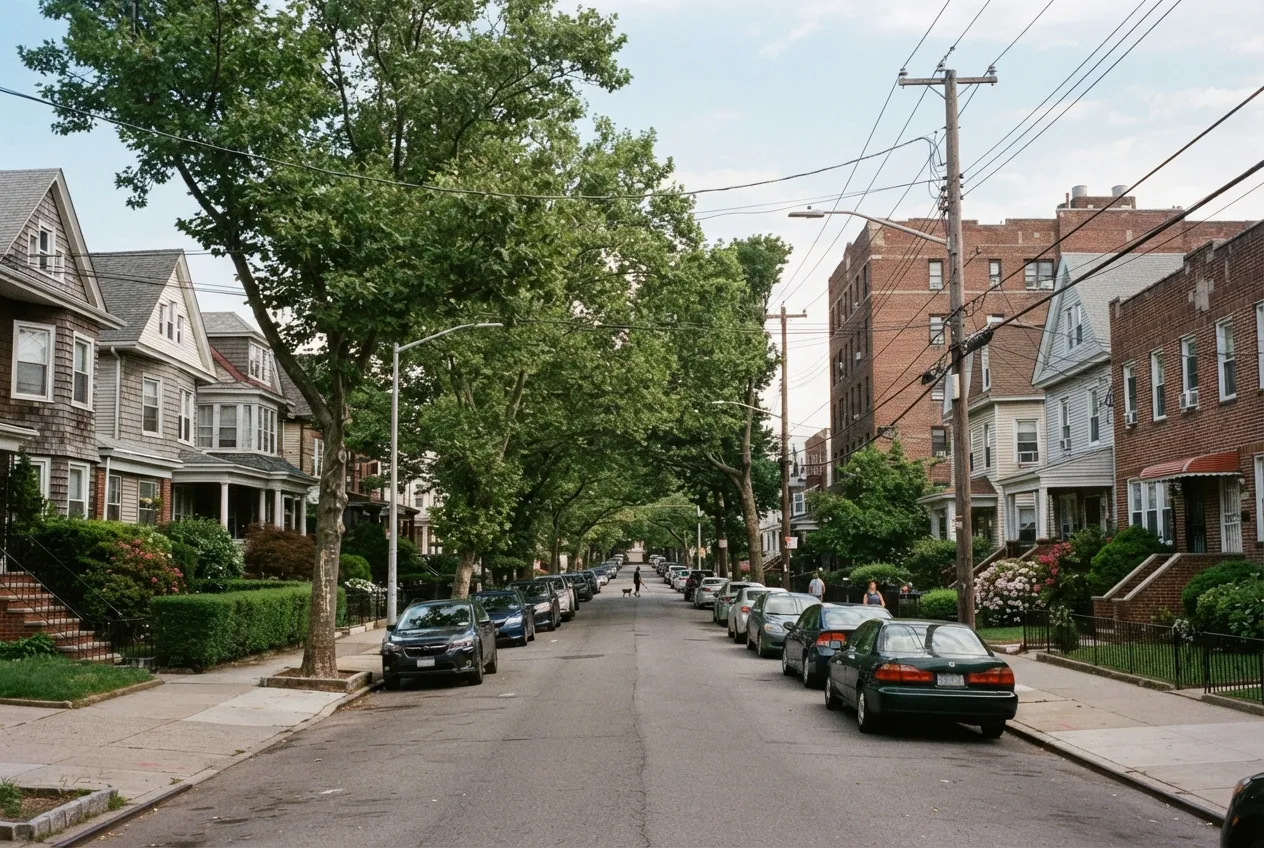
Midwood has a wider mix of chimneys than most Brooklyn neighborhoods. There are detached houses with working fireplaces, attached rowhouses with shared walls, and pre-war apartment buildings whose boiler flues run the full height of the building. Each of these ages differently, and each can hide problems you won't see from the hearth or the roof. EliteSweep Chimney Services is based in Madison, about 2 miles southeast, and our certified technicians inspect chimneys throughout the 11204 and 11230 ZIP codes. This page explains what an inspection involves for Midwood homes, which inspection level fits your situation, and when to book one.
Why Midwood Chimneys Need Regular Inspection
Many Midwood homes were built long before modern liners and chimney caps were standard. Older masonry chimneys often have clay tile liners that crack over decades of heating cycles, mortar joints that wear away, and crowns that let water in. A detached house with a fireplace and a separate furnace flue can have both problems at once.
In attached rowhouses, a damaged flue can let smoke or carbon monoxide move toward a neighbor's wall, not just into your own rooms. In apartment buildings, the boiler chimney runs nearly every day from October 1 through May 31, the city's heat season, so small defects get worse quickly. A yearly inspection catches these problems while they are still minor repairs.
Which Inspection Level Does Your Home Need?
The NFPA 211 standard calls for chimneys, fireplaces and vents to be inspected once a year. Chimney professionals use three levels of inspection, and the right one depends on what has happened to your system since the last check.
- Level 1: For chimneys in regular use with no changes. We check the accessible parts of the chimney, flue, firebox and connections for soundness, blockages and buildup.
- Level 2: For when something changes, such as a new boiler, furnace, stove or insert, or a switch in fuel. It's also the right choice when a Midwood home is being bought or sold. This level includes a camera inspection of the flue's interior.
- Level 3: For when a hidden hazard has to be reached by opening part of the chimney or building, such as after a chimney fire or when water damage points to a concealed problem.
Oil-to-Gas Conversions in Midwood Buildings
Many Midwood houses and apartment buildings have moved or are moving from heating oil to natural gas. When a New York City building converts its boiler from oil to gas, the chimney must be evaluated as part of the work. Gas exhaust produces acidic condensate that can corrode a masonry flue, so a new liner is often needed.
If your conversion is being planned, schedule the chimney evaluation early. That way you'll know whether a liner is required before the boiler work is scheduled. If a conversion was done without a chimney evaluation, a Level 2 inspection will show whether the existing flue is suited to gas.
What We Check During a Midwood Chimney Inspection
Our certified technicians look at the full venting system, not just the fireplace opening. Depending on the inspection level, the work covers:
- The flue liner, checked for cracks, gaps, missing sections and corrosion
- Creosote and soot buildup in wood-burning fireplaces
- The crown, cap and flashing, where most water damage starts
- Exterior brick and mortar joints
- Boiler and furnace connector pipes and how they join the chimney
- Blockages from debris, nesting animals or fallen masonry
- Clearances between the chimney and nearby wood framing
When to Schedule Your Inspection
Late summer and early fall work best for most Midwood homes. That timing leaves room to finish any repairs before the heat season starts on October 1. If you use a fireplace only occasionally, inspect it before the first fire of the year.
Don't wait for the annual visit if you notice smoke backing into a room, a strong odor from the fireplace in humid weather, water stains near the chimney, or bits of tile or brick in the firebox. We also serve nearby Mapleton, Madison, Homecrest, Gravesend and Flatlands.
More services in Midwood
- Chimney Sweep in MidwoodLocal service & repairs
- Chimney Repair in MidwoodLocal service & repairs
- Air Duct Cleaning in MidwoodLocal service & repairs
- Chimney Liner Installation in MidwoodLocal service & repairs