
The short answer
Chimneys in Manhattan Beach take a beating from salt air, wind and freeze-thaw cycles, which damage crowns, mortar, flashing and liners. EliteSweep's certified technicians inspect first to find the cause. Then they repair or reline the chimney, ideally outside the October-to-May heat season.
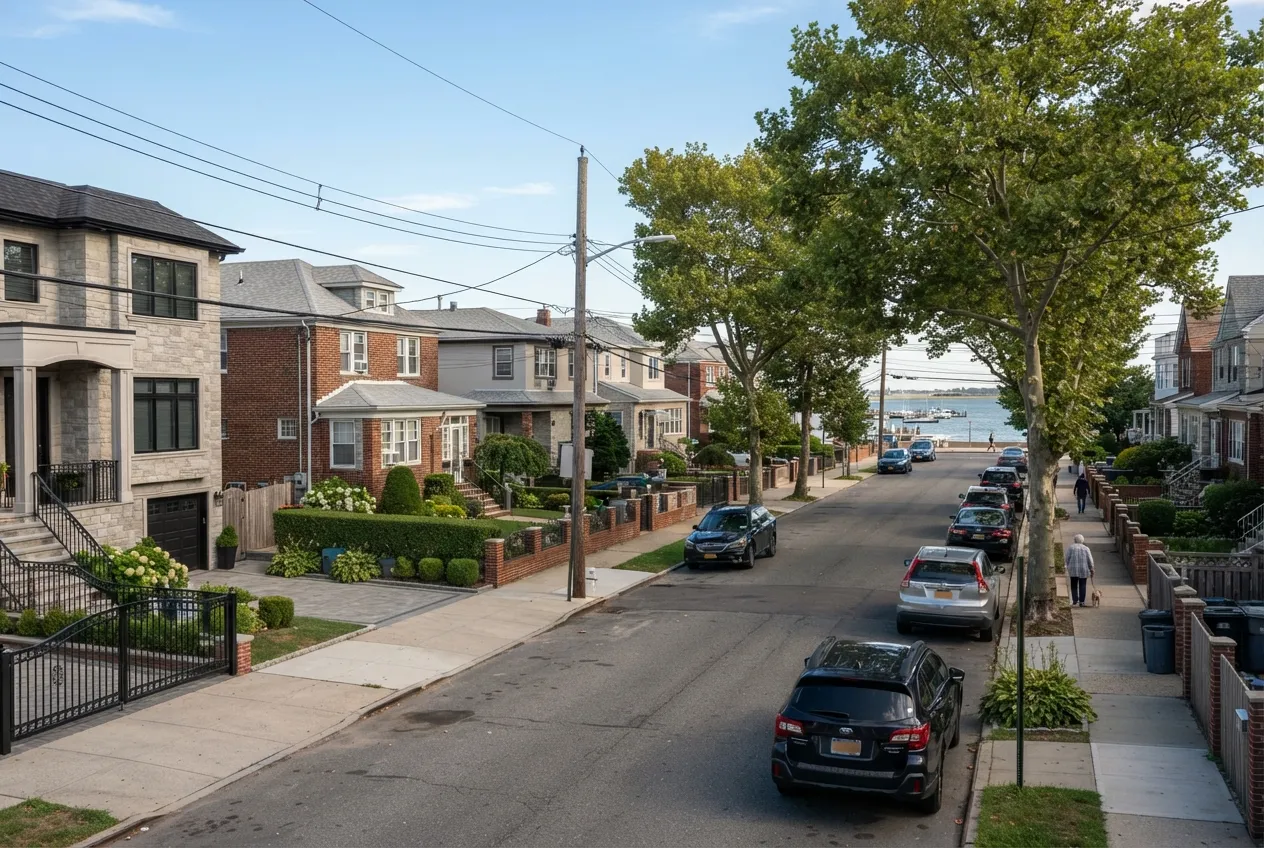
Manhattan Beach sits at the southern edge of Brooklyn, close to the water, and its chimneys take more weather than most. EliteSweep Chimney Services repairs chimneys on detached homes, two-family houses and small apartment buildings throughout the 11235 ZIP code, about 2 miles south of our office in Madison. Our certified technicians first work out why a chimney is failing, not just where, so the repair fixes the cause. This page covers the problems we see most often here, how we decide what work a chimney needs, and when to schedule it.
Why Chimneys Wear Out Faster Near the Water
Chimneys in Manhattan Beach deal with wind off the ocean, salt in the air and the usual New York cycle of freezing and thawing. Masonry absorbs moisture. When that water freezes inside brick and mortar, it expands and opens small cracks, which let in more water the next time. Salt carried in that moisture can speed up the breakdown of mortar joints and leave white deposits on the face of the brick.
Most chimney damage starts small and at the top, where it is hardest to see from the street. By the time a homeowner notices a stain on a ceiling or pieces of brick in the yard, water has usually been getting in for a while. These are the problems we find most often:
- Cracked or crumbling chimney crowns that let water into the top of the flue
- Loose, eroded or missing mortar joints between bricks
- Spalling brick, where the face of the brick flakes or pops off
- Failed flashing where the chimney meets the roof, a common source of leaks into attics and top-floor rooms
- Missing or rusted chimney caps that let in rain, debris and animals
- Cracked or deteriorated flue liners
Repairs We Handle on Manhattan Beach Homes
Some repairs take a single visit to the roof. Others call for a larger rebuild. Our work includes:
When the upper section of a chimney has shifted, or has lost too much mortar to be patched safely, we rebuild it from the roofline up.
We match each repair to how the chimney is used. A fireplace that burns wood on winter weekends needs different work than a flue that vents a boiler and water heater all year. We explain what we found and show photos when we can. We also separate what needs attention now from what can wait.
- Repointing worn mortar joints
- Replacing damaged brick
- Rebuilding or resurfacing crowns
- Resealing or replacing flashing
- Installing caps
- Relining flues
Oil-to-Gas Conversions and Flue Liners
Many homes and buildings in this part of Brooklyn have switched from oil heat to gas, or are planning to. In New York City, the chimney has to be evaluated as part of any boiler conversion from oil to gas. A new liner is often needed. Gas exhaust produces acidic condensate, which can corrode an unlined or poorly lined masonry flue from the inside.
If you are planning a conversion, bring us in early. That way the chimney work can be coordinated with your heating contractor instead of discovered at the end. If your home was converted years ago without a new liner, an inspection can show whether the flue has started to deteriorate.
Inspection First, Then a Repair Plan
The NFPA 211 standard calls for chimneys, fireplaces and vents to be inspected once a year, and chimney professionals use three inspection levels:
For a repair call, we start with the level that fits the situation. Then we give you a written description of the problems and the work we recommend, so you know exactly what is being proposed before any work begins.
- Level 1: for a chimney where nothing has changed
- Level 2: when the system changes, such as a new appliance or a switch of fuel, or when the home is being sold
- Level 3: when a hidden hazard can only be reached by opening part of the chimney or building
Plan Repairs Around Heat Season
New York City's heat season runs from October 1 through May 31. During those months, building owners must keep apartments heated to the city's minimum temperatures. If you own a two-family house or a small apartment building in Manhattan Beach, a chimney problem in January can affect your tenants as well as your own household. Late spring and summer are the easiest times to schedule masonry work and relining. The heating system can be shut down without disrupting anyone, and mortar cures more reliably in mild weather.
We also repair chimneys throughout nearby Sheepshead Bay, Gerritsen Beach, Madison, Homecrest and Gravesend.
More services in Manhattan Beach
- Chimney Sweep in Manhattan BeachLocal service & repairs
- Chimney Inspection in Manhattan BeachLocal service & repairs
- Air Duct Cleaning in Manhattan BeachLocal service & repairs
- Chimney Liner Installation in Manhattan BeachLocal service & repairs