
The short answer
You likely need a new chimney liner if your flue is cracked or deteriorated, if it isn't sized for your current appliance, or if you're converting a boiler from oil to gas. Our certified technicians inspect the flue first. Then they install a liner matched to your heating equipment or fireplace.
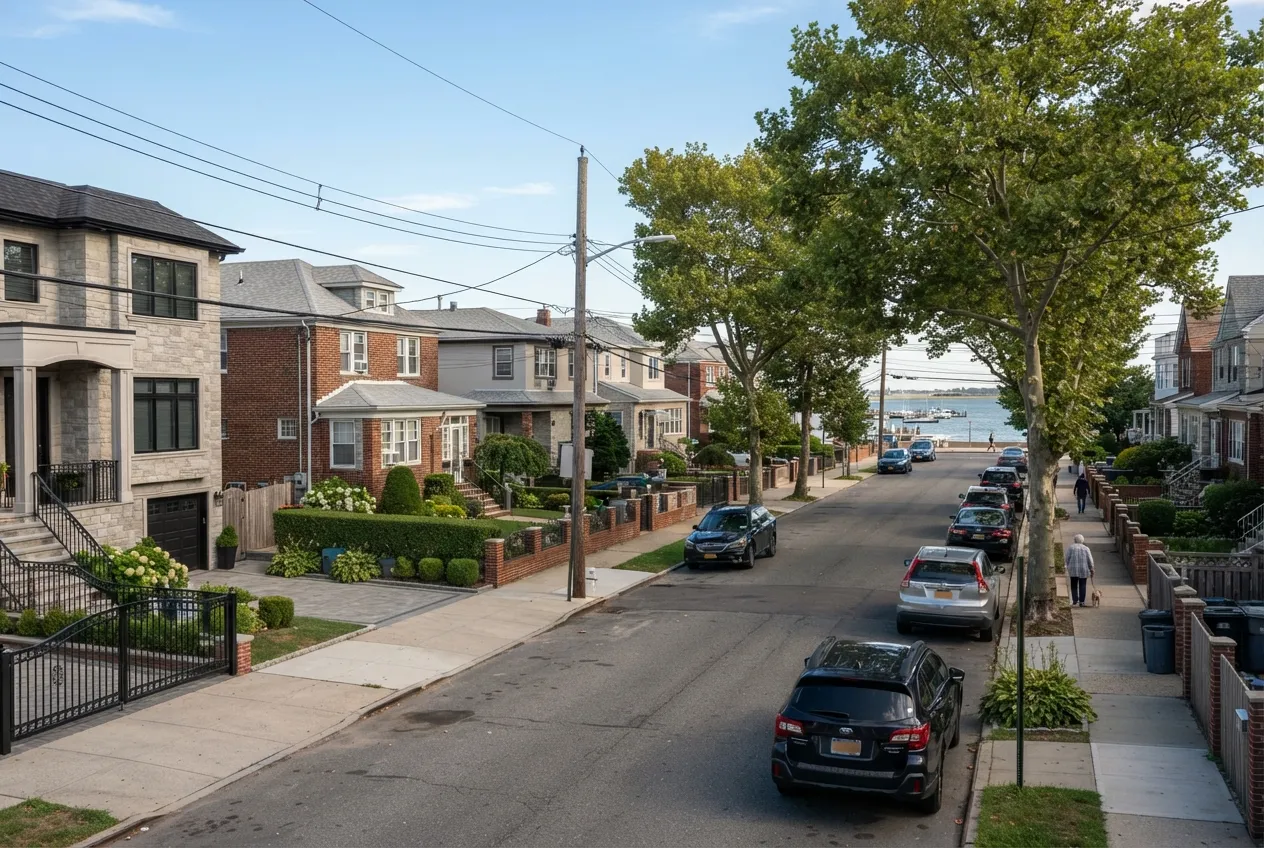
A chimney liner is the protective channel inside your flue. It carries smoke and exhaust gases out of the house and keeps heat away from the surrounding brick and framing. Many Manhattan Beach homes are detached houses and two-family homes with masonry chimneys that serve boilers, water heaters or fireplaces. In these chimneys, the original clay tile liner is often cracked, missing or the wrong size for today's equipment. EliteSweep Chimney Services installs new liners for homeowners in 11235. Our office in Madison is about 2 miles north.
Why Liners Wear Out in Manhattan Beach Homes
Most chimneys in Manhattan Beach are masonry and were built with clay tile flue liners. Clay tile holds up for a long time, but it does not last forever. Moisture, freeze-thaw cycles, settling and years of exhaust can crack the tiles or wash out the mortar joints between them. Once that happens, heat and combustion gases can reach the brick and any wood framing close to the chimney.
A damaged liner also changes how the chimney drafts. Exhaust can cool too quickly and condensation builds up. In the worst cases, carbon monoxide can find its way back into the living space. Relining restores a sealed, correctly sized path from the appliance to the top of the chimney.
Liners and Oil-to-Gas Conversions
Many Brooklyn homes have switched from oil heat to gas. When a New York City building converts its boiler from oil to gas, the chimney has to be evaluated as part of the work. A new liner is often needed because gas exhaust produces acidic condensate, which can corrode a masonry flue that was built for oil.
You may be planning a conversion or may have already finished one. Either way, we can inspect the flue and tell you whether the existing liner can stay or needs to be replaced. A switch of fuel counts as a change to the system. Under NFPA 211, that calls for a Level 2 inspection rather than a basic Level 1 check.
Signs Your Flue Needs a New Liner
Some liner damage can only be found with a camera. Still, these signs are worth having checked:
- Pieces of tile, flaking masonry or rust-colored residue at the base of the flue or in the cleanout
- Water stains or damp spots on walls or ceilings near the chimney
- A strong odor from the fireplace or boiler area, especially in humid weather
- Your heating contractor or a home inspector has flagged the flue
- You are installing a new boiler, water heater or fireplace insert, or changing fuel
- You are buying or selling the home
How We Install a Chimney Liner
Every job starts with an inspection, so the liner fits both the chimney and the appliance it serves.
Before work begins, we give you a clear plan and schedule. After installation, keep up with the yearly chimney inspection that NFPA 211 calls for. A yearly check confirms the new liner and its connections stay in good shape.
- We inspect the flue, using a camera when the inside needs a closer look
- We clean the chimney and remove loose debris so the new liner goes into a clear flue
- We size the liner to the connected appliance, whether that's a boiler, water heater, fireplace or insert
- We install the liner from top to bottom, connect it to the appliance and fit a cap at the top
- We walk you through what we found and show you the finished work
Choosing the Right Liner Material
Stainless steel liners are the most common choice for relining. When the right grade is selected, they work with gas, oil and wood-burning appliances, and they can be run through chimneys with bends or offsets. For some fireplaces, a cast-in-place liner is an option when the flue needs both a new lining and added strength. We'll explain which type suits your chimney and appliance, and why.
Plan Ahead of Heat Season
New York City's heat season runs from October 1 through May 31. During those months, building owners must keep apartments heated to the city's minimums. If you own a two-family home and rent out a unit, a boiler that can't run safely is a problem you want solved before fall. Scheduling liner work in late spring or summer gives you time to finish before the cold arrives.
Besides Manhattan Beach, we also install chimney liners in nearby Sheepshead Bay, Gerritsen Beach, Madison, Homecrest and Gravesend.
More services in Manhattan Beach
- Chimney Sweep in Manhattan BeachLocal service & repairs
- Chimney Inspection in Manhattan BeachLocal service & repairs
- Chimney Repair in Manhattan BeachLocal service & repairs
- Air Duct Cleaning in Manhattan BeachLocal service & repairs