
The short answer
EliteSweep Chimney Services repairs chimneys in Madison, Brooklyn, including mortar joints, crowns, caps, flashing and flue liners. Every repair starts with an inspection based on the NFPA 211 levels, so you know what's urgent before any work begins.
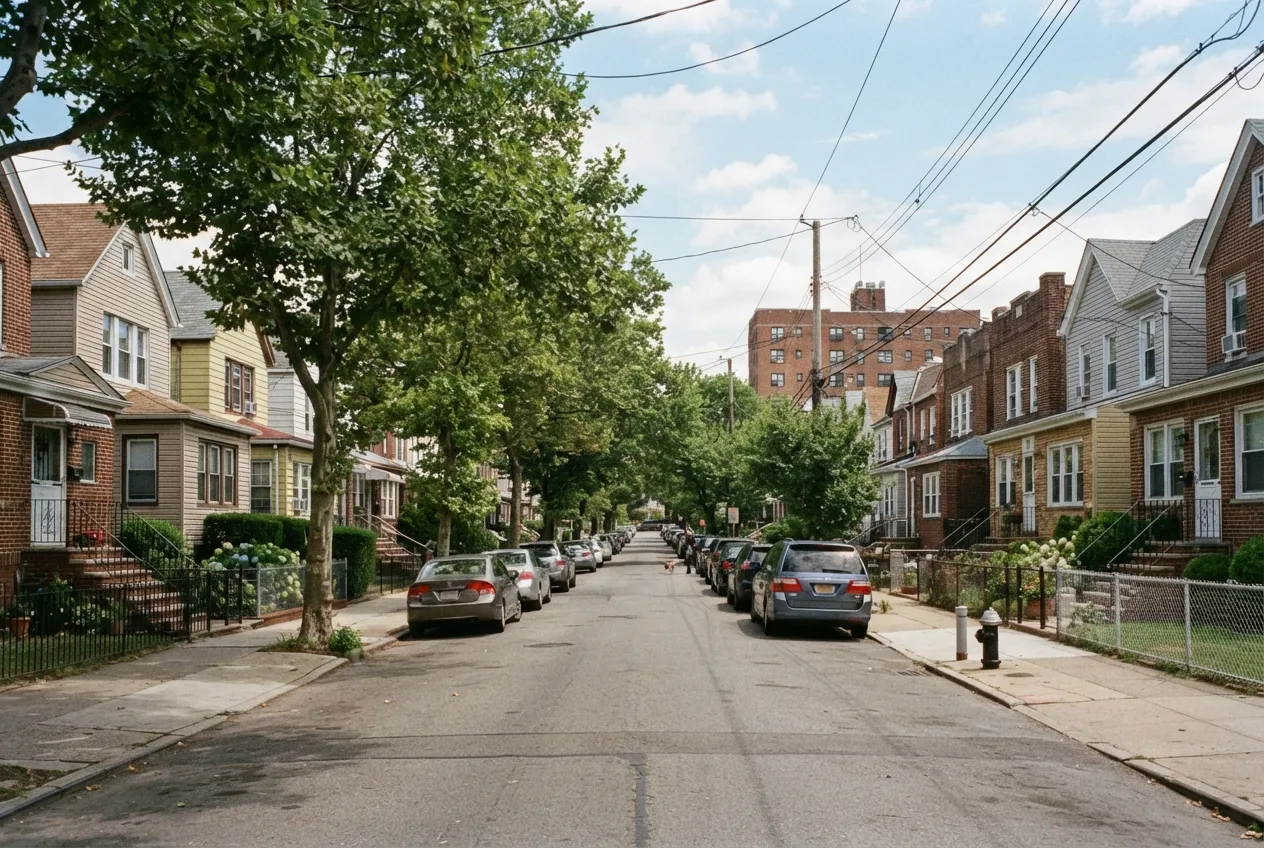
Madison is a residential part of southern Brooklyn with a mix of detached and semi-detached houses, two-family homes, attached rowhouses and small apartment buildings. Many of them are heated by boilers that vent through brick chimneys. EliteSweep Chimney Services has its office right here in Madison, so we can reach most homes in ZIP code 11229 without a long trip across the borough. This page covers chimney repair specifically: what tends to break down on chimneys in this area, how we figure out what needs fixing, and what the work involves.
What Wears Out on Chimneys in Madison
Most chimneys here are brick, and brick chimneys fail in predictable ways. Water is the main cause. Rain and snowmelt soak into mortar joints, freeze in winter, and push the joints apart. Over time you may see crumbling mortar, loose bricks near the top, or stains on walls and ceilings near the chimney.
Heating systems add their own wear. A boiler or furnace runs for months at a stretch, and its exhaust carries moisture and combustion byproducts up the flue. If the flue is unlined or the liner has cracked, that exhaust attacks the masonry from the inside. These are the problems we see most often:
- A cracked or missing crown, the concrete cap that covers the top of the chimney
- Eroded or open mortar joints
- Spalling brick, where the face of the brick flakes or pops off
- A damaged or missing chimney cap that lets in rain, birds and debris
- Failed flashing where the chimney meets the roof
- Cracked clay flue tiles or a corroded metal liner
Every Repair Starts With an Inspection
We don't quote a repair from the sidewalk. The NFPA 211 standard calls for chimneys, fireplaces and vents to be inspected once a year, and chimney professionals use three inspection levels. A Level 1 inspection fits when nothing about the system has changed. A Level 2 inspection is called for when the system changes, such as a new appliance or a switch of fuel, or when the home is sold. A Level 3 inspection is for cases where a hidden hazard can only be reached by opening part of the chimney or building.
Our certified technicians tell you which level fits your situation and show you what they found. They also explain which problems need attention now and which ones can be planned for later.
Chimney Repairs We Handle
Once we know what's wrong, the work usually falls into one or more of these categories:
On attached rowhouses and two-family homes, a chimney may sit against a neighbor's wall or serve more than one unit. We plan access and work with that in mind. If a problem looks like it extends past your side, we'll tell you.
- Repointing: removing failed mortar and packing the joints with fresh mortar
- Rebuilding the top courses of brick when they have loosened
- Crown repair or replacement
- Installing or replacing chimney caps
- Resealing or replacing flashing at the roofline
- Relining the flue with a liner sized for the appliance it serves
- Applying a breathable water repellent after masonry repairs
Oil-to-Gas Conversions and Chimney Liners
If you're converting your boiler from oil to gas, the chimney is part of the job. When a New York City building makes that switch, the chimney has to be evaluated as part of the work. A new liner is often needed, because gas exhaust produces acidic condensate that can corrode a masonry flue.
We inspect the existing flue and recommend a liner that matches the new appliance. We then install the liner so your heating contractor can finish the conversion.
Timing Repairs Around Heat Season
New York City's heat season runs from October 1 through May 31. During those months, building owners must keep apartments heated to the city's minimum temperatures, which makes it harder to shut a boiler down for chimney work. If you own a two-family home or a small apartment building, late spring and summer are usually the easiest times for liner work and larger masonry repairs.
Some problems shouldn't wait for a convenient season. Have the chimney looked at right away if you see loose bricks at the top, signs of exhaust coming back into the house, or a liner that has visibly failed.
Besides Madison, we also work in nearby Homecrest, Sheepshead Bay, Manhattan Beach, Gerritsen Beach and Midwood.
More services in Madison
- Chimney Sweep in MadisonLocal service & repairs
- Chimney Inspection in MadisonLocal service & repairs
- Air Duct Cleaning in MadisonLocal service & repairs
- Chimney Liner Installation in MadisonLocal service & repairs