
The short answer
A chimney liner protects your home from heat and exhaust gases. Madison homes often need one when old clay tiles crack or a boiler switches from oil to gas. EliteSweep inspects the flue, sizes a liner to your appliance, installs it with a cap, and tests the draft.
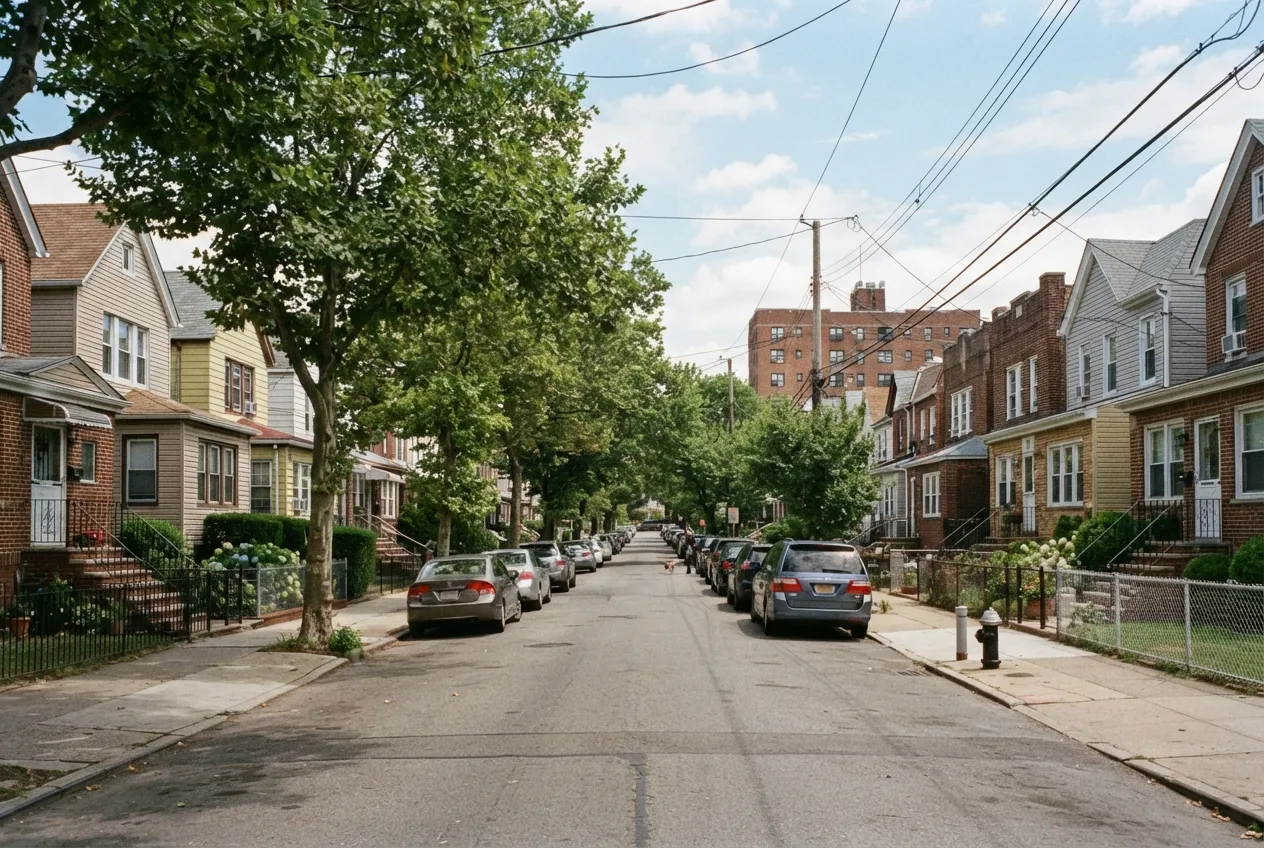
Madison has detached and semi-detached houses, rowhouses, and pre-war apartment buildings, and many of them still use masonry chimneys built decades ago. A chimney liner is the channel inside that masonry that carries smoke and exhaust gases safely out of the house. A new, properly sized liner is often the fix when the original clay tiles crack, when a flue was never lined, or when a boiler or furnace is replaced. EliteSweep Chimney Services installs chimney liners for homes in Madison, ZIP code 11229, from our office here in the neighborhood.
Signs Your Madison Chimney Needs a New Liner
Most liner problems aren't visible from inside the house. Clay tile liners can crack from age, a chimney fire, or years of heating and cooling, and the mortar joints between tiles can wear away. Some older chimneys were built with no liner at all. Any of these gaps can let heat reach nearby wood framing or let exhaust, including carbon monoxide, seep into living space.
- Cracked, shifted, or missing flue tiles found during an inspection
- Flakes of tile or debris collecting at the base of the chimney
- White staining, damp spots, or crumbling masonry on the chimney or nearby walls
- A new boiler, furnace, water heater, or stove connected to an old flue
- Draft problems, such as smoke or odors coming back into the room
Oil-to-Gas Conversions and Liners in New York City
Many Brooklyn homes and small buildings have switched their heating from oil to gas. When a New York City building converts its boiler from oil to gas, the chimney has to be evaluated as part of the work. A new liner is often needed because gas exhaust produces acidic condensate that can corrode a masonry flue over time.
You may be planning a conversion, or one may already be done and you aren't sure the chimney was checked. In either case we can inspect the flue and tell you plainly what it needs. We coordinate with your heating contractor so the liner matches the new appliance.
How We Install a Chimney Liner
Every chimney is different, so we inspect it before we recommend anything. Our certified technicians follow these steps:
- Inspect the chimney and flue, using a camera inside the flue when needed
- Confirm which appliances vent into the flue and what fuel they burn
- Size the liner to the appliance's venting requirements, since a flue that is too large or too small can cause poor draft and condensation
- Clean the existing flue and remove broken tile or debris that would block the new liner
- Install the liner from the top down, with insulation where the installation calls for it
- Connect the liner at the appliance and fit a cap at the top to keep out rain, debris, and animals
- Test the draft and walk you through what we did
Choosing the Right Liner for Your Home
Stainless steel liners are the most common choice for existing chimneys. They can be fed down an older flue, and the correct grade works with gas, oil, and wood appliances. Rigid sections work well in straight flues. Flexible liners handle the bends and offsets common in older masonry.
For chimneys with badly deteriorated interiors, a cast-in-place liner may be an option. It forms a new, smooth flue inside the old one. In some rowhouses and attached homes, a shared chimney stack or tight roof access limits what can be installed. We'll explain the options and tradeoffs before any work starts.
Plan Ahead of Heat Season
New York City's heat season runs from October 1 through May 31. During those months, building owners must keep apartments heated to the city's minimum temperatures. If you own a two-family home or a small apartment building in Madison, a flue problem found in December can leave tenants without heat while repairs are arranged. Late spring and summer are the easiest times to schedule liner work.
The NFPA 211 standard calls for chimneys, fireplaces, and vents to be inspected once a year. It calls for a Level 2 inspection when the system changes, such as a new appliance or a switch of fuel, or when a home is sold. Those are the situations where liner problems most often come to light. A Level 3 inspection is only needed when a hidden hazard has to be reached by opening part of the chimney or building.
Serving Madison and Nearby Brooklyn Neighborhoods
Our office is in Madison, so homes in 11229 are close by. We also install chimney liners in Homecrest, Sheepshead Bay, Manhattan Beach, Gerritsen Beach, and Midwood. Whether you have a detached house, a brick rowhouse, or a pre-war building with a shared chimney, contact us to schedule an inspection and get a clear recommendation.
More services in Madison
- Chimney Sweep in MadisonLocal service & repairs
- Chimney Inspection in MadisonLocal service & repairs
- Chimney Repair in MadisonLocal service & repairs
- Air Duct Cleaning in MadisonLocal service & repairs