
The short answer
EliteSweep sends certified technicians to Gravesend homes to clean fireplace, stove and boiler flues and to remove creosote, soot and blockages. The NFPA 211 standard calls for chimneys to be inspected once a year. Early fall is a good time to book, before NYC's heat season starts October 1.
If you heat with a fireplace, a wood stove, or an oil or gas boiler that vents through a masonry chimney, that chimney needs regular attention. EliteSweep Chimney Services sends certified technicians to homes throughout Gravesend, Brooklyn (ZIP 11223), from our office in Madison, about two miles to the northeast. We clean flues, remove creosote and soot, and clear blockages. Then we tell you plainly what we saw, so you can decide what, if anything, needs to happen next.
What a Chimney Sweep Covers in Gravesend Homes
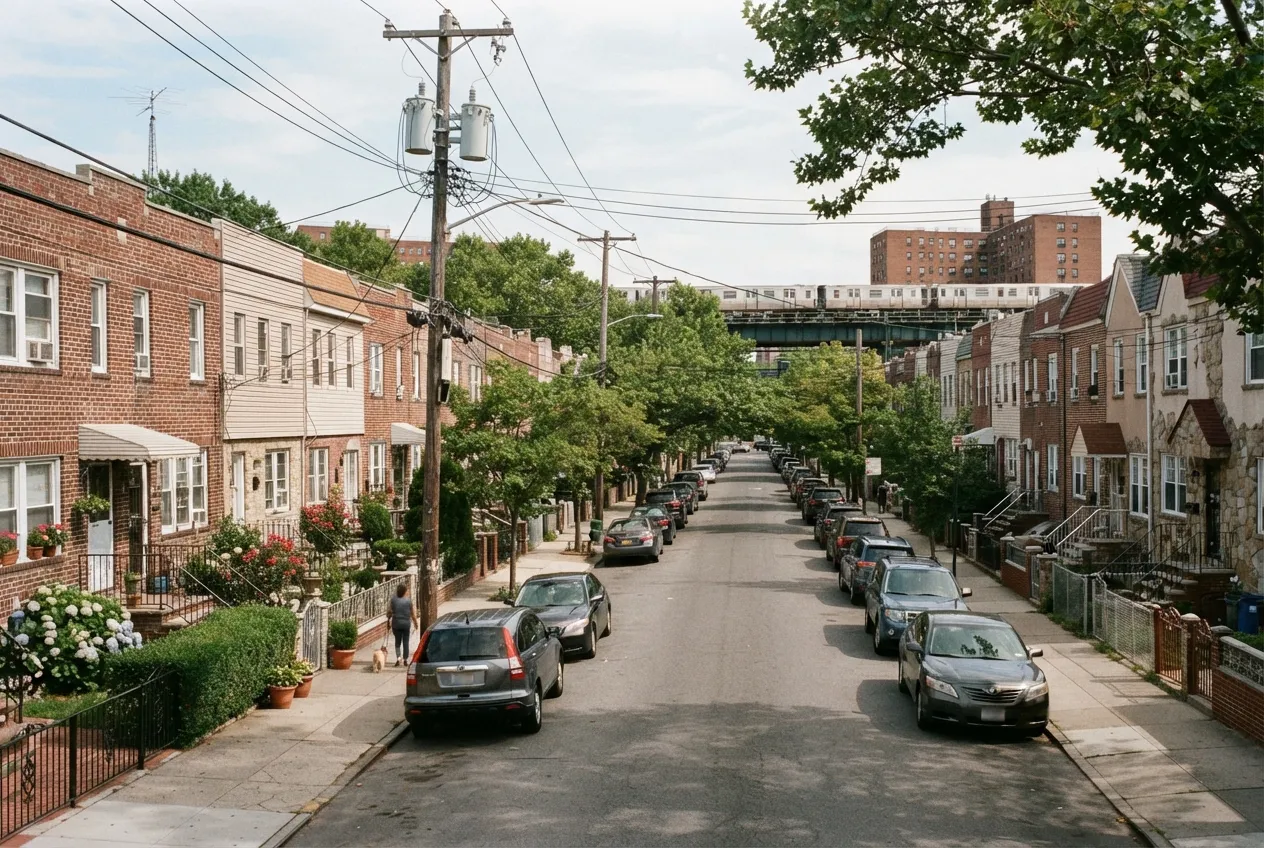
Gravesend's housing is a mix of detached and semi-detached houses, attached rowhouses, two-family homes and small apartment buildings. Many have a fireplace in the living room, a chimney that serves a basement boiler, or both. Each setup collects different deposits, so we match the cleaning to the appliance the flue actually serves.
Wood-burning fireplaces and stoves leave creosote, a tarry byproduct of smoke that can ignite inside the flue. Oil-fired boilers leave soot and scale that can narrow the flue and weaken draft. Gas appliances burn cleaner, but their flues can still collect debris, nests and loose masonry.
- Brushing and vacuuming the flue from top to bottom, with drop cloths protecting the room
- Cleaning the firebox, smoke shelf and damper area on fireplaces
- Removing soot and scale from boiler and furnace flues and connector pipes
- Clearing nests, leaves and fallen debris
- Checking the cap, crown and damper for visible damage
- Photos and a plain written summary of what we found
Yearly Inspections and the NFPA 211 Standard
The NFPA 211 standard calls for chimneys, fireplaces and vents to be inspected once a year. Sweeping and inspection go hand in hand. A clean flue is easier to examine, and the inspection tells you whether the chimney needs more than a cleaning.
Chimney professionals use three inspection levels. A Level 1 inspection fits when nothing about your system has changed. A Level 2 inspection applies when the system changes, such as a new appliance or a switch of fuel, or when the home is being sold. A Level 3 inspection is for cases where a hidden hazard can only be reached by opening part of the chimney or the building.
Most Gravesend homeowners who use their chimney regularly need a yearly cleaning with a Level 1 inspection. If we see a reason to go further, we'll explain why before doing anything else.
Oil-to-Gas Conversions and Chimney Liners
Many older Brooklyn houses and buildings were built for oil heat, and a lot of them have since switched to gas or plan to. When a New York City building converts its boiler from oil to gas, the chimney has to be evaluated as part of the work. A new liner is often needed, because gas exhaust produces acidic condensate that can corrode a masonry flue.
If you're planning a conversion in Gravesend, have the chimney swept and evaluated before the new boiler goes in. The sweep removes years of oil soot and gives a clear view of the flue's condition. That way you and your heating contractor can plan any liner work ahead of time, rather than finding a problem after the boiler is installed.
When to Schedule a Sweep in Gravesend
New York City's heat season runs from October 1 through May 31. During that time, building owners must keep apartments heated to the city's minimum temperatures. If you own a two-family house or a small building with tenants, a blocked or deteriorated boiler flue in those months is more than an inconvenience. Booking your sweep in late summer or early fall leaves time to handle any repairs before the heat has to be on.
Along with Gravesend, our technicians work in nearby Homecrest, Madison, Mapleton, Midwood and Sheepshead Bay.
Whatever the season, call us sooner if you notice any of these signs:
- Smoke backing up into the room when you use the fireplace
- A strong smoky or tar-like odor, especially in humid weather
- Black flakes or debris falling into the firebox
- Animal sounds or nesting material in or near the flue
- Water stains on walls or ceilings around the chimney
- A boiler or furnace that seems to have trouble drafting
More services in Gravesend
- Chimney Inspection in GravesendLocal service & repairs
- Chimney Repair in GravesendLocal service & repairs
- Air Duct Cleaning in GravesendLocal service & repairs
- Chimney Liner Installation in GravesendLocal service & repairs