
The short answer
A Gravesend home usually needs a new chimney liner when the existing flue is cracked or deteriorated, when a heating appliance is replaced, or when a boiler is converted from oil to gas. We inspect the chimney first, then install a liner sized for your appliance so exhaust vents safely and the masonry is protected.
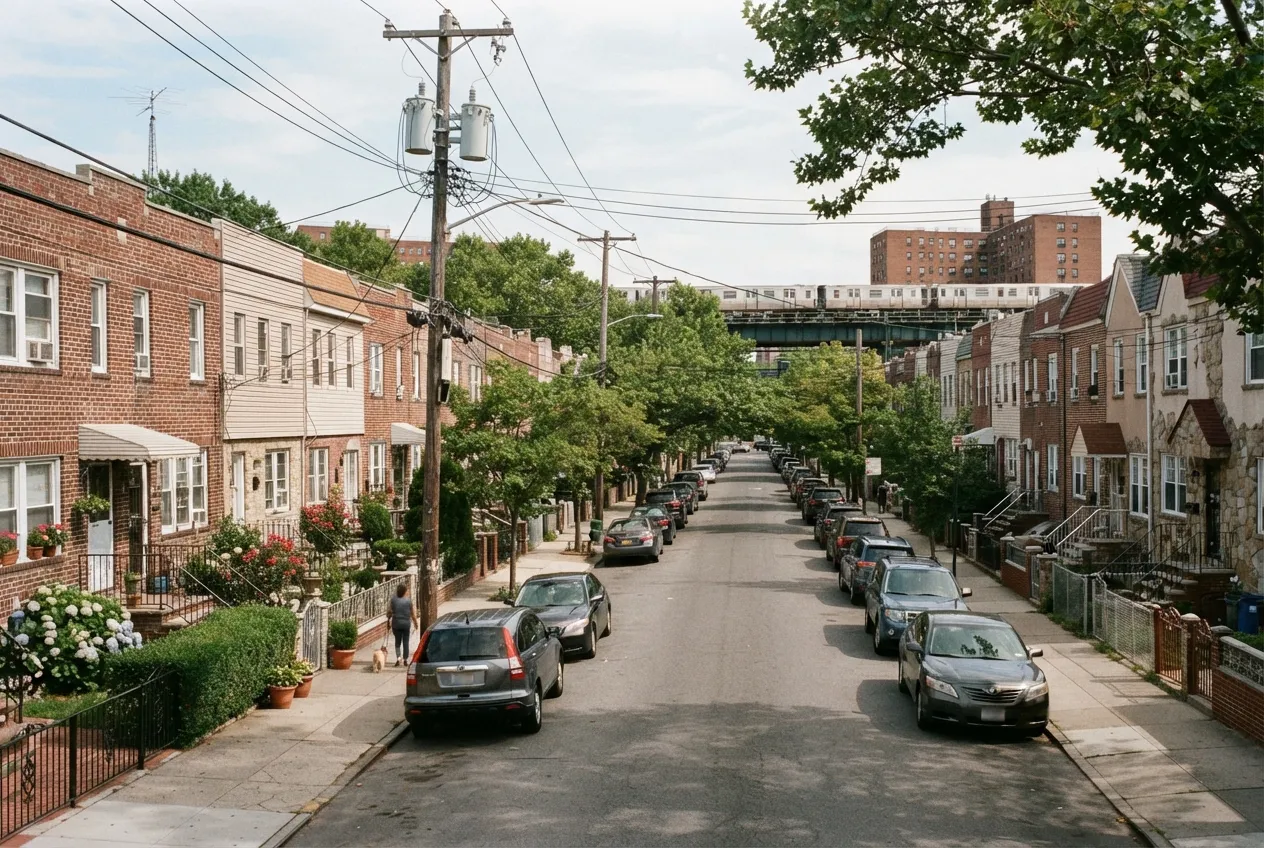
If your Gravesend home burns gas, oil or wood, the chimney liner is the part that keeps hot exhaust and corrosive byproducts away from the brick and from the rooms next to the chimney. Many houses in the neighborhood, including attached rowhouses, detached one- and two-family homes and pre-war apartment buildings, still rely on original clay tile flues. Some of those tiles are cracked, and some chimneys have no working liner at all. EliteSweep Chimney Services installs new chimney liners for homes in ZIP code 11223, working from our office in Madison, about 2 miles away. Our certified technicians start with an inspection, size the liner to the appliance it serves, and explain what they find before any work begins.
Why Gravesend Chimneys Often Need a New Liner
Much of the housing in Gravesend is older masonry construction. Clay tile liners in chimneys of that age can crack, shift or lose mortar at the joints after decades of heating cycles. Once there are gaps, heat and exhaust can reach the surrounding brick and the framing near the chimney, and combustion gases can leak where they shouldn't.
Liner problems usually stay out of sight. Warning signs that do show up include flaking tile pieces at the base of the chimney, water stains or crumbling mortar on the chimney, a boiler or water heater that drafts poorly, or a technician's note that the flue is the wrong size for the appliance connected to it.
Oil-to-Gas Conversions and Your Flue
Many Brooklyn homes and small buildings have switched, or are planning to switch, from oil heat to gas. When a New York City building converts its boiler from oil to gas, the chimney has to be evaluated as part of the work. A new liner is often needed because gas exhaust produces acidic condensate, which can corrode a masonry flue over time.
If you are planning a conversion in Gravesend, we can inspect the chimney early so the liner is part of your plan from the start and doesn't hold up the project at the end.
Liner Options for Gravesend Homes
The right liner depends on what is venting through the chimney, the size and shape of the flue, and the condition of the masonry. After the inspection, we explain which option fits your chimney and why.
- Stainless steel liners: a common choice for gas and oil boilers, furnaces and water heaters, and often used when an appliance is replaced or converted.
- Insulated stainless liners: used when the flue needs extra protection from heat or the appliance needs help maintaining proper draft.
- Cast-in-place liners: a poured lining that can be used to restore and seal a deteriorated masonry flue in some chimneys.
- Separate flues for separate appliances: when more than one appliance shares a chimney, we check whether each one is venting correctly.
What Happens During Installation
Liner installation is planned around your home's layout. In attached rowhouses and multi-unit buildings, roof access and the location of the boiler or water heater usually determine how the work is set up.
- Inspection of the chimney and flue, including a camera inspection where needed, to confirm its condition and size.
- Measurement of the appliance and flue so the liner diameter matches what the equipment requires.
- Cleaning and clearing the existing flue, and removing broken tile where necessary.
- Installing the liner from the top down, then connecting it to the appliance at the bottom.
- Fitting a top plate and chimney cap to keep out rain, debris and animals.
- A final check of the connection and draft, plus a walkthrough of the work with you.
Planning Around the Heating Season
New York City's heat season runs from October 1 through May 31. During those months, building owners must keep apartments heated to the city's minimum temperatures. If you own a multi-family building in Gravesend, a failed flue in the middle of winter is a serious problem, so it pays to have the chimney inspected and relined before October when possible.
The NFPA 211 standard calls for chimneys, fireplaces and vents to be inspected once a year. A Level 2 inspection applies when the system changes, such as a new appliance or a switch of fuel, or when the home is sold. Those are often the same moments when a new liner comes into the picture. We also serve nearby Homecrest, Madison, Mapleton, Midwood and Sheepshead Bay.
More services in Gravesend
- Chimney Sweep in GravesendLocal service & repairs
- Chimney Inspection in GravesendLocal service & repairs
- Chimney Repair in GravesendLocal service & repairs
- Air Duct Cleaning in GravesendLocal service & repairs