
The short answer
If your Borough Park chimney has a cracked or deteriorating flue, or you are converting a boiler from oil to gas, you will likely need a new chimney liner. A properly sized liner keeps exhaust moving safely out of the building and protects the masonry from acidic condensate. We inspect first, then recommend and install the liner that fits your chimney and appliance.
Many homes in Borough Park were built with clay tile flues or unlined masonry chimneys that were designed for coal or oil, not for today's gas boilers and water heaters. A chimney liner is a sealed channel inside the chimney that carries exhaust out of the house and protects the surrounding masonry from heat, moisture, and corrosion. EliteSweep Chimney Services installs liners in rowhouses, attached and detached homes, and pre-war apartment buildings throughout Borough Park and ZIP code 11219. We work from our office in Bay Ridge, about 2 miles west, and our certified technicians handle each project from the first inspection through final testing.
Why Liners Matter in Borough Park Homes
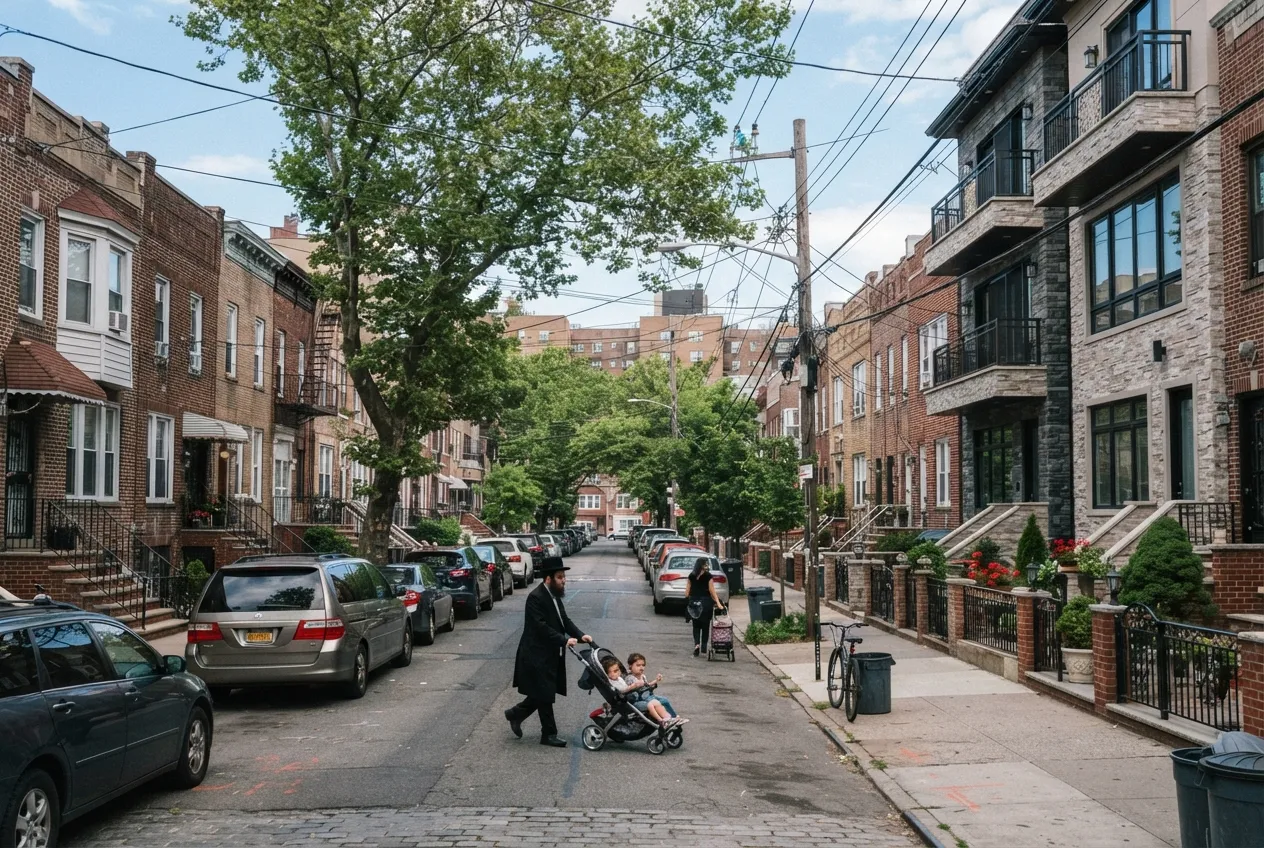
Much of Borough Park's housing is older brick construction: attached rowhouses, two-family homes, detached houses, and multi-story apartment buildings where one boiler chimney serves the whole building. Over decades, clay flue tiles crack, mortar joints erode, and flues that were sized for one appliance end up venting a different one. A damaged or mismatched flue can let exhaust, including carbon monoxide, seep into walls or living space, and it can let heat reach wood framing next to the chimney.
A correctly sized liner restores a continuous, sealed path for exhaust. It also gives the appliance the draft it needs to run as designed, which helps prevent backdrafting and condensation problems.
Oil-to-Gas Conversions and Your Flue
Many Brooklyn buildings have switched their boilers from oil to gas. In New York City, the chimney has to be evaluated as part of that conversion, and a new liner is often needed. Gas exhaust produces acidic condensate, which can corrode mortar and masonry flue tiles that held up under oil heat.
The NFPA 211 standard calls for a Level 2 inspection when the system changes, such as a new appliance or a switch of fuel. We use that inspection, including a video scan of the flue interior, to determine whether the existing flue can safely be reused or whether a new liner is the better route. You get a clear explanation of what we found before any installation work is scheduled.
How We Install a Chimney Liner
Most liners for gas and oil appliances are stainless steel, either flexible or rigid depending on the shape of the flue and any bends or offsets inside it. We explain which option fits your chimney and why. A typical installation follows these steps:
- Inspect the chimney and flue, and review the appliances it will serve
- Size the liner to the appliance's venting requirements and the chimney's height
- Clean the flue and clear out old deposits, loose tile, or blockages
- Lower the liner from the roof and connect it at the base to the appliance
- Add insulation where the chimney needs it and seal the top of the flue
- Install a cap to keep out rain, debris, and animals
- Check draft and connections before the system goes back into service
Signs Your Chimney May Need a Liner
Some liner problems are only visible during an inspection, but homeowners and building owners often notice warning signs first. If you see any of these, schedule an inspection before the next heating cycle rather than waiting for a failure.
- Cracked, flaking, or missing flue tiles found during an inspection
- White staining or crumbling brick on the chimney exterior or in the basement
- Rust, moisture, or dripping water near the boiler or water heater connection
- A recent or planned boiler conversion or appliance replacement
- Exhaust odors or a carbon monoxide alarm near the boiler room
- Pieces of tile or masonry collecting at the chimney's base
Planning Around the Heat Season
New York City's heat season runs from October 1 through May 31, and building owners must keep apartments heated to the city's minimum temperatures during that time. For owners of multi-family buildings in Borough Park, that makes liner work a matter of timing. We schedule installations to keep the boiler offline for as short a time as possible, and when it's practical, we recommend handling liner projects in the warmer months before heat season begins.
Beyond Borough Park, we also install liners in nearby Dyker Heights, Sunset Park, Bensonhurst, Bay Ridge, and Bath Beach, where the same mix of older brick homes and apartment buildings is common.
More services in Borough Park
- Chimney Sweep in Borough Park
- Chimney Inspection in Borough Park
- Chimney Repair in Borough Park
- Air Duct Cleaning in Borough Park