
The short answer
If your Bath Beach chimney has cracked or missing flue tiles, is unlined, or now serves a new or converted heating appliance, it likely needs a liner sized for that appliance. Our certified technicians inspect the flue first and then install a liner matched to your fuel type. They also confirm that the system drafts correctly before the job is done.
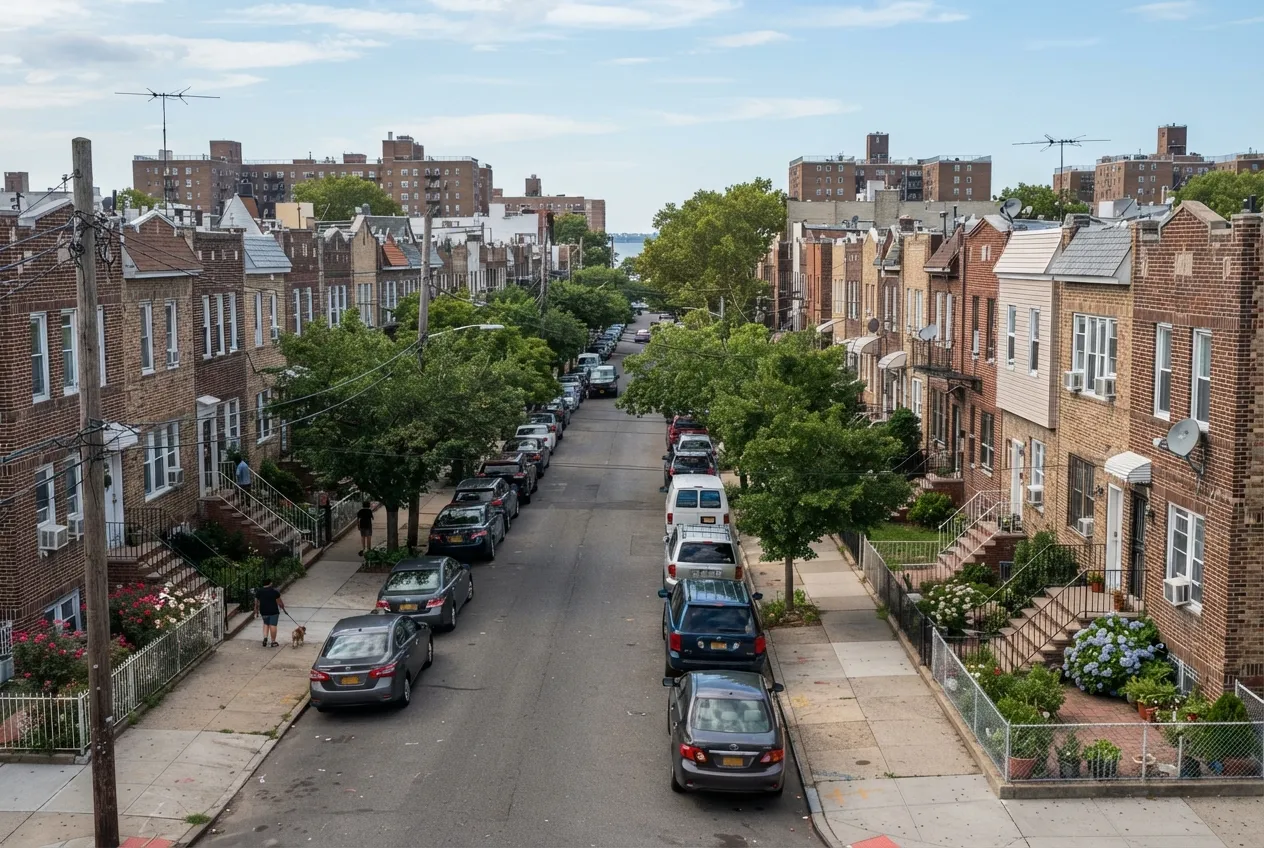
Many homes in Bath Beach still vent their boilers, furnaces, water heaters and fireplaces through masonry flues that were built many decades ago. These homes include attached rowhouses, two-family houses, detached homes and small pre-war apartment buildings. Over the years, heat, moisture and combustion gases wear down clay tile and mortar joints. A correctly sized liner protects the masonry and helps your appliance draft properly. It also keeps exhaust moving up and out of the house instead of seeping into walls and living spaces. EliteSweep Chimney Services installs chimney liners for homes in ZIP code 11214. Our office is in Bay Ridge, about 2 miles from Bath Beach.
Why Bath Beach Chimneys Often Need a New Liner
Most older Brooklyn chimneys were built either with clay tile liners or with no liner at all. Clay tiles can crack from sudden heat, settle out of alignment, or lose the mortar between sections. Once that happens, hot gases and moisture reach the brick, and the masonry starts to deteriorate from the inside.
Fuel changes are a common reason for relining in this part of Brooklyn. When a New York City building converts its boiler from oil to gas, the chimney has to be evaluated as part of the work. A new liner is often needed because gas exhaust produces acidic condensate that can corrode a masonry flue. A newer, more efficient boiler or water heater can also produce cooler exhaust than the old equipment did. That makes condensation inside an oversized flue more likely.
Signs Your Flue May Need Relining
Some problems are easy to see from the basement or the roof. Others only show up during a camera inspection. Call us if you notice any of the following:
- Pieces of tile, mortar or flaky debris at the base of the chimney or in the cleanout
- Water stains, white mineral deposits or damp spots on chimney walls inside the house
- A boiler, furnace or water heater that has been replaced or converted to a different fuel
- Exhaust odors near the appliance or backdrafting at the draft hood
- Crumbling brick or mortar joints near the top of the chimney
- A fireplace you want to use again after years of sitting idle
Liner Options for Rowhouses, Detached Homes and Small Buildings
The right liner depends on what the chimney serves. A liner has to be sized to the appliance it vents. If the liner is too large, exhaust cools and condenses before it exits. If it is too small, the appliance may not draft safely. We match the liner diameter and material to the manufacturer's venting requirements for your equipment.
For most Bath Beach homes, we install stainless steel liners. They run from the appliance connection to the top of the chimney and finish with a cap to keep out rain, debris and animals. Common setups include:
- Stainless steel liners for gas boilers, furnaces and water heaters, including after an oil-to-gas conversion
- Heavier-duty stainless liners for oil-burning equipment
- Insulated stainless liners for wood-burning fireplaces and stoves, where higher heat demands added protection
- Separate liners when one chimney serves more than one appliance and the flues cannot safely be shared
How a Liner Installation Works
The NFPA 211 standard calls for chimneys, fireplaces and vents to be inspected once a year. It also calls for a more detailed Level 2 inspection whenever the system changes, such as a new appliance or a switch of fuel, or when the home is sold. That inspection is where every liner job starts.
- Camera inspection of the full flue to document cracks, gaps, blockages and existing liner condition
- Measurement of the flue and review of the appliance's venting requirements to choose the liner size and type
- Cleaning the flue and removing loose tile or debris so the new liner can pass through
- Installing the liner, connecting it at the appliance and sealing it at the top with a cap
- Checking draft at the appliance and walking you through what was done, with photos
Planning Around Heat Season
New York City's heat season runs from October 1 through May 31. During that period, building owners must keep apartments heated to the city's minimum temperatures. If you own a two-family house or a small apartment building in Bath Beach, try to schedule relining outside heat season. You can also coordinate it with your heating contractor so the boiler is down for as little time as possible.
Spring and summer are the easiest times to reline, especially before a planned boiler replacement or conversion. Besides Bath Beach, we also handle chimney liner installation in Bensonhurst, Dyker Heights, Bay Ridge, Borough Park and Sunset Park.
More services in Bath Beach
- Chimney Sweep in Bath Beach
- Chimney Inspection in Bath Beach
- Chimney Repair in Bath Beach
- Air Duct Cleaning in Bath Beach