
The short answer
Bath Beach homeowners should have air ducts cleaned when there is visible mold growth, evidence of vermin, or excessive dust and debris inside the system. EliteSweep's certified technicians inspect first and clean only when the condition calls for it.
Air duct cleaning in Bath Beach makes sense when there's a real reason for it: mold growing inside the ductwork, signs of rodents or insects, or dust and debris that keeps blowing out of the registers. Our certified technicians come from our Bay Ridge office, about 2 miles away, to homes throughout the 11214 ZIP code. We look inside your system before any work starts. If we find a problem, we'll explain it. If cleaning isn't needed, we'll tell you that too.
How Ductwork Shows Up in Bath Beach Homes
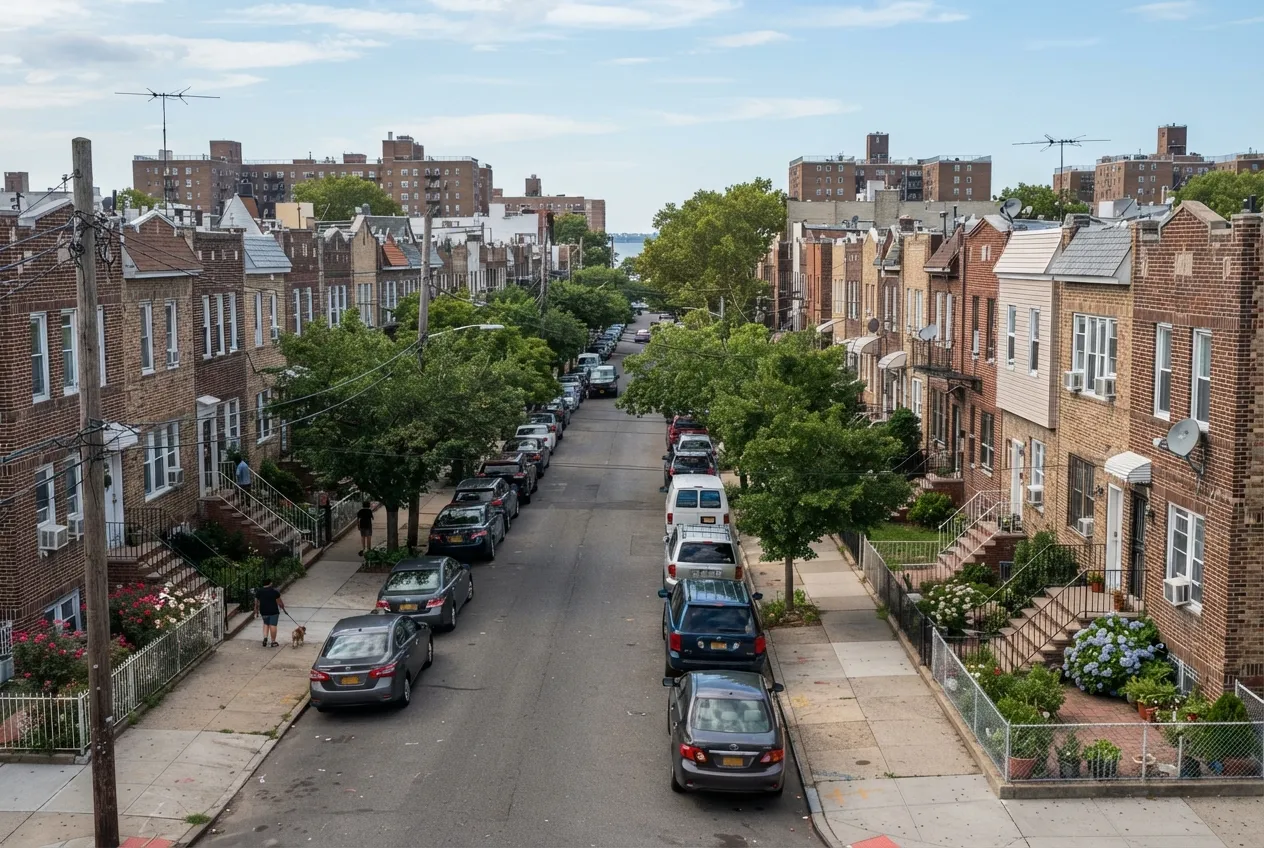
Bath Beach has rowhouses, two-family homes, detached houses and low-rise apartment buildings, and many of them were originally heated with radiators. When a home here has ductwork, it was often added later. It might be central air installed during a renovation, a forced-air furnace in a detached house, or a system serving a single floor of a two-family home.
That history affects how we clean. Ducts added to an older house are often routed through soffits, closets, basements and attic spaces, with flexible duct joined to metal runs. Before we start, we trace where your supply and return runs go so we can reach each branch without crushing or tearing flexible sections.
When Duct Cleaning Is Worth It
We follow the practical guidance the U.S. Environmental Protection Agency gives homeowners. The EPA recommends cleaning air ducts when there is a specific problem. It also notes that duct cleaning has not been shown to prevent health problems. We'd rather say that up front than sell you a service you don't need.
Signs that cleaning is warranted include:
- Substantial mold growth you can see inside the ducts or on other parts of the system
- Evidence of vermin, such as droppings, nesting material or insects in the ductwork
- Excessive dust and debris inside the ducts, or dust puffing out of supply registers when the system starts
- Heavy construction dust pulled into open returns during renovation work
What a Visit Includes
We start by protecting floors and furniture near the registers and the air handler. Then we inspect the supply and return runs, looking inside with a camera where access allows. If cleaning is called for, we put the system under negative pressure with a vacuum and use brushes and air tools to loosen debris so it's pulled out rather than pushed into your rooms.
We also clean the registers and grilles. Where they're reachable, we check the blower compartment and coil area. Afterward, we walk you through what we found and what we removed.
The EPA advises caution with chemical treatments in ductwork. We don't apply sanitizers, biocides or coatings unless we've discussed the specific product with you and you've agreed to it. If we find mold, we'll point out the likely moisture source, because cleaning alone won't stop mold from coming back. The EPA also warns consumers to research the process before responding to very cheap advertised duct cleaning offers. Before you book with anyone, ask exactly what the job includes.
Scheduling Around Heating Season and Dryer Vents
New York City's heat season runs from October 1 through May 31. During that period, building owners must keep apartments heated to the city's minimum temperatures. If your forced-air system supplies heat to a rental unit in a two-family home or small building, we'll plan the work so the shutdown is short and doesn't fall during a cold stretch. For cooling-only ductwork, spring before air conditioning season and fall after it are convenient times to schedule.
While we're there, we can clean your dryer vent too. According to the U.S. Fire Administration, failure to clean is the leading factor contributing to clothes dryer fires in homes. Many Bath Beach houses have long dryer vent runs to an exterior wall, and lint builds up in those runs.
Serving Bath Beach and Nearby Neighborhoods
We work throughout Bath Beach and the surrounding parts of southwest Brooklyn, including Bensonhurst, Dyker Heights, Bay Ridge, Borough Park and Sunset Park. Because our office is close by, we can usually work around your schedule. The same crew can also handle chimney inspection and cleaning if your home has a fireplace or a boiler flue.
More services in Bath Beach
- Chimney Sweep in Bath Beach
- Chimney Inspection in Bath Beach
- Chimney Repair in Bath Beach
- Chimney Liner Installation in Bath Beach