
The short answer
Sheepshead Bay homes usually need a new chimney liner when the old clay tiles are cracked or missing, or when a boiler is converted from oil to gas. Gas exhaust produces acidic condensate that can damage an unlined or damaged masonry flue. EliteSweep inspects the chimney first, then sizes and installs a liner that matches the appliance it serves.
A chimney liner keeps heat, exhaust and condensation inside the flue and away from the brick, mortar and framing around it. In Sheepshead Bay, many chimneys are original to the house and were built for the fuel that was common at the time. Today they often serve a newer gas boiler, a replacement water heater or a fireplace that sat unused for years. EliteSweep Chimney Services installs and replaces chimney liners for homes and buildings throughout Sheepshead Bay and ZIP code 11235. We are about 2 miles north at our office in Madison, Brooklyn. Our certified technicians start with an inspection. We only recommend a new liner when the flue actually needs one.
Why Liners Matter in Sheepshead Bay Homes
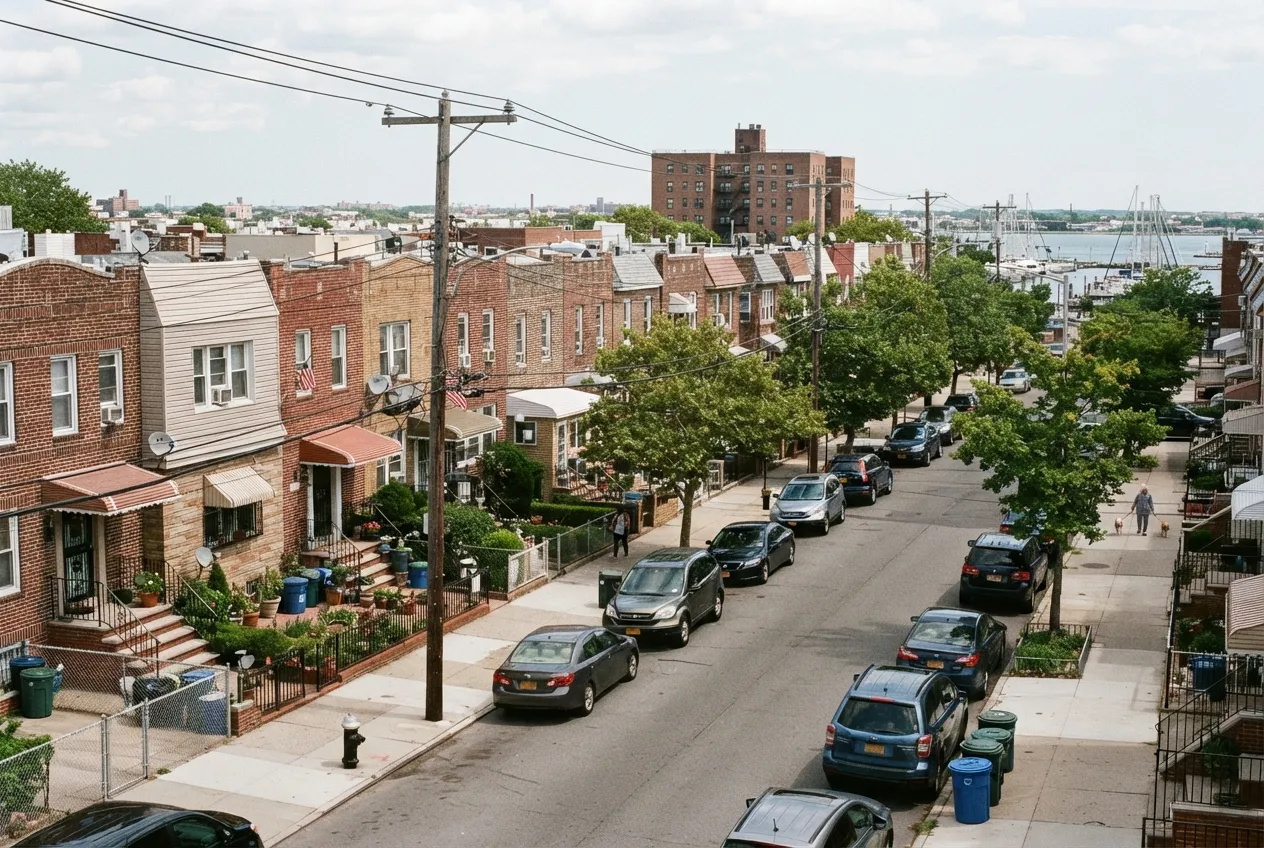
Sheepshead Bay has many kinds of housing. There are detached single-family homes, attached and semi-attached two-family houses, rowhouses, and pre-war and mid-century apartment buildings. Many of their chimneys were built with clay tile liners or with no liner at all. Over decades, clay tiles can crack, shift or lose mortar at the joints. When that happens, hot gases and moisture reach the masonry.
The damage often stays hidden until it gets serious. You might notice crumbling mortar, white staining on exterior brick, flakes of tile at the base of the flue, or a damp, sour smell near the boiler room. A properly sized liner protects the chimney structure. It also helps the appliance draft correctly, so carbon monoxide leaves the house instead of lingering inside.
Oil-to-Gas Conversions and Relining
Converting a heating system is one of the most common reasons we reline chimneys in Sheepshead Bay. When a New York City building converts its boiler from oil to gas, the chimney has to be evaluated as part of the work. A new liner is often needed. Gas exhaust produces acidic condensate, and that condensate can corrode a masonry flue built for oil.
New appliances also change the flue requirements. A high-efficiency boiler or water heater may need a different liner size or material than the old equipment used. We match the liner to the appliance manufacturer's requirements so the system vents as designed.
How We Install a Chimney Liner
Every job starts with a camera inspection of the flue. This shows what condition the existing liner is in and confirms the measurements. From there, the process usually follows these steps:
- Inspect the flue and confirm which appliances vent into it
- Measure the flue and select a liner sized to the appliance
- Clean the chimney so the new liner goes into a clear passage
- Lower the liner from the roof and connect it at the base
- Install a top plate and chimney cap to keep out rain and animals
- Test the draft and check the connections before we leave
Liner Options for Fireplaces, Boilers and Water Heaters
Most relining in the neighborhood uses stainless steel liners. They handle gas, oil and wood, and they fit through flues that have shifted or offset over the years. Some masonry chimneys are better suited to other repair methods. We explain the options that fit your chimney and appliance rather than pushing one product.
For wood-burning fireplaces, the liner must be sized for the fireplace opening and rated for solid fuel. Mixing up these requirements can cause smoke spillage or poor draft. That is why we ask how you actually use the fireplace before recommending anything.
Timing Your Liner Work Around Heat Season
New York City's heat season runs from October 1 through May 31. During those months, building owners must keep apartments heated to the city's minimum temperatures. Owners of multi-family buildings in Sheepshead Bay often plan relining for late spring or summer so the boiler is not offline when tenants need heat. If a liner fails in the middle of winter, we work to restore safe venting as quickly as the condition of the chimney allows.
The NFPA 211 standard calls for chimneys, fireplaces and vents to be inspected once a year. A Level 2 inspection applies when the system changes, such as a new appliance or a switch of fuel, or when the home is sold. A Level 3 inspection is used when a hidden hazard can only be reached by opening part of the chimney or building.
More services in Sheepshead Bay
- Chimney Sweep in Sheepshead BayLocal service & repairs
- Chimney Inspection in Sheepshead BayLocal service & repairs
- Chimney Repair in Sheepshead BayLocal service & repairs
- Air Duct Cleaning in Sheepshead BayLocal service & repairs