
The short answer
Yes, EliteSweep serves Parkville, Brooklyn, about two miles from our Madison office. We offer chimney sweeping, inspection, repair, liners, and air duct and dryer vent cleaning. Our certified technicians work on the neighborhood's houses, rowhouses and older apartment buildings and schedule around NYC's heat season.
Parkville sits about two miles northwest of our Madison, Brooklyn office, so our certified technicians can reach homes and buildings in the neighborhood quickly. We sweep, inspect and repair chimneys, install liners, and clean air ducts and dryer vents for Parkville homeowners and building owners. The neighborhood's mix of detached houses, attached rowhouses and older apartment buildings means we work on everything from wood-burning fireplaces to boiler flues that serve a whole building. Whatever you have, we start by looking at the full system and explaining what we find in plain terms.
Chimneys in Parkville's Homes and Buildings
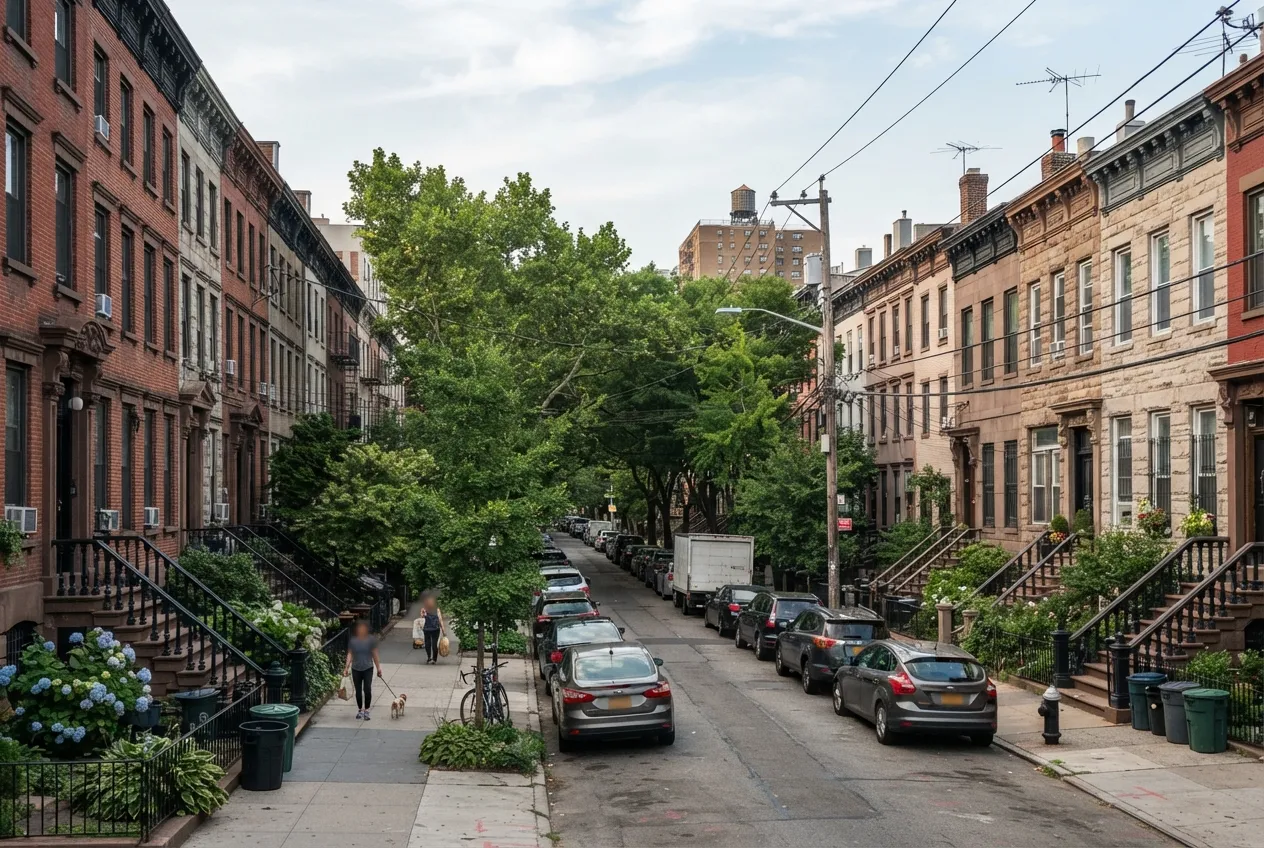
Parkville's housing is a mix of detached and semi-detached houses, attached rowhouses, and pre-war apartment buildings. Many of these chimneys have been in service for decades, and the venting setup often looks nothing like it did when the building went up. A fireplace may have been closed off, a furnace or boiler may have been replaced, or a water heater may now share a flue with a newer appliance.
Older masonry chimneys were often built without a liner, or with clay tile liners that crack over time. In apartment buildings, a single chimney may vent a boiler that heats every unit. In houses, we commonly find a fireplace flue alongside a separate flue for the heating system. Each flue needs to be checked on its own terms.
What Brooklyn's Climate Does to a Chimney
New York winters bring repeated freeze-thaw cycles. Water soaks into brick and mortar, then freezes and expands, pushing the masonry apart a little more each time. Summers are humid, and coastal storms and nor'easters drive rain sideways into crowns, flashing and mortar joints. Over a few seasons, that adds up to spalling brick, loose mortar, rusted dampers, and leaks that show up as stains on a ceiling or wall next to the chimney.
A properly fitted chimney cap or chase cover, sound mortar and a breathable waterproofing treatment go a long way toward slowing that damage. When masonry is too far gone, partial or full rebuilding above the roofline may be the practical fix.
- Cracked crowns and missing caps let rain and snow fall straight into the flue.
- Worn mortar joints let water into the masonry, where freezing does the rest.
- Rusted chase covers on framed chimneys can channel water into the structure.
- Damp flues and smoke chambers can give off a strong odor in humid summer weather.
Inspections, Heat Season and Oil-to-Gas Conversions
The NFPA 211 standard calls for chimneys, fireplaces and vents to be inspected once a year. A Level 1 inspection fits when nothing has changed. A Level 2 inspection is the right call when you add a new appliance, switch fuels, or sell a home. A Level 3 inspection is reserved for cases where a hidden hazard can only be reached by opening part of the chimney or building.
For Parkville building owners, timing matters. New York City's heat season runs from October 1 through May 31, and building owners must keep apartments heated to the city's minimum temperatures during that time. Scheduling inspection and repair work before October helps you avoid shutting down a boiler in the middle of winter.
If your building is converting its boiler from oil to gas, the chimney has to be evaluated as part of that work. Gas exhaust produces acidic condensate that can corrode a masonry flue, so a new liner is often needed. We can inspect the flue and install a liner suited to the new equipment.
Air Duct and Dryer Vent Cleaning
According to the U.S. Fire Administration, failure to clean is the leading factor contributing to clothes dryer fires in homes. Lint builds up in long or crushed vent runs, which are common when a laundry area was added to an older house or basement. If loads are taking longer to dry or the laundry room feels hot, have the vent checked.
For air ducts, we follow the approach the U.S. EPA recommends: clean them when there is substantial visible mold growth, vermin, or excessive dust and debris. The EPA also notes that duct cleaning has not been shown to prevent health problems, so we won't promise that. We explain the process before we start and talk through any chemical treatment with you before using one.
Our Services in Parkville and Nearby
Our certified technicians handle the full range of chimney, fireplace and vent work in Parkville:
We also serve the surrounding neighborhoods, including Midwood, Mapleton, Flatlands, Homecrest and Madison, where our office is based.
- Chimney Sweep: removes soot and creosote from the flue and smoke chamber.
- Chimney Inspection: Level 1, 2 or 3 inspections based on your situation.
- Chimney Repair: mortar, brick, crown and flashing repairs.
- Chimney Liner Installation: new liners for damaged flues and fuel conversions.
- Chimney Cap & Chase Cover: keeps out rain, snow, debris and animals.
- Chimney Waterproofing: breathable treatment for exposed masonry.
- Fireplace & Damper Repair: firebox, damper and smoke chamber work.
- Chimney Rebuilding: partial or full rebuilds of failing masonry.
- Air Duct Cleaning: for mold, vermin, or heavy dust and debris.
- Dryer Vent Cleaning: clears lint from the full vent run.