
The short answer
A Marine Park home usually needs a new chimney liner when the old flue is cracked or deteriorated, or when a new appliance or an oil-to-gas conversion changes what the chimney vents. EliteSweep inspects the flue first, then installs a liner sized to your heating equipment.
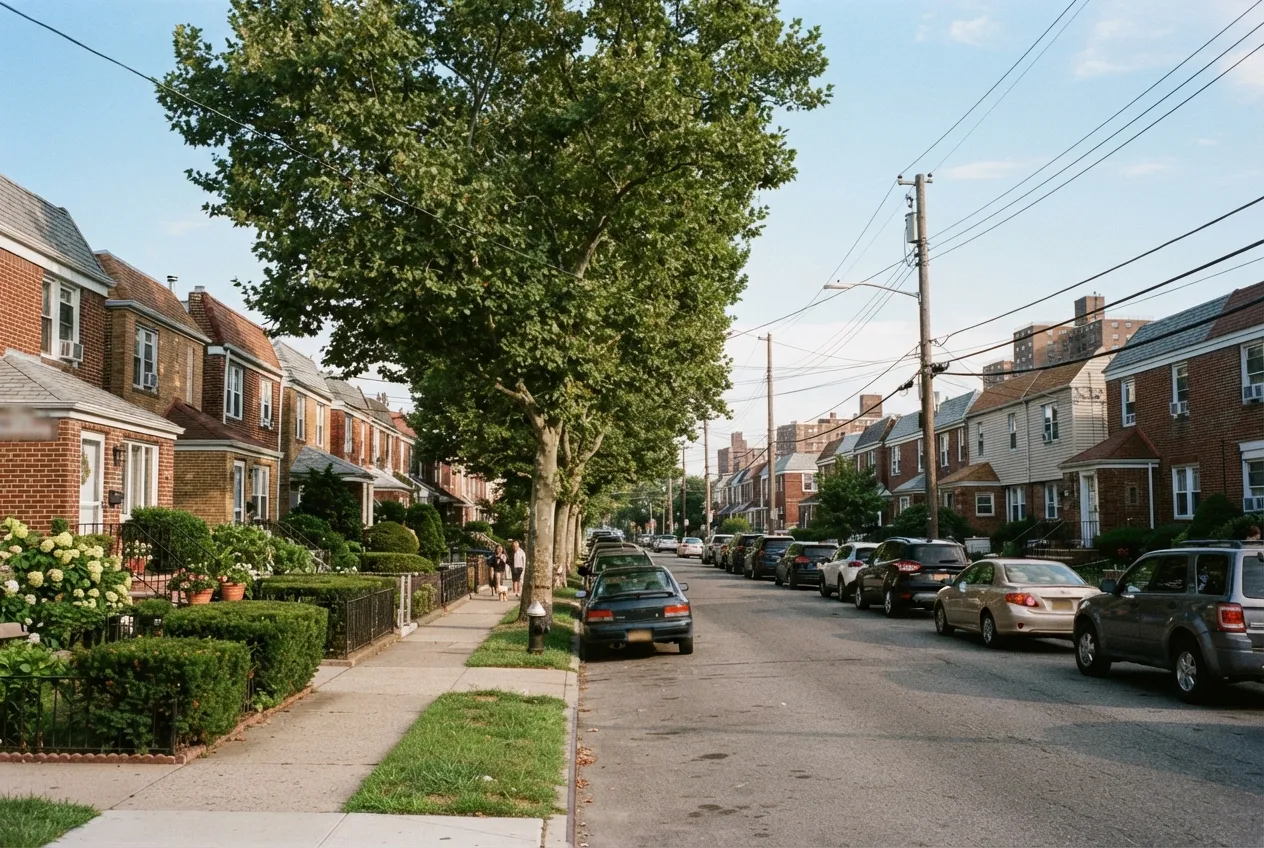
A chimney liner is the protective channel inside your chimney that carries smoke and exhaust gases up and out of the house. Marine Park has many attached brick rowhouses, semi-detached houses and detached one- and two-family homes. A lot of their chimneys still rely on original clay tile or bare masonry flues. When those flues crack, deteriorate or no longer match the appliance venting into them, a new liner is often the safest fix. EliteSweep Chimney Services installs chimney liners throughout the 11234 ZIP code, about a mile east of our office in Madison.
When a Marine Park Home Needs a New Liner
Most chimneys in older Brooklyn homes were built with clay tile flue liners or no liner at all. Over decades, heat cycles, moisture and acidic exhaust can crack tiles and wash out mortar joints. That leaves gaps where heat and gases can reach the surrounding brick and framing. You usually can't see this damage from inside the house, so a camera inspection is the starting point.
- Cracked, shifted or missing flue tiles found during an inspection
- Flaking brick, white staining or crumbling mortar on the chimney exterior
- Water or rust stains around the boiler or furnace connection
- A new boiler, water heater or furnace that vents through the chimney
- A switch from oil to gas heat
- Poor draft, smoke spillage or exhaust odors in the basement
Converting From Oil to Gas? Plan for the Chimney
Many Marine Park homeowners have moved from oil heat to gas. In New York City, the chimney has to be evaluated as part of an oil-to-gas boiler conversion, and a new liner is often needed. Gas exhaust produces acidic condensate that can corrode a masonry flue over time. An old clay or brick flue that served an oil burner for years may not hold up once it starts carrying gas exhaust.
We work with you and your heating contractor so the liner is sized and installed to match the new equipment. That way the chimney isn't treated as an afterthought once the boiler is already in place.
Matching the Liner to Your Appliance
A liner isn't one-size-fits-all. The correct diameter depends on the appliance's output, the height of the chimney and how many appliances share the flue. An oversized liner can leave exhaust too cool to draft properly, which encourages condensation. An undersized one can restrict flow and push exhaust back into the house.
For most gas and oil heating appliances in Marine Park homes, we install stainless steel liners. They hold up to acidic condensate and can be fed down existing flues, including ones with offsets. For wood-burning fireplaces and stoves, we explain which liner types suit the fuel and the fireplace opening before any work begins.
What Liner Installation Looks Like
A liner installation changes the venting system, so it starts with an inspection. The NFPA 211 standard calls for chimneys, fireplaces and vents to be inspected once a year. A Level 2 inspection is used when the system changes, such as a new appliance or a switch of fuel. If a hidden hazard can only be reached by opening part of the chimney or building, a Level 3 inspection may be needed.
- A certified technician inspects the flue, including a camera review of the interior
- We clean the flue and remove debris or broken tile that could block the new liner
- The liner is measured, run down the chimney and connected to the appliance
- A top plate, rain cap and any needed insulation are installed
- We check the connection and draft, then walk you through what we found and what we did
Timing Liner Work Around Heat Season
New York City's heat season runs from October 1 through May 31. If you own a two-family house and rent out a unit, you must keep that apartment heated to the city's minimum temperatures during those months. A boiler that can't run because of a failed flue becomes an urgent problem. Even in a single-family home, losing heat in January is no small thing.
Scheduling a liner inspection in late spring or summer gives you time to plan the work without pressure. Along with Marine Park, we serve nearby Mill Basin, Bergen Beach, Flatlands, Madison and Sheepshead Bay.
More services in Marine Park
- Chimney Sweep in Marine ParkLocal service & repairs
- Chimney Inspection in Marine ParkLocal service & repairs
- Chimney Repair in Marine ParkLocal service & repairs
- Air Duct Cleaning in Marine ParkLocal service & repairs