
The short answer
Flatlands homes most often need a new chimney liner when converting from oil to gas, replacing a boiler or water heater, or when an inspection finds a cracked or missing flue liner. We inspect the flue, size a liner to the appliance, and install it from the roof down, usually stainless steel.
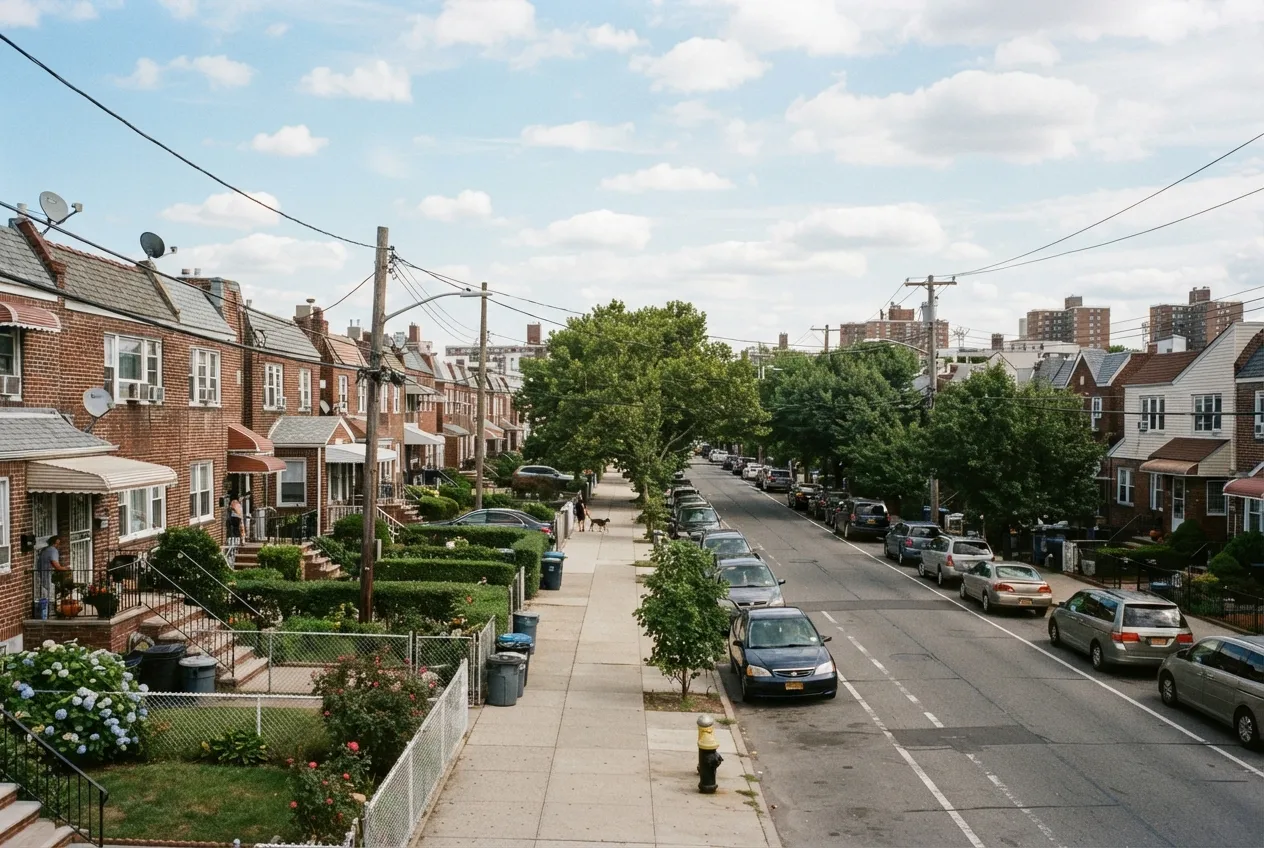
A chimney liner keeps hot exhaust, moisture and combustion byproducts inside the flue instead of letting them soak into brick and mortar. In Flatlands, where much of the housing is detached and semi-attached houses and rowhouses with original masonry chimneys, liners usually come up for three reasons: a boiler or water heater is being replaced, an inspection finds cracked clay tiles, or the owner is switching from oil to gas. EliteSweep Chimney Services installs chimney liners for homes in ZIP code 11210, working out of our office in Madison, about a mile to the south.
Why Flatlands Chimneys Need New Liners
Most older Brooklyn chimneys were built with clay tile flue liners, and some have no liner at all. Over decades, heating cycles, settling and moisture crack the tiles and wash out the mortar joints between them. Once that happens, exhaust can reach the surrounding brick. In an attached house that shares a wall with a neighbor, gaps in the flue give heat and gases a way to travel where they shouldn't.
We also see liners that no longer match the appliance. A new high-efficiency boiler or water heater often needs a smaller flue than the old equipment did. When a flue is too large, exhaust cools too quickly. That can weaken the draft and send condensation running down the inside of the chimney.
Oil-to-Gas Conversions in Flatlands Homes
Many Flatlands houses were heated with oil for years, and plenty of owners are now converting to gas. In New York City, the chimney has to be evaluated as part of an oil-to-gas boiler conversion, and a new liner is often needed. Gas exhaust produces acidic condensate. Over time that moisture can corrode an unlined or tile-lined masonry flue from the inside.
If you are planning a conversion, bring us in early, while your heating contractor is still choosing the new equipment. That way we can size the liner to the appliance's venting requirements and schedule the work so the boiler installation and the chimney work aren't waiting on each other.
How We Install a Chimney Liner
Every job starts with an inspection. Under the NFPA 211 standard, a change to the system, such as a new appliance or a switch in fuel, calls for a Level 2 inspection. That includes a camera look down the full length of the flue. It shows us the condition of the existing liner, any offsets or obstructions, and what size the new liner should be.
Our certified technicians cover floors and protect the work area inside your home. Most of the work happens on the roof and in the appliance room.
- Inspect the flue with a camera and confirm the appliance's venting requirements
- Clean the chimney so the new liner goes into a clear flue
- Remove broken tile or debris where needed to make room for the liner
- Lower the liner from the roof and connect it to the appliance at the base
- Install a top plate and rain cap to keep out water and animals
- Check the draft, then walk you through what we found and what we did
Choosing the Right Liner for Your Chimney
The right liner depends on what vents through the chimney and on the shape of the flue. We will explain which of these options fit your situation:
Some Flatlands chimneys have separate flues for a fireplace and a boiler. We evaluate each flue on its own and line it for the appliance it serves.
- Stainless steel liners: the most common choice for gas and oil boilers, water heaters and many wood-burning fireplaces. Flexible versions can follow mild bends in the flue.
- Aluminum liners: used only for certain gas appliances, and only where the manufacturer allows it.
- Cast-in-place liners: a poured lining that can reinforce a deteriorated masonry flue. Suited to some fireplace chimneys.
Scheduling Around Heat Season
New York City's heat season runs from October 1 through May 31. If you rent out part of your house, you must keep the heat on during that period, so any liner job that shuts down the boiler needs careful planning. Spring and summer are the easiest times to schedule. If a winter inspection turns up a failed liner, we plan the work to keep the boiler offline for as short a time as practical.
Besides Flatlands, we install chimney liners in nearby Marine Park, Mill Basin, Bergen Beach, Madison and Midwood.
More services in Flatlands
- Chimney Sweep in FlatlandsLocal service & repairs
- Chimney Inspection in FlatlandsLocal service & repairs
- Chimney Repair in FlatlandsLocal service & repairs
- Air Duct Cleaning in FlatlandsLocal service & repairs