
The short answer
Bensonhurst homes often need a new chimney liner when old clay tiles crack or when a boiler is converted from oil to gas, because gas exhaust creates acidic condensate that can corrode a masonry flue. EliteSweep inspects the flue, recommends a liner sized to your appliance, and installs it from our nearby Bay Ridge office.
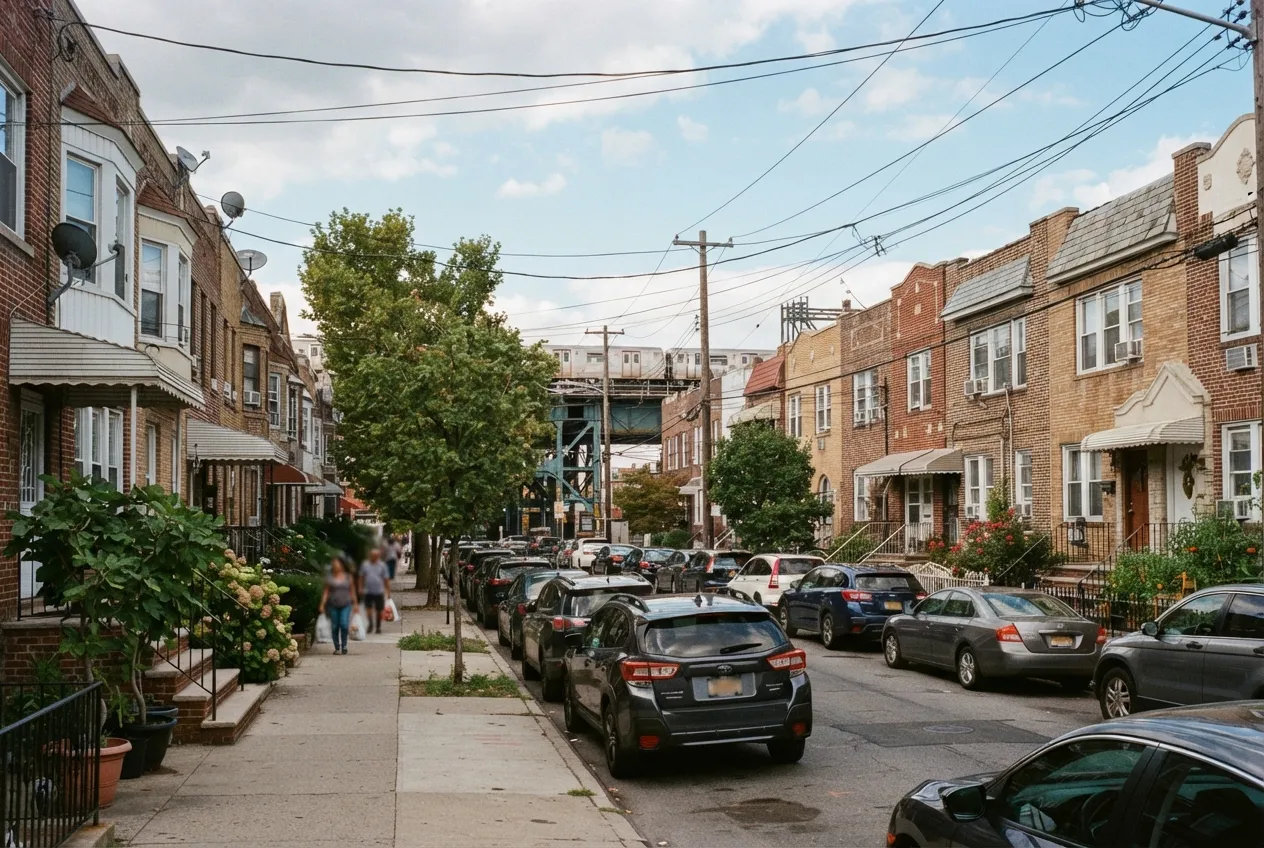
A chimney liner is the channel inside your flue that carries smoke and exhaust out of the house. It keeps heat and corrosive byproducts away from the surrounding brick and framing. In Bensonhurst, many homes are attached rowhouses, semi-detached houses, detached homes and pre-war apartment buildings with older masonry chimneys. Their liners can wear out or crack, or they may never have been designed for the appliance now connected to them. EliteSweep Chimney Services installs chimney liners for Bensonhurst homeowners and building owners from our Bay Ridge office, about 2 miles away.
Why Bensonhurst Chimneys Often Need a New Liner
Many older homes in Bensonhurst have chimneys lined with clay tile, and some have no liner at all. Over decades, heat can crack clay tiles, the joints between tiles can erode, and mortar can wash out. A damaged liner lets heat and exhaust reach the brick and any nearby wood. In attached homes, a shared or adjacent chimney wall can make that a concern for more than one household.
A fuel change is another common reason for a new liner. When a New York City building converts its boiler from oil to gas, the chimney has to be evaluated as part of the work, and a new liner is often needed. Gas exhaust produces acidic condensate, which can corrode a masonry flue that handled oil exhaust for years.
- Pieces of clay tile, flakes of masonry or crumbling mortar at the base of the flue or in the cleanout
- Water stains, white residue or damp spots on walls near the chimney
- A boiler, furnace or water heater that has been replaced or switched from oil to gas
- Smoke or odors coming into the room, or poor draft at the fireplace
- An inspection report noting cracked tiles, gaps or an unlined flue
How We Evaluate Your Flue Before Recommending a Liner
Liner work starts with an inspection. The NFPA 211 standard calls for chimneys, fireplaces and vents to be inspected once a year, and it uses three inspection levels. A Level 2 inspection applies when the system changes, such as a new appliance or a switch of fuel, or when a home is sold. That covers most liner projects. If a hidden problem can only be reached by opening part of the chimney or wall, a Level 3 inspection may be needed.
Our certified technicians check the flue size and its condition from top to bottom. They also check how the appliance connects to the flue and whether the chimney serves one appliance or several. Then we explain what we found and which liner options fit your chimney and appliance.
Liner Options for Bensonhurst Homes
The right liner depends on what the chimney serves and how it is built. Sizing matters as much as material. A modern high-efficiency appliance vented into an oversized flue can draft poorly and produce heavy condensation.
- Stainless steel liners: the most common choice for gas and oil boilers, furnaces and water heaters, and for many wood-burning fireplaces and stoves. Each liner is sized to the appliance and runs in one continuous piece from the connection to the top of the chimney.
- Insulated stainless steel liners: used when the flue needs to stay warm for proper draft, or when nearby combustible materials call for added protection.
- Cast-in-place liners: a masonry-based material formed inside the existing flue. This option can restore a deteriorated chimney when the structure is still sound.
- Clay tile relining: possible in some chimneys, but it usually requires more demolition, which makes it harder to justify in attached homes.
What Installation Day Looks Like
Most liner installations are done from the roof. The liner is fed down the existing flue and connected to the appliance at the base. On rowhouses and other attached homes, we plan roof access carefully and take care around shared walls and neighboring rooflines. Inside, we cover floors and work areas near the boiler, fireplace or cleanout.
Once the liner is in place, we seal the top with a cap and, where needed, a top plate. We connect the appliance and check the draft. Before we leave, we walk you through the finished work and explain what maintenance to expect.
Planning Liner Work Around Heat Season
New York City's heat season runs from October 1 through May 31. During that time, building owners must keep apartments heated to the city's minimum temperatures. If you own a multifamily building or a home with tenants, any liner project that takes the boiler offline needs careful scheduling. Scheduling the inspection and liner work in late spring or summer gives you more flexibility. We also handle liner replacements during the heating months when a problem can't wait.
Besides Bensonhurst, we serve nearby Bath Beach, Dyker Heights, Borough Park, Bay Ridge and Sunset Park.
More services in Bensonhurst
- Chimney Sweep in Bensonhurst
- Chimney Inspection in Bensonhurst
- Chimney Repair in Bensonhurst
- Air Duct Cleaning in Bensonhurst