
The short answer
If your Sunset Park chimney has a cracked or deteriorated flue, or you are converting a boiler from oil to gas, you will likely need a new chimney liner. Our certified technicians inspect the flue, size a liner to your appliance, and install it so exhaust vents safely before and during the heating season.
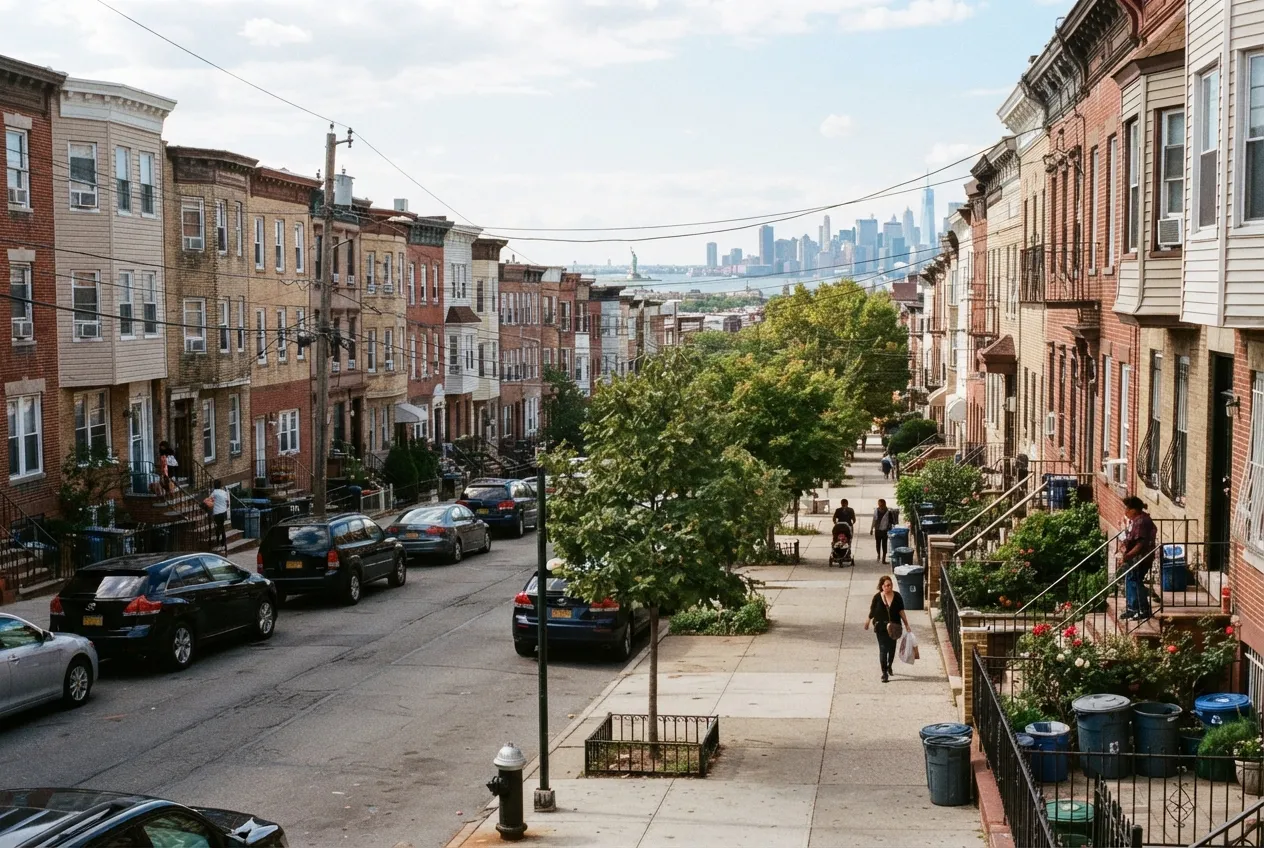
A chimney liner is the channel inside your chimney that carries smoke and exhaust up and out while shielding the surrounding brick from heat, moisture and corrosive gases. Many Sunset Park rowhouses, brownstones and pre-war apartment buildings have chimneys that were built long before today's boilers and water heaters were installed. Their original clay tile or unlined masonry flues can crack, shift or erode over time. EliteSweep Chimney Services installs new liners for homes and buildings in ZIP codes 11220 and 11232, working from our Bay Ridge office about 2 miles away.
Why Sunset Park Chimneys Often Need New Liners
Much of Sunset Park's housing is older masonry construction, and many chimneys were sized for coal or oil equipment that has since been replaced. When an old flue serves a newer, smaller or more efficient appliance, exhaust can cool too quickly on the way up. That can weaken draft and leave moisture inside the chimney, which wears down mortar and tile from the inside.
Fuel changes are the most common reason we install liners here. When a New York City building converts its boiler from oil to gas, the chimney has to be evaluated as part of the work. A new liner is often needed because gas exhaust produces acidic condensate that can corrode a masonry flue.
Signs Your Flue May Need a Liner
Some liner problems are only visible with a camera inspection, but these warning signs are worth a call:
- Pieces of tile, mortar or brick dust collecting at the base of the chimney or in the cleanout
- White staining, damp patches or peeling paint on walls next to the chimney
- A boiler, furnace or water heater that has trouble venting, or smells of exhaust in the basement
- Cracked or missing flue tiles found during a sweep or inspection
- A planned boiler replacement or switch from oil to gas
- An unlined chimney serving any fuel-burning appliance
Liner Options for Rowhouses, Brownstones and Apartment Buildings
Most liners we install in Sunset Park are stainless steel, either flexible or rigid. They can be fed down an existing masonry chimney, which matters on attached rowhouses where rebuilding a shared chimney from the outside is impractical. Where a flue has bends or offsets, a flexible liner can follow the path without removing walls.
The liner's diameter and material are matched to the appliance it serves, whether that is a gas boiler, an oil burner, a water heater or a wood-burning fireplace. A liner that is too large or too small can cause poor draft, so we size each one from the appliance specifications rather than from the old flue opening. Insulation is added where the chimney runs along a cold exterior wall.
How Our Installation Works
The NFPA 211 standard calls for chimneys, fireplaces and vents to be inspected once a year. It also calls for a deeper Level 2 inspection whenever the system changes, such as a new appliance or a switch of fuel, or when a home is sold. A liner job usually starts with that inspection.
- Inspect the flue with a camera and measure its height, width and any offsets
- Clean the chimney and remove loose debris or broken tile
- Install the liner and connect it to the appliance at the base
- Fit a top plate and rain cap to keep out water, animals and debris
- Check draft with the appliance running and walk you through what we did
Planning Around the Heating Season
New York City's heat season runs from October 1 through May 31. During those months, building owners must keep apartments heated to the city's minimum temperatures. If you own a multi-family building in Sunset Park, a boiler that can't vent safely is more than an inconvenience, so it helps to schedule liner work in late spring or summer. If a problem turns up mid-winter, we work to keep downtime short.
Besides Sunset Park, we install chimney liners in Borough Park, Dyker Heights, Bay Ridge, Bensonhurst and Bath Beach.
More services in Sunset Park
- Chimney Sweep in Sunset Park
- Chimney Inspection in Sunset Park
- Chimney Repair in Sunset Park
- Air Duct Cleaning in Sunset Park