
The short answer
A chimney liner is the protective channel inside your chimney that carries exhaust safely out of the house. Many Bay Ridge chimneys need a new one because of age, cracked clay tiles, or a switch from oil to gas heat. A certified technician inspects the flue first, then fits a liner sized to your appliance.
Many chimneys in Bay Ridge were built long before today's boilers, water heaters and fireplace inserts existed. Over decades, the clay tiles or bare brick inside these flues crack, shift and wear down, and the chimney can stop venting the way it should. EliteSweep Chimney Services installs new chimney liners for homes and buildings in Bay Ridge (11209) from our office at 7508 3rd Ave. We also work in Dyker Heights, Sunset Park, Bath Beach, Borough Park and Bensonhurst. This page explains when a liner is needed, what the work involves, and how to plan it around the heating season.
Why Bay Ridge Chimneys Often Need New Liners
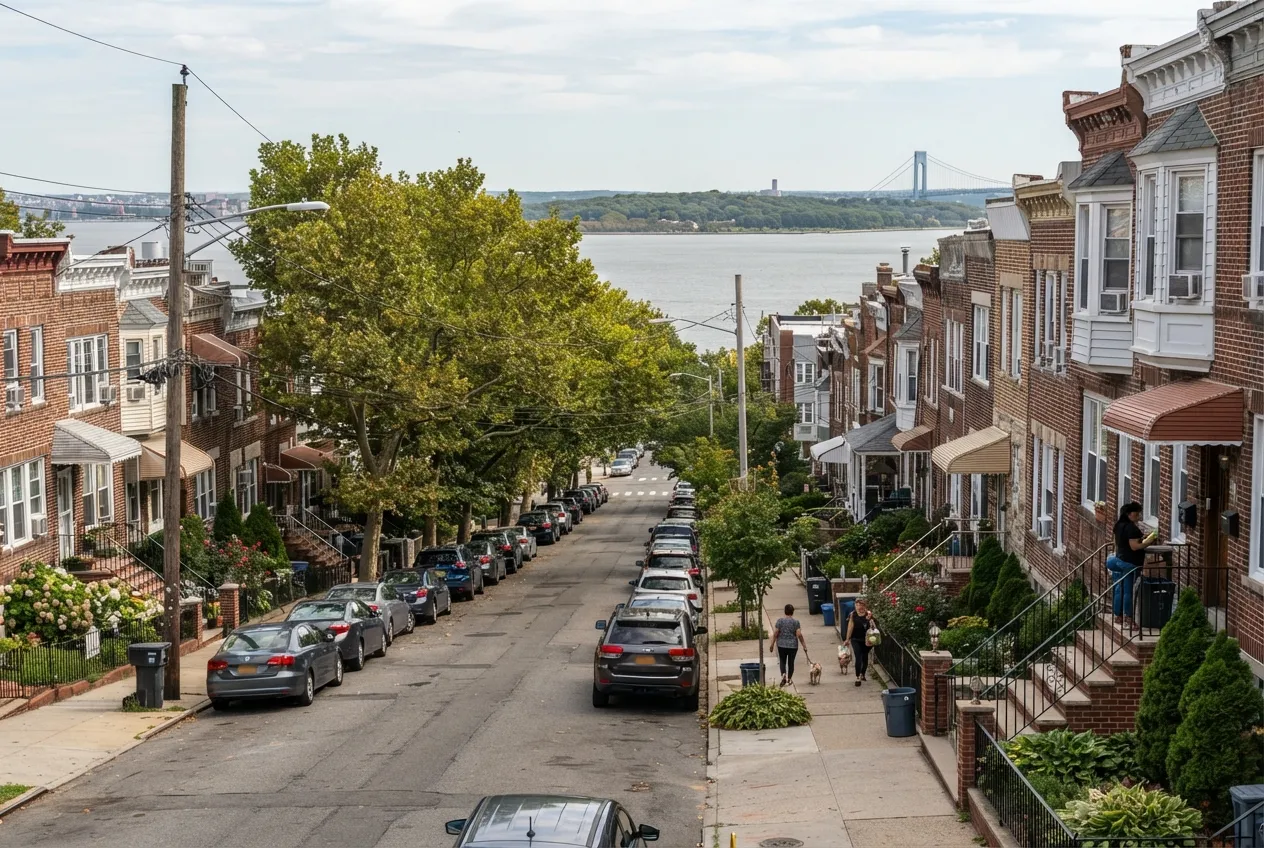
Bay Ridge has a mix of brick rowhouses, brownstones, detached homes and pre-war apartment buildings. Many of their chimneys were lined with clay tile or left as bare masonry. Both hold up for a long time, but freeze-thaw cycles, settling and years of heat and moisture eventually take a toll.
A damaged flue can let heat reach nearby wood framing. It can also let exhaust gases leak into walls or living space, or cause weak draft that pulls fumes back into the house. Many of these problems can't be seen from the roof or the basement. A camera inspection of the flue usually shows what is going on.
- Cracked, missing or offset clay tiles
- Crumbling mortar joints inside the flue
- Flakes of masonry or tile collecting at the base of the chimney
- Staining or dampness on walls next to the chimney
- A new boiler, furnace, water heater or insert being connected to an old flue
Oil-to-Gas Conversions and Your Chimney
Many Brooklyn buildings have moved their boilers from oil to gas. In New York City, the chimney has to be evaluated as part of that work. A new liner is often required because gas exhaust produces acidic condensate. Over time, that condensate can corrode a masonry flue that was designed for oil.
If you are planning a conversion or have already scheduled one, it helps to have the chimney looked at early. That way the liner can be sized and installed in step with the boiler work, and the project is less likely to be held up at the end.
Choosing the Right Liner
No single liner fits every chimney. The right choice depends on the appliance, the fuel and the shape of the flue. Sizing matters as much as the material. A liner that is too large or too small for the appliance can cause poor draft and condensation problems.
- Stainless steel liners, flexible or rigid, are a common choice for gas and oil boilers and water heaters
- Insulated liners help keep exhaust warm and can be required to meet clearance rules in some chimneys
- Liners for wood stoves and fireplace inserts are sized to the appliance outlet and connect directly to it
- Chimneys that serve more than one appliance may need separate flues or a specific liner layout
What Installation Involves
The NFPA 211 standard calls for chimneys to be inspected once a year. It also calls for a more detailed Level 2 inspection when something changes, such as a new appliance or a switch of fuel. Most liner jobs start with that kind of inspection. If a hidden problem can only be reached by opening part of the chimney or building, a Level 3 inspection may be needed.
- Camera inspection and measurement of the existing flue
- Cleaning and removing loose debris or broken tile
- Lowering and securing the liner from the top of the chimney
- Connecting the liner to the appliance and sealing the connection
- Installing a top plate and cap to keep out rain and animals
- Checking draft once the appliance is running
Planning Around the Heat Season
New York City's heat season runs from October 1 through May 31. During that time, building owners must keep apartments heated to the city's minimum temperatures. If you own a multi-family building in Bay Ridge, a boiler that is down for liner work during those months affects your tenants.
For that reason, late spring and summer are usually the easiest times to replace a liner. If a problem turns up mid-winter, we will explain your options and help you plan the work to keep downtime short.
More services in Bay Ridge
- Chimney Sweep in Bay Ridge
- Chimney Inspection in Bay Ridge
- Chimney Repair in Bay Ridge
- Air Duct Cleaning in Bay Ridge